

Here’s a question worth sitting with: if your brand disappeared tomorrow, would your audience feel it… or would they just find an alternative?
The brands that inspire genuine loyalty don’t just have better products. They have clearer identities. And that clarity almost always starts in the same place: a well-defined brand archetype.
The brands that get this right share a few things in common:
- A single, clearly defined archetype that informs every creative decision
- A brand identity consistent enough that audiences recognize it before they read a word of copy
- A brand narrative that's emotionally resonant enough to turn first-time buyers into long-term loyalists
- A strategy built around what their audience actually wants to feel, not just what the product does
In this guide, I’ll break down what a brand archetype actually is, how the brand archetypes wheel works, and how to define, apply, and distribute your own — with real examples from the freshest brands who are doing it right, including Poppi, Rhode, Fishwife, and Touchland.
Let’s dive in.
Table of Contents:
- What is a brand archetype?
- Why should you use brand archetypes?
- The brand archetypes wheel
- How to define your brand archetype
- When you define your brand archetype, you clarify your brand journey
What is a brand archetype?
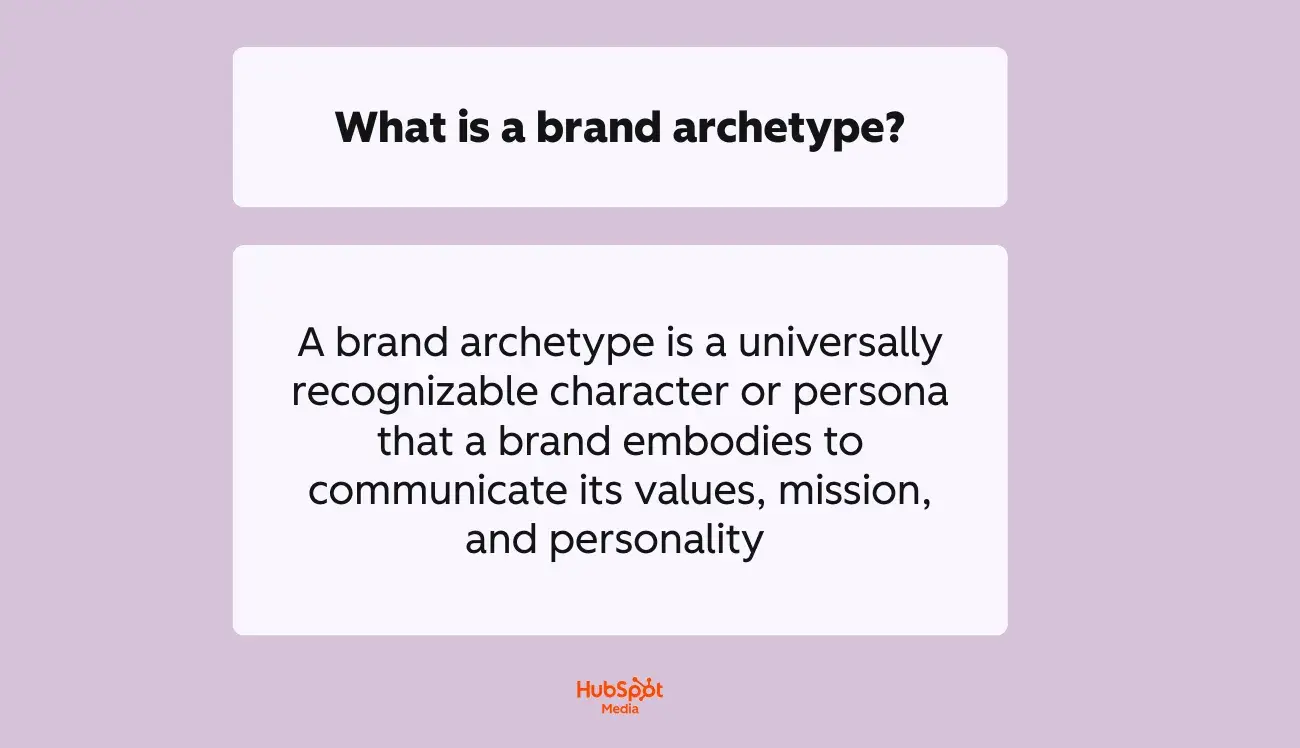
A brand archetype is a universally recognizable character or persona that a brand embodies to communicate its:
- Values
- Mission
- Personality
Rooted in Carl Jung’s psychology, brand archetypes tap into shared human experiences and desires that transcend culture, language, and geography.
Brand archetypes: Carl Jung’s foundation
Swiss psychiatrist Carl Jung theorized that the human psyche contains a “collective unconscious,” a layer of the mind shared across all people, populated by universal symbols and characters he called archetypes.
These characters appear repeatedly across mythology, religion, storytelling, and literature because they reflect fundamental human needs and motivations.
From there, marketers adapted Jung’s 12 core archetypes to branding in the early 2000s, most notably through Carol Pearson and Margaret Mark’s framework in The Hero and the Outlaw (2001).
So, what was the result of folks adapting Jung’s psychological framework to modern brand strategy? A structured way to give brands a consistent, emotionally resonant identity.
Brand archetypes vs. buyer personas
As a marketer, I know you’ve likely worked with buyer personas more than with brand archetypes. However, these two frameworks serve different purposes and should not be conflated.
Here’s the difference between the two:
Free Brand Building Guide
A comprehensive guide to effectively define, launch, scale, and monitor your brand.
- Understanding brands today.
- Incorporating brand in marketing.
- Creating brand strategy.
- Measuring brand impact.
Download Free
All fields are required.
Form not available
You're all set!
Click this link to access this resource at any time.
- A buyer persona defines who your customer is (i.e., their demographics, job title, pain points, and goals).
- A brand archetype defines who your brand is (i.e., its personality, tone, and emotional positioning).
In practice, your brand archetype informs how you speak to every buyer persona across every channel.
Why brand archetypes work
If you don’t think a brand archetype would work for your business, allow me to (politely) contest that pre-conceived notion.
Brand archetypes are effective because they bypass rational decision-making and connect directly with emotional memory.
When a brand consistently embodies one archetype, audiences recognize it instinctively, even across different campaigns, formats, and platforms. This consistency builds trust, which drives purchase decisions and long-term loyalty.
Let’s take a look at the few key benefits of defining your brand archetype include:
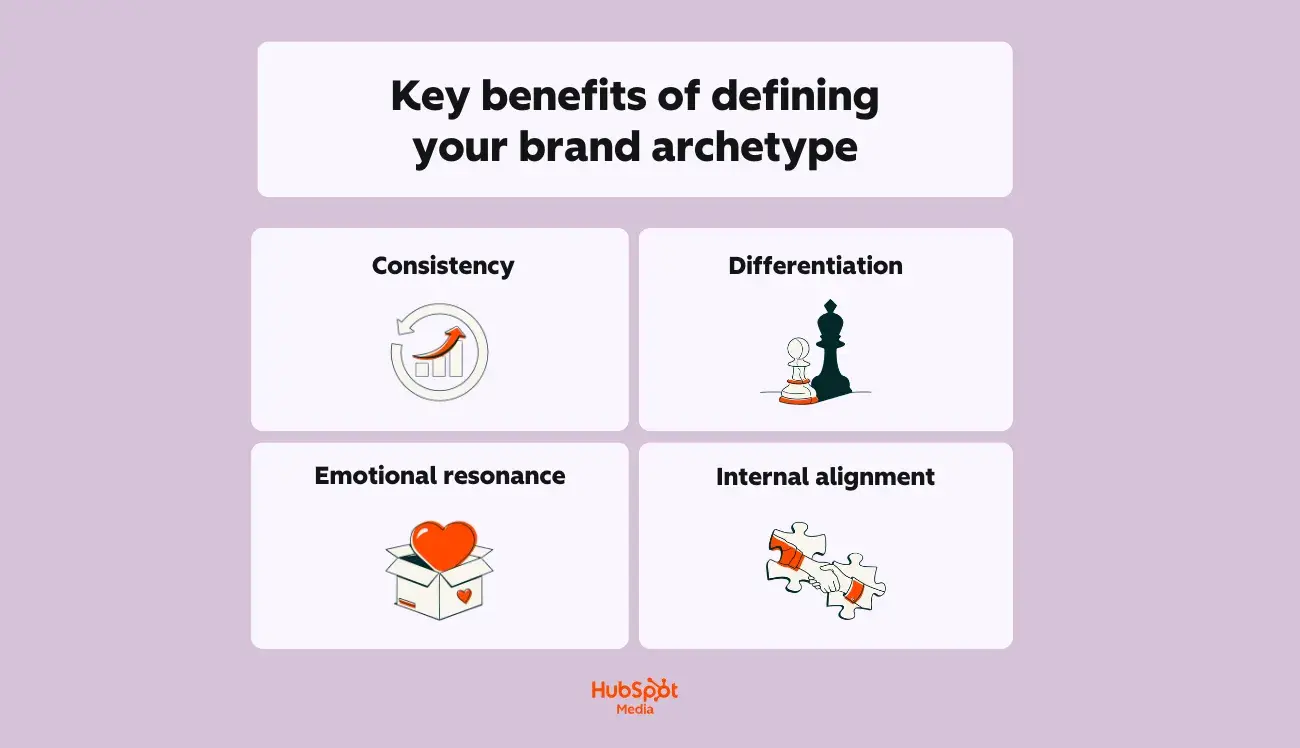
- Consistency: Unified voice across all content, from ad copy to customer support
- Differentiation: A distinct personality that competitors can't easily copy
- Emotional resonance: Messaging that connects with intrinsic human motivations rather than product features alone
- Internal alignment: A shared framework for marketing, creative, and brand teams
Next, let’s talk through what these brand archetypes are actually called, and why they’re classified as such.
The 12 brand archetypes and what drives them
As I mentioned earlier, each of the 12 brand archetypes corresponds to a core human desire.
To save you some time that you’d probably spend Googling “what are the 12 brand archetypes,” I’ve outlined them below for your convenience:
- The Hero: Mastery and achievement (i.e., Nike)
- The Caregiver: Service and protection (i.e., Johnson & Johnson)
- The Outlaw: Liberation and disruption (i.e., Harley-Davidson)
- The Creator: Innovation and self-expression (i.e., Adobe)
- The Sage: Knowledge and truth (i.e., Claude)
- The Innocent: Simplicity and optimism (i.e., Dove)
- The Explorer: Freedom and discovery (i.e., Patagonia)
- The Ruler: Control and prestige (i.e., Rolex)
- The Lover: Intimacy and desire (i.e., Armani)
- The Jester: Joy and humor (i.e., Old Spice)
- The Everyman: Belonging and relatability (i.e., IKEA)
- The Magician: Transformation and wonder (i.e., Disney)
I won’t go into too much detail about these archetypes now, but don’t worry, I will later. Before we get to the good stuff, I need to explain why brand archetypes are important.
Why should you use brand archetypes?
So, why should you use brand archetypes? They're helpful for all brands, regardless of size and success.
For emerging companies, a brand archetype can:
Free Brand Building Guide
A comprehensive guide to effectively define, launch, scale, and monitor your brand.
- Understanding brands today.
- Incorporating brand in marketing.
- Creating brand strategy.
- Measuring brand impact.
Download Free
All fields are required.
Form not available
You're all set!
Click this link to access this resource at any time.
- Mold your brand perception. Because an archetype is tied to a theme, it’s way easier for consumers to wrap their heads around.
- Bridge gaps and create an emotional tie between you and your audience. When customers recognize your archetype, they don’t just understand your brand, they see themselves in it.
- Accelerate trust-building. A clearly defined archetype signals consistency, and consistency is what converts first-time buyers into long-term loyalists.
If you’re not totally sold on my brand-archetypes-are-kind-of-essential-right-now schtick, new data from might change your mind.
According to , 61% of marketers agree that defining your brand POV and taste as a competitive differentiator is more important than ever, especially if you plan to leverage AI technology to its fullest potential.
But still, numbers only tell part of the story, so to see archetype-driven strategy in action, take a look at the list of brands below that demonstrate what becomes possible when archetype-driven positioning is applied with discipline and consistency:
1.
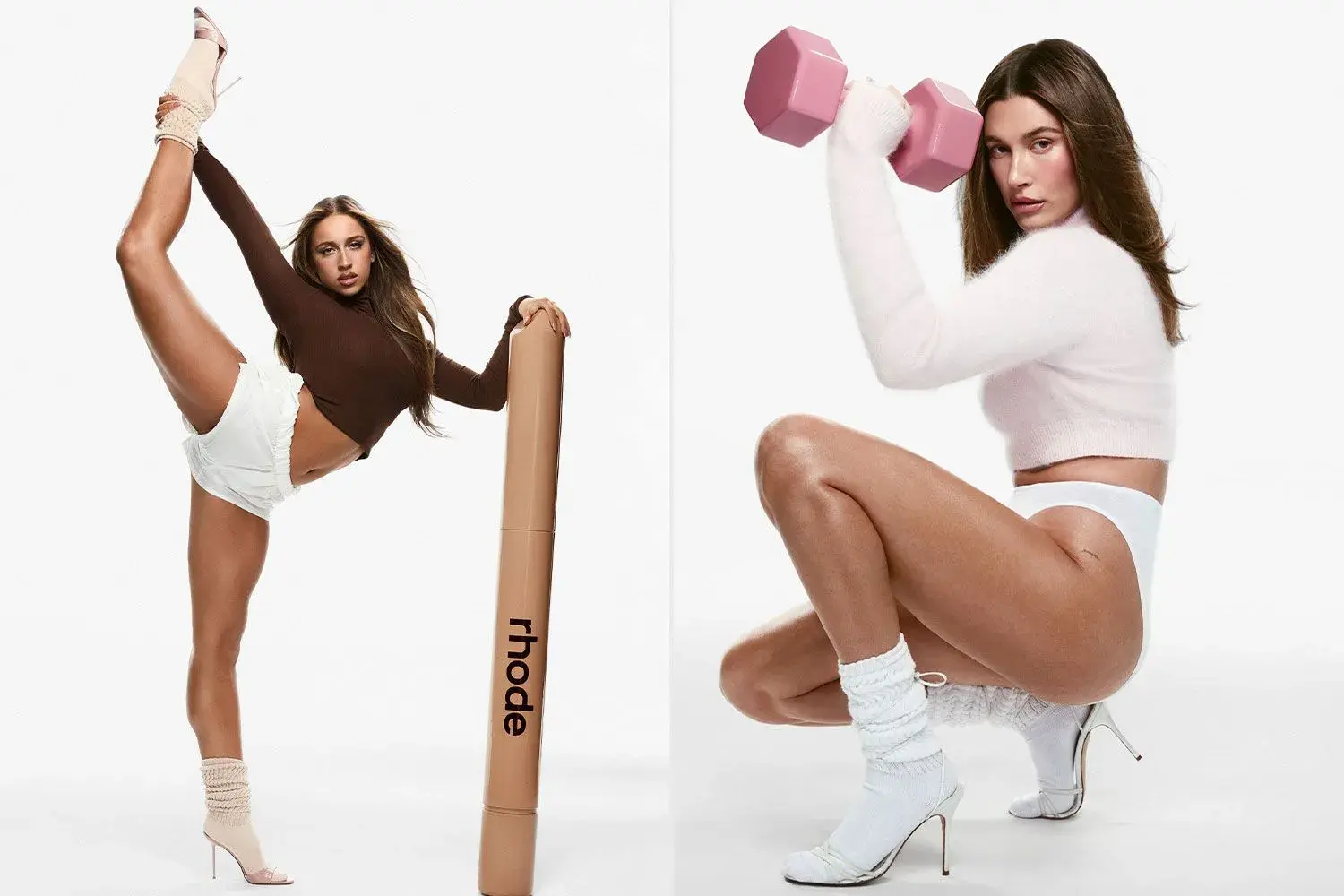
In my (Gen Z marketing expert) opinion, Hailey Bieber’s brand, , is a picture-perfect example of the “Lover” archetype (intimate, sensorial, and aspiration-adjacent).
With carefully curated aesthetic and celebrity-native brand identity, Rhode’s Lover archetype allows Bieber’s best-selling skincare brand to command premium prices in a skincare market saturated with lower-cost, ingredient-equivalent alternatives.
Here’s how the Lover archetype has positioned Rhode to win big in the beauty and skincare space:
- Rhode’s Peptide Lip Treatment retails for $16. This price point significantly above mass-market alternatives, but it’s sustained almost entirely by brand identity and aesthetic desirability rather than ingredient exclusivity
- Rhode’s customers aren’t just buying skincare. The brand’s “phone case with lip balm pocket” product extension sold out within minutes of launch, demonstrating that customers are buying into the archetype, not just the SKU.
- Rhode’s waitlist model and controlled product releases. Rhode’s scarcity strategy mirrors luxury brand mechanics, creating demand through scarcity; this is a classic Lover archetype strategy (think Chanel, La Mer) that frames the product as something to be coveted, not just purchased.
The throughline? The Lover archetype reframes a product as an object of desire, which shifts the pricing conversation entirely.
2.
If you haven’t studied brand archetype journey, what (the hell!) have you been doing?
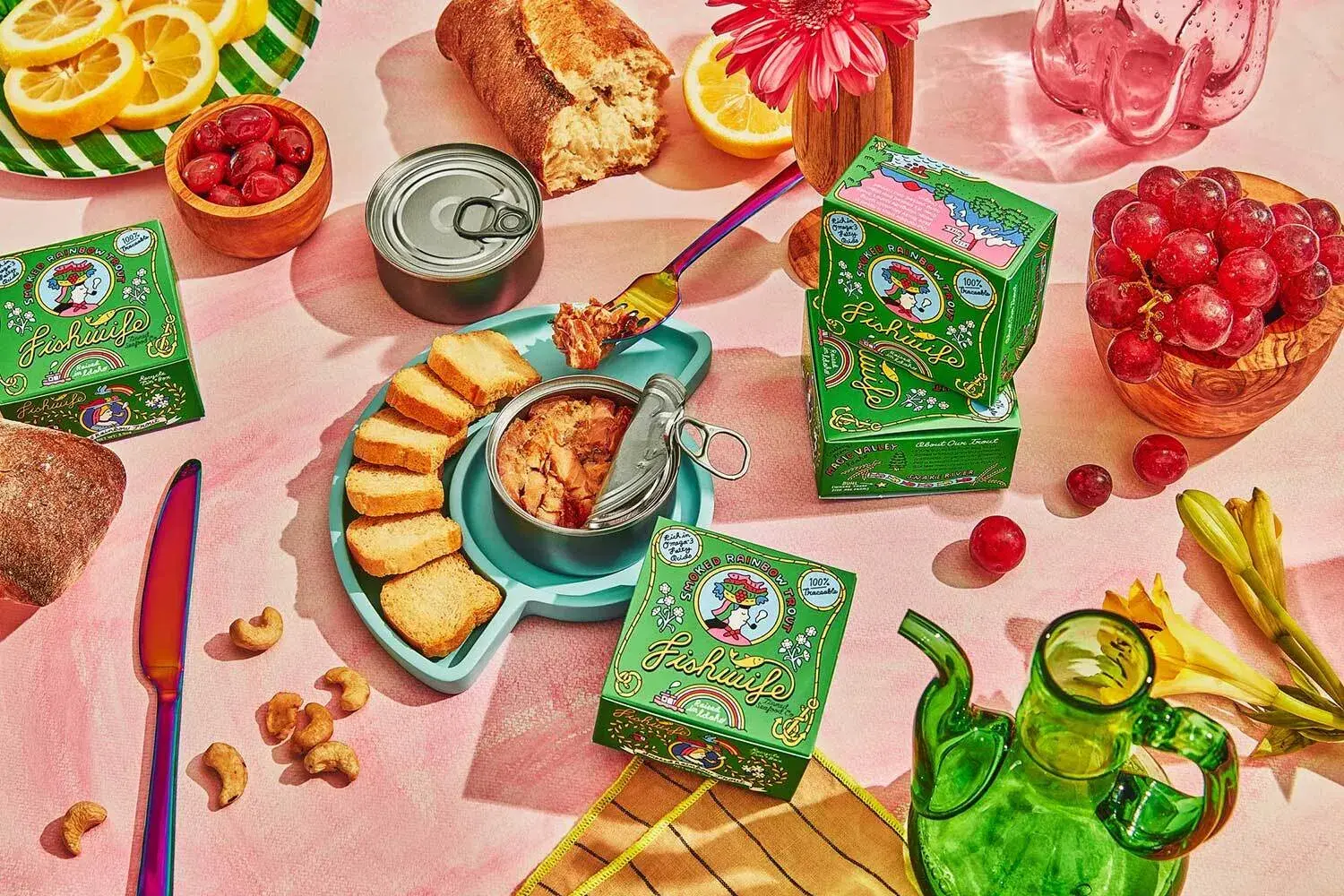
贵颈蝉丑飞颈蹿别’蝉 “Creator” archetype (expressive, design-led, and culturally referential) has made it one of the most visually recognizable brands in the better-for-you food space, despite operating in the historically unglamorous tinned fish category.
Here’s a breakdown of how Fishwife effectively broke through expectations of the CPG space, all by leaning on its Creator archetype:
- 贵颈蝉丑飞颈蹿别’蝉 bold, maximalist packaging and collaborations. Fishwife ain’t your average pantry staple; by partnering with artists and cultural figures have earned it consistent editorial coverage in publications including , , and .
- Fishwife treats social media like a portfolio, not a product catalog. The brand’s Instagram presence reads more like a curated art account than a typical B2C feed, making it instantly identifiable in a crowded social feed.
- Fishwife redesigned a category’s cultural status. By establishing a bold visual identity in a lackluster category, Fishwife built recognition that extends well beyond its category, and customers who have never purchased tinned fish know the brand from its distinctive packaging.
The throughline? A Creator archetype turns product and content into a recognizable visual language, one that works as hard as any ad campaign.
3.
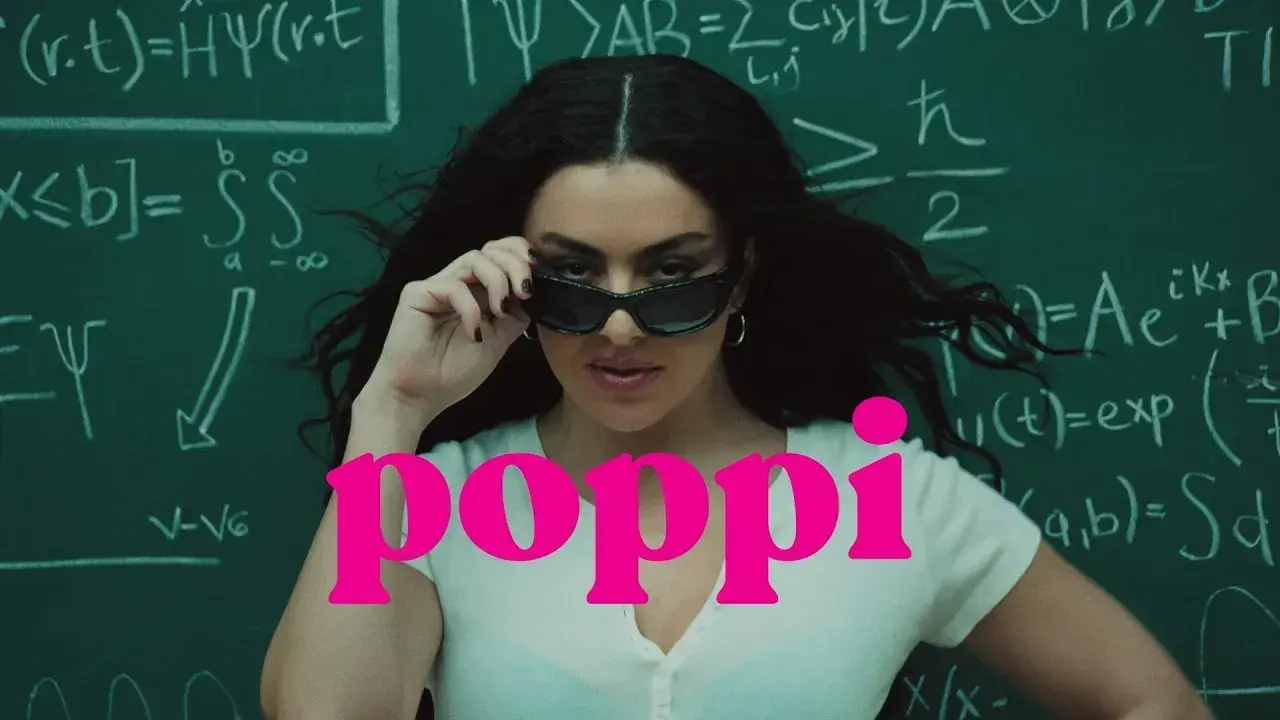
Everyone (yes, everyone, dear reader) knows , and there’s a reason for that. That reason? Its “Everyman” brand archetype.
Poppi’s Everyman archetype (accessible, optimistic, and culturally fluent) has built a fiercely loyal Gen Z following by making gut health feel fun rather than clinical.
Here’s how the viral prebiotic soda brand achieved far-reaching success, all by leveraging “Everyman” energy:
- Poppi’s DTC and social-first strategy. into a cultural moment, amassing over 500,000 Instagram followers and a highly engaged TikTok community.
- The brand’s limited-edition flavor drops and influencer seeding program. By consistently generating waitlists and sellouts through their native site, Poppi demonstrated a loyalty signal more associated with streetwear than CPG.
- In 2025, . This unforeseen parent-company acquisition represents a direct valuation of brand equity built almost entirely on archetype-consistent identity, not product differentiation alone
The throughline? The Everyman archetype turns a functional product into a lifestyle signal, and lifestyle signals create repeat customers.
4.
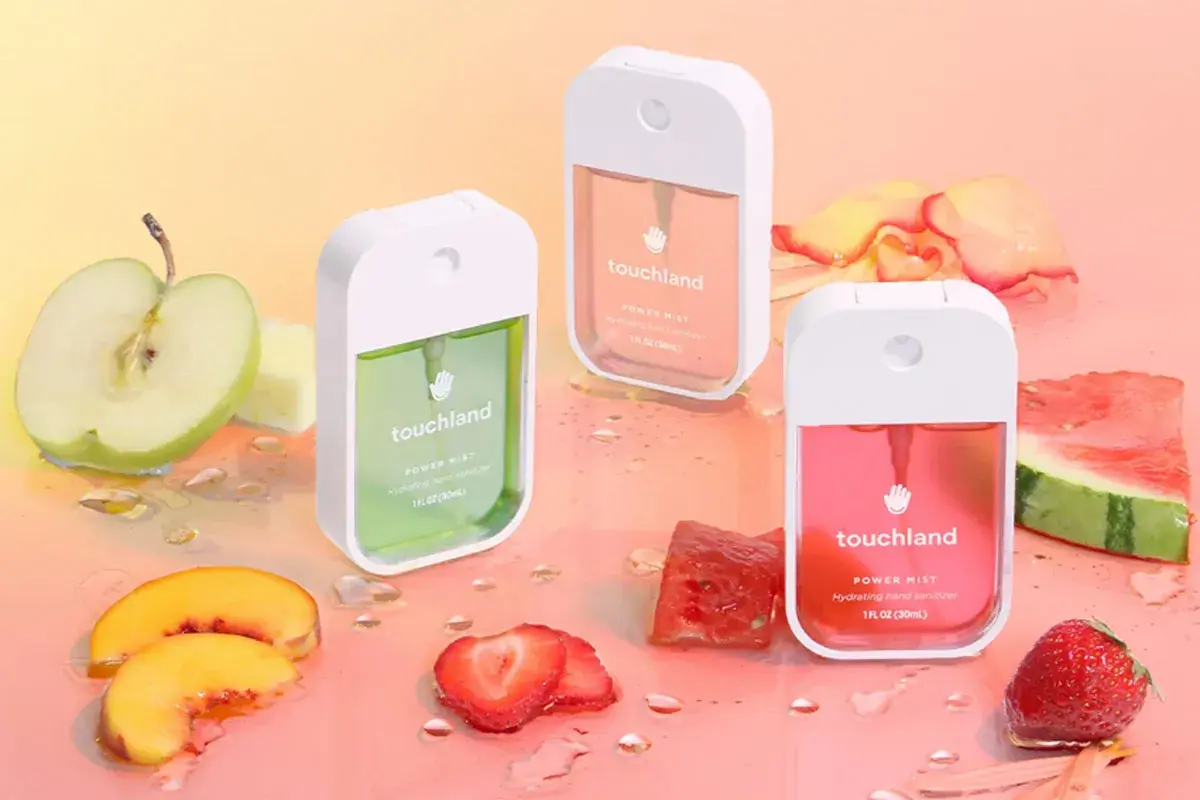
Who knew that hand sanitizer could become goated when wielding the power of brand archetypes?
Touchland’s “Magician” archetype (sensorial, transformative, and unexpectedly luxurious) took a category historically defined by utility and turned it into a beauty and lifestyle object, almost entirely through archetype-consistent brand world-building.
Here’s a closer look at how they did it by leaning into the power of brand archetypes:
- Touchland’s Power Mist hand sanitizer became a cult product by reframing a hygiene essential as a sensory ritual. With fine fragrance-inspired scents, a sleek form factor, and an ASMR-worthy mist that made the act of sanitizing feel indulgent.
- The brand’s TikTok presence leaned fully into sensory content. Mist clouds, satisfying spritz sounds, and aesthetic flat lays. This archetype-aligned content strategy generated millions of organic views, turning a $10 hand sanitizer into a status accessory.
- Touchland has expanded into retail partnerships with Sephora, Nordstrom, and Ulta. This intentional distribution alignment that signals luxury positioning and exposes the brand to beauty consumers who have never thought twice about hand sanitizer.
The throughline? A strong brand archetype, no matter which one it is, gives your brand a position in culture, not just a position in market.
Now that I’ve made the case for brand archetypes with real-world examples, let’s explore the brand archetypes wheel in more detail.
Pro Tip: To identify your brand archetype using AI, recommends providing Company name and URL, target audience description, primary competitor URLs, and industry/category to your chosen AI tool. (This step is the “Express” stage of HubSpot’s newly-coined marketing methodology, .)
The brand archetypes wheel
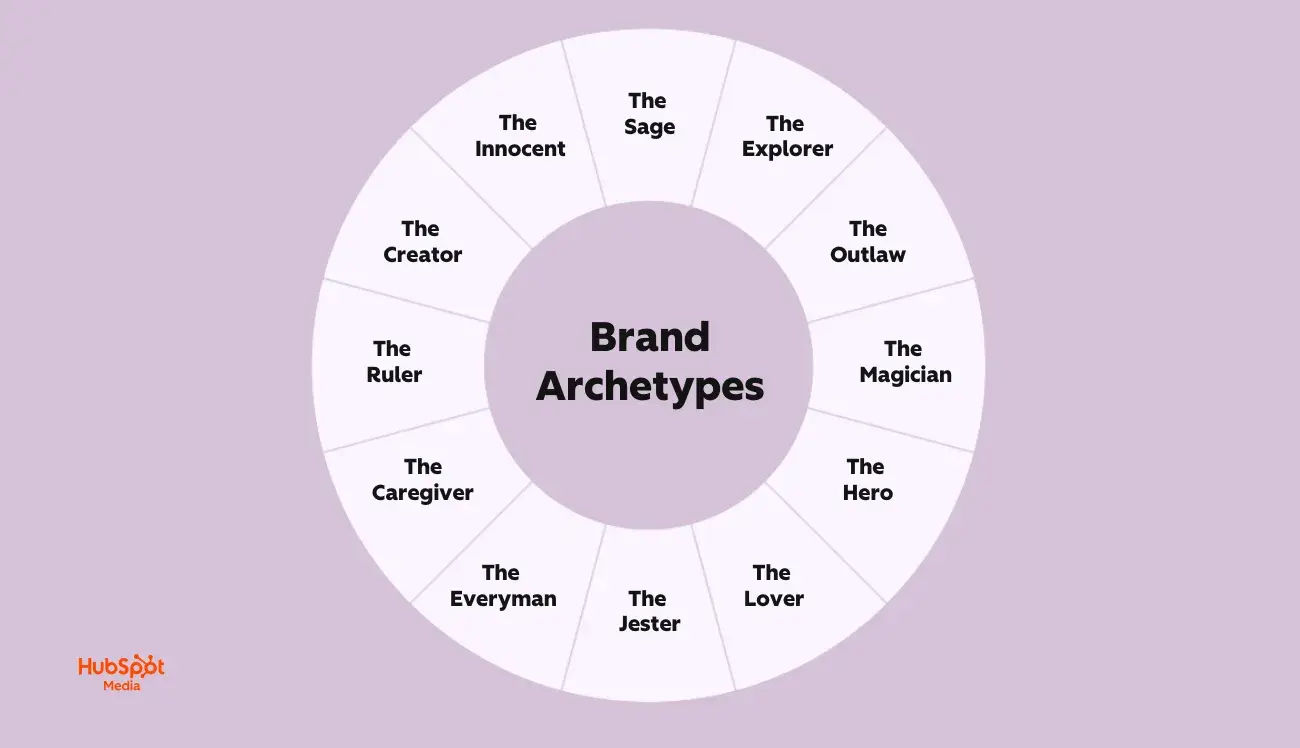
The brand archetypes wheel is a visual framework that organizes all 12 archetypes into four quadrants, each anchored by a core human drive:
- Belonging: Everyman, Lover, Jester
- Mastery: Hero, Outlaw, Magician
- Stability: Caregiver, Ruler, Creator
- Independence: Innocent, Sage, Explorer
Basically, each archetype occupies a distinct position on the wheel based on its motivational energy.
The closer two archetypes sit on the wheel, the more their brand personalities overlap, which is why brands sometimes blend adjacent archetypes (i.e., Sage + Explorer, or Caregiver + Innocent) without losing coherence.
The further apart two archetypes sit, the more tension exists between them.
This is why knowing your position on the wheel is non-negotiable. Understanding where your brand lands on the wheel helps define not just your tone and messaging, but your customer’s emotional expectations, and what happens when you fail to meet them.
The 12 brand archetypes wheel with examples (at a glance)
Here's a quick-reference table to help you identify where your brand belongs and what it’s up against:
The 12 brand archetypes (with examples)
1. The Hero
Core desire: Mastery, courage, and the will to overcome.
Brand message: “We can make you stronger, better, and capable of achieving the extraordinary.”
Customer fear: Weakness, failure, and lack of impact
Audience connection: Hero brands attract achievement-oriented customers who see purchases as investments in their own potential. They respond to challenge-framing, aspirational storytelling, and proof of transformation.
The Hero brand examples:
- Gymshark: Gymshark built its entire brand around the transformation narrative (i.e., before/after, personal records, and athlete-as-every person storytelling that makes fitness achievement feel universally attainable), establishing itself as the go-to brand for anyone who sees the gym not as a hobby, but as a identity.
- Liquid I.V.: Liquid I.V. positions hydration as a performance unlock rather than a basic need, framing every product as the tool that gets you to the next level faster (i.e., “Hydrate Better” — a tagline that reframes a commodity as a competitive advantage).
2. The Caregiver
Core desire: To protect, nurture, and serve others.
Brand message: “We put your wellbeing — and the wellbeing of those you love — first.”
Customer fear: Vulnerability, harm coming to those they care for, and being let down by the brands they trust.
Audience connection: Caregiver brands build deep loyalty among customers motivated by responsibility and compassion (i.e., parents, healthcare workers, and community-oriented consumers). Warmth, safety, and reliability are non-negotiables.
The Caregiver brand examples:
- Johnson & Johnson: Johnson & Johnson’s decades of messaging centered on baby care and family health make it one of the most recognizable Caregiver brands globally (i.e., its leads with emotional protection, not product ingredients).
- Bobbie: Bobbie is the first first infant formula brand built explicitly around parental trust and transparency. It disrupted a category long dominated by clinical detachment by leading with ingredient honesty and a parent-first community (i.e., its “Fed is Best” positioning reframes feeding choices as acts of care, not competition).
3. The Outlaw
Core desire: Revolution, liberation, and the rejection of the status quo.
Brand message: “Rules are made to be broken. We’re built for those who refuse to conform.”
Customer fear: Powerlessness, being controlled, and blending into the crowd.
Audience connection: Outlaw brands attract countercultural consumers who use purchasing decisions as acts of self-definition. They respond to provocation, authenticity, and brands that take a clear stance, even at the risk of alienating others.
The Outlaw brand examples:
- Liquid Death: Liquid Death turns canned water into a cultural rebellion by borrowing the visual language of heavy metal and extreme sports, proving that how you frame a product matters infinitely more than what the product actually is (i.e., “Murder Your Thirst” as a tagline for water is the Outlaw archetype taken to its logical extreme).
- Ben and Jerry’s: Ben and Jerry’s consistently affirms its Outlaw identity not through aesthetics but through activism, consistently taking polarizing stances on social and political issues that most food brands would never touch (i.e., limited-edition flavors named after social causes — from “Change is Brewing” to “Change the Whirled” — using the product itself as a protest placard).
4. The Creator
Core desire: To build something meaningful, original, and lasting.
Brand message: “We give you the tools to bring your vision to life.”
Customer fear: Mediocrity, creative stagnation, and producing work that doesn’t reflect who you really are.
Audience connection: Creator brands resonate with makers, designers, entrepreneurs, and anyone who sees their work as an extension of their identity. They value tools that expand capability without imposing creative constraints.
The Creator brand examples:
- Fishwife: As I’ve previously mentioned, Fishwife transforms a historically unglamorous product category into a canvas for artistic expression. Plus, its partnerships with independent artists and cultural figures to produce packaging that functions more like collectible design objects than CPG labels.
- Canva: Canva democratizes the Creator archetype by removing the technical barrier between an idea and its execution, giving non-designers access to professional-grade creative tools without the learning curve (i.e., its “What will you design today?” brand voice positions every user as a creator by default, not by training).
5. The Sage
Core desire: To find truth, share knowledge, and make sense of the world.
Brand message: “We give you the information you need to make better decisions.”
Customer fear: Being misinformed, manipulated, or left in the dark.
Audience connection: Sage brands attract intellectually curious, research-driven consumers who distrust hype and reward credibility. They respond to data, expertise, transparency, and brands that treat them as intelligent adults.
The Sage brand examples:
- Notion: Notion positions itself as the thinking infrastructure for curious, systems-oriented minds, building a product and content ecosystem that treats knowledge organization as a discipline worth mastering (i.e., its template library and community-contributed playbooks frame the brand as a repository of collective intelligence, not just a productivity app).
- Claude: Claude embodies the Sage archetype by prioritizing accuracy, nuance, and intellectual honesty over speed or surface-level answers. This approach positions the LLM as an AI built for people who actually want to think (i.e., its emphasis on careful reasoning and transparency directly addresses the Sage’s core customer fear: being misled).
6. The Innocent
Core desire: Simplicity, goodness, and a return to what truly matters.
Brand message: “Life doesn’t have to be complicated. We keep things honest, pure, and good.”
Customer fear: Corruption, toxicity, and a world that’s become too complex or cynical to navigate.
Audience connection: Innocent brands appeal to consumers seeking reassurance, simplicity, and authenticity. They perform especially well in categories where trust and purity are purchase drivers (i.e., personal care, food, and family products).
The Innocent brand examples:
- Dove: Dove leads with The Innocent archetype by consistently championing natural beauty and self-acceptance over industry-standard idealization, making authenticity the product as much as the soap.
- Aveeno: Aveeno expresses The Innocent archetype through its “Active Naturals” positioning, using oat-based formulations and understated packaging to signal purity and simplicity in a skincare market crowded with clinical complexity.
7. The Explorer
Core desire: Freedom, discovery, and the experience of living fully.
Brand message: “The world is vast. We’ll help you explore it on your own terms.”
Customer fear: Feeling trapped, settling for less, and living an inauthentic life.
Audience connection: Explorer brands attract self-directed, experience-driven consumers who resist conformity and prioritize adventure (physical or intellectual) over status or security.
The Explorer brand examples:
- Patagonia: Patagonia extends The Explorer archetype beyond outdoor gear into environmental activism and anti-consumerism, thus further affirming the brand as a philosophical stance on how to live, not just a product line.
- REI: REI operationalizes The Explorer archetype through its co-op model and cultural programming, making the act of membership itself feel like joining a community of people who prioritize experience over accumulation.
8. The Ruler
Core desire: Control, order, and the establishment of lasting legacy.
Brand message: “You’ve earned the best. We exist for those who refuse to compromise.”
Customer fear: Chaos, loss of status, and irrelevance.
Audience connection: Ruler brands attract success-oriented consumers who use premium purchases to signal achievement and reinforce identity. They respond to exclusivity, precision, heritage, and the implicit promise that the brand will never cheapen itself.
The Ruler brand examples:
- Rolex: Rolex ensures that its commitment to precision engineering is communicated through scarcity, sponsorship of elite events, and unwavering price discipline. Also, its legacy as a multigenerational status brand has maintained a cultural authority that can’t be replicated.
- Mercedes-Benz: Mercedes-Benz’s tagline, “The Best or Nothing”, is a Ruler brand statement in five simple words. This signals to success-oriented consumers that compromise isn’t in the brand’s vocabulary, and never will be.
9. The Lover
Core desire: Intimacy, beauty, sensory pleasure, and deep human connection.
Brand message: “Life is meant to be savored. We make the moments that matter more beautiful.”
Customer fear: Being unwanted, unnoticed, or emotionally disconnected.
Audience connection: Lover brands attract emotionally expressive, aesthetically attuned consumers who experience brands as extensions of their personal identity and romantic self-image. They respond to beauty, desire, sensory detail, and aspiration.
The Lover brand examples:
- Victoria’s Secret (VS): VS confidently positions intimate apparel as aspiration and fantasy, not just product utility (i.e., its Angels campaign and runway show format elevated lingerie into a desire-driven spectacle, making the brand synonymous with the Lover archetype’s core promise: that beauty is something to be performed, not just worn).
- Rhode: As I’ve already mentioned, Hailey Bieber’s skincare brand reframes functional skincare as a sensory ritual and object of desire (i.e., its Peptide Lip Treatment and phone case lip holder extension sell out consistently not because of ingredient exclusivity, but because Rhode has made the act of skincare feel aspirational).
10. The Jester
Core desire: Joy, laughter, and the freedom to live in the moment.
Brand message: “Don’t take life so seriously. We make the everyday a little more fun.”
Customer fear: Boredom, irrelevance, and a world drained of joy and spontaneity.
Audience connection: Jester brands attract playful, culturally engaged consumers who reward brands that don’t take themselves too seriously. They respond to wit, absurdism, self-awareness, and campaigns that feel more like entertainment than advertising.
The Jester brand examples:
- Duolingo: Duolingo is widely recognized for its unhinged TikTok presence and passive-aggressive owl mascot have made language learning culturally relevant (i.e., by leaning into chaos, self-awareness, and internet humor, Duolingo turns what most people consider a chore into a brand they actively seek out for entertainment).
- Scrub Daddy: Scrub Daddy turns a household cleaning product into a personality-driven entertainment brand, proving that no category is too mundane for the Jester archetype to infiltrate (i.e., its smiley-face sponge design and unhinged social media presence have made it one of the most recognizable and beloved cleaning brands among Gen Z consumers).
11. The Everyman
Core desire: Belonging, community, and the comfort of being accepted as you are.
Brand message: “We’re for everyone. No pretense, no exclusivity. Just good products for real people.”
Customer fear: Exclusion, elitism, and brands that make ordinary people feel like outsiders.
Audience connection: Everyman brands build wide, loyal audiences by making accessibility a core brand value. They resonate across demographics and income levels because belonging, not aspiration, is the primary emotional promise.
The Everyman brand examples:
- IKEA: IKEA presents affordable design for everyone, assembled by everyone, in homes that look like everyone’s. What’s even more? It effortlessly communicates that universality is the point of every purchase, and capitalizes on the feeling that good design belongs to everybody.
- 尝别惫颈’蝉: Levi’s leads with a “denim as democratic” POV; it’s worn by presidents, laborers, and teenagers with equal authenticity, suggesting a brand identity so universal that it transcends demographic, income level, and generation, which is the Everyman archetype's highest possible expression.
12. The Magician
Core desire: Transformation; turning vision into reality and the ordinary into the extraordinary.
Brand message: “We don’t just change what you use. We change what’s possible.”
Customer fear: Stagnation, disillusionment, and a world where wonder has been replaced by the mundane.
Audience connection: Magician brands attract transformation-seeking consumers who want their purchases to signal — and deliver — meaningful change. They respond to immersive brand worlds, sensory experiences, and the promise that things can be fundamentally different.
The Magician brand examples:
- Disney: Disney is the definitive Magician brand. It packages imagination as infrastructure, wonder as a repeatable product. By building immersive worlds (from theme parks to cinematic universes), Disney always delivers on the Magician’s core promise: that transformation is guaranteed the moment you step inside.
- Dyson: Dyson’s all about engineering as magic. Its products that make the functional feel futuristic, thus repositioning household appliances as objects of desire — proof that the Magician archetype doesn’t require fantasy, just the ability to make the ordinary feel extraordinary.
How to define your brand archetype
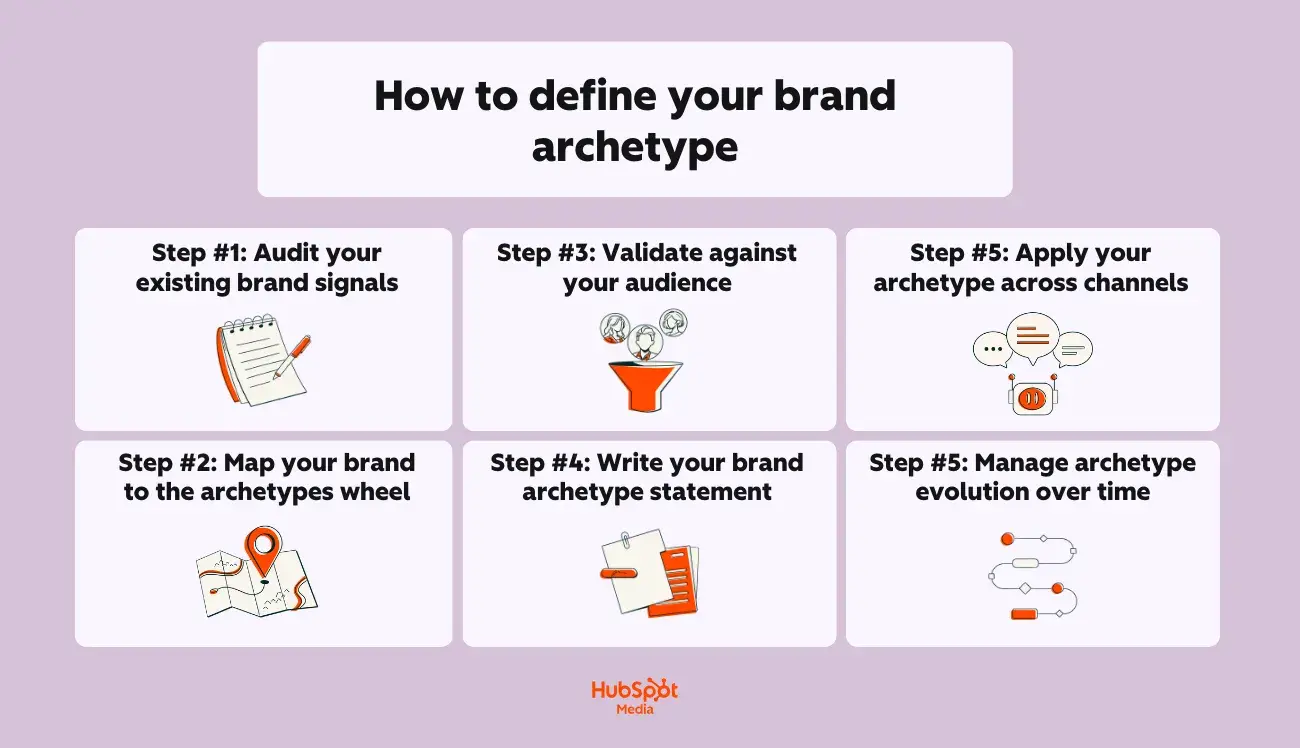
TLDR: Defining your brand archetype isn’t a rebranding exercise. Think of it as more of a clarification exercise. The archetype is already implicit in your brand’s:
Free Brand Building Guide
A comprehensive guide to effectively define, launch, scale, and monitor your brand.
- Understanding brands today.
- Incorporating brand in marketing.
- Creating brand strategy.
- Measuring brand impact.
Download Free
All fields are required.
Form not available
You're all set!
Click this link to access this resource at any time.
- Values
- Origin story
- Customer relationships
The steps I’ve outlined below will help you surface it, sharpen it, and operationalize it across every channel. Have a look:
Step #1: Audit your existing brand signals
Before choosing an archetype, take stock of what your brand is already communicating, intentionally or not.
Exercise: The brand signal audit
First, pull examples of your existing brand output and ask the following questions across each:
- What emotion does this content lead with?
- What does this content implicitly promise the customer?
- What kind of person does this content seem to be speaking to?
- If this content were a person, how would you describe their personality in three words?
Then, based on your answers to those questions, here’s what you’ll audit:
- Homepage copy and hero messaging
- Your three most recent email campaigns
- Your top five performing social posts
- Customer reviews and testimonials (pay close attention to the language customers use unprompted)
- Your most-linked blog or editorial content
Decision criteria: Look for patterns, not outliers. If your audit surfaces consistent emotional themes (i.e., achievement, belonging, transformation, rebellion) that cluster is your archetype signal.
Pro Tip: Use to pull your top-performing content in one place, filtering by engagement metrics to identify which brand signals are already resonating with your audience.
Step #2: Map your brand to the brand archetype wheel
With your audit complete, map your findings against the brand archetype wheel using the following decision framework.
Exercise: The three-question filter
For each of the 12 archetypes, be sure to ask:
- Does this archetype reflect what we genuinely believe, not just what we want to project?
- Does this archetype match the emotional need our product actually fulfills for the customer?
- Is this archetype ownable in our category or has a dominant competitor already claimed it?
If an archetype scores yes on all three, it’s a viable candidate. If it scores yes on only one or two, note it as a secondary archetype influence rather than your primary identity.
Decision criteria: Your primary brand archetype should feel like recognition, not aspiration. If you’re choosing an archetype because you want to be that brand rather than because you already are, recalibrate.
Step #3: Validate against your audience
You might not love what I’m going to say next but, as a marketer who prides herself in keeping it real, I have to say it: your brand archetype only works if it maps to a real emotional need your audience already has. This step confirms the fit before you commit.
Exercise: The audience mirror test
- Survey your existing customers with open-ended questions. Ask “How would you describe our brand’s personality?” and “How does using our product make you feel?”
- Analyze your highest-engagement social content for emotional response patterns. Identify what makes your audience share, save, or comment.
- Pull your and read the verbatim responses. The language your promoters use to describe you is your archetype reflected back.
Based on your audit findings, here’s what to look for:
- Alignment between the archetype you identified in Step 2 and the language your customers use organically
- Emotional descriptors that cluster around a single archetype’s core desire (mastery, belonging, transformation, etc.)
- Evidence that your audience’s core fear matches your archetype’s opposing tension
Step #4: Write your brand archetype statement
Once validated, codify your brand archetype into a single, actionable statement that your entire team can use as a creative north star.
Framework: The brand archetype statement
Here’s an example of a brand archetype statement: [Brand name] is the [archetype name]. We exist to help [target audience] achieve [core desire] by [how you deliver it]. Our customers come to us because they fear [core fear], and we address that by [your brand's specific response].
Now, here’s an example using Nike’s “Hero” brand archetype:
Nike is the Hero. We exist to help every athlete — regardless of ability — achieve their full potential through performance gear and aspirational storytelling. Our customers come to us because they fear falling short of what they're capable of, and we address that by making them the protagonist of every campaign we produce.
Decision criteria: Overall, your brand archetype statement should be specific enough to make creative decisions from. If it could describe any brand in your category, it isn’t specific enough.
Step #5: Apply your archetype across channels
A brand archetype only creates value when expressed consistently across every customer touchpoint. This step is where strategy becomes execution.
Channel application guide:
- Website: Archetype should be evident in hero copy, brand story, and visual language within the first scroll
- Email marketing: Subject lines, preview text, and body copy should reflect archetype tone (i.e., a Jester brand writes different subject lines than a Ruler brand).
- Social media: Content format, caption voice, and visual aesthetic should all reinforce the same archetype personality.
- Paid media: Ad creative and copy should feel like an extension of organic brand identity, not a separate persona.
- Customer support: Response tone and resolution approach should reflect archetype values (i.e., a Caregiver brand handles complaints differently than an Outlaw brand).
Pro Tip: centralizes campaign creation, email marketing, social publishing, and analytics in one platform, giving marketing teams the infrastructure to express their brand archetype consistently across every channel.
Step #6: Manage archetype evolution over time
Brand archetypes are not permanent fixtures. They evolve as your audience grows, your category shifts, and your brand matures.
However, managing that evolution deliberately is what separates brands that stay culturally relevant from the ones that don’t. That said, here’s when to revisit your brand archetype:
- Your core audience demographic has shifted significantly
- A major competitor has moved into your archetype’s territory, thus resulting in eroding differentiation
- Your product offering has expanded beyond your original category
- Your brand archetype statement no longer reflects the company you’ve become
- Engagement metrics show a sustained decline in brand content performance
Now, you’re likely wondering, “What the heck do I do if I’m managing multiple brand archetypes, Jeanie?” Well, if this happens to be your reality, you should be relieved to know that it’s more common for brands than you think.
When first defining a brand archetype, most brands operate with one primary archetype, then assign a secondary archetype that adds dimension without creating contradiction.
Below are pairings that tend to sit adjacent on the archetype wheel:
- Hero + Explorer: Achievement through discovery (think Red Bull)
- Sage + Creator: Knowledge applied to innovation (think Apple in its early years)
- Lover + Innocent: Desire expressed through purity (think Glossier)
- Jester + Everyman: Humor rooted in relatability (think Poppi)
Decision criteria: If your primary and secondary archetypes sit on opposite sides of the wheel (like Ruler and Jester, for example), the combination will read as incoherent rather than dimensional. That said, choose pairings that share at least one motivational driver.
Exercise: The annual archetype review
Once per year, repeat the brand signal audit from Step 1 and ask: does our current output still map to our stated archetype — or has our brand drifted?
Intentional evolution is strategy. But unintentional drift? That’s brand erosion.
When you define your brand archetype, you clarify your brand journey
If you leave this article having learned nothing else, I hope you learned this: your brand archetype isn’t a creative exercise. It’s a strategic foundation.
When you define your archetype, you’re not just choosing a personality for your brand. You’re making a decision about:
- What emotional need your brand exists to fulfill
- Who your most loyal customers are and what they’re really buying
- How every piece of content, campaign, and customer interaction should feel
- Where your brand sits in culture, not just in your category
A brand archetype only creates value when it shows up the same way everywhere your audience finds you. Which means defining your archetype is step one, distributing it is step two, and it never stops.
All-in-all, the brands that win in 2026 aren’t the ones with the biggest budgets or the most channels. They’re the ones with the clearest sense of who they are and the tools to prove it everywhere they show up.
Ready to define and distribute your brand archetype? Get started with to build, manage, and amplify a brand identity that your audience recognizes, trusts, and comes back to — across every channel, every campaign, and every customer interaction.
Editor's note: This post was originally published in November 2021 and has been updated for comprehensiveness.
Free Brand Building Guide
A comprehensive guide to effectively define, launch, scale, and monitor your brand.
- Understanding brands today.
- Incorporating brand in marketing.
- Creating brand strategy.
- Measuring brand impact.
Download Free
All fields are required.
Form not available
You're all set!
Click this link to access this resource at any time.