

At scale, content production involves multiple contributors across writing, design, and marketing. Without the right system in place, coordinating that work can quickly break down, leading to unclear ownership of who does what and when.
That lack of visibility is why content collaboration platforms can be so useful for growing content teams. They bring structure to planning, drafting, reviewing, and publishing, while also giving leaders visibility into what’s in progress and what’s driving results.
This guide breaks down the best content collaboration platforms, the features that matter most, and how to choose a solution that can scale with your organization.
Table of Contents
- What is a content collaboration platform?
- Features to Look for in a Content Collaboration Platform
- Best Content Collaboration Platforms
- How a Content Collaboration Platform Should Integrate With Your Stack
- How to Choose a Content Collaboration Platform That Scales With Your Team
- Frequently Asked Questions About Content Collaboration Platforms
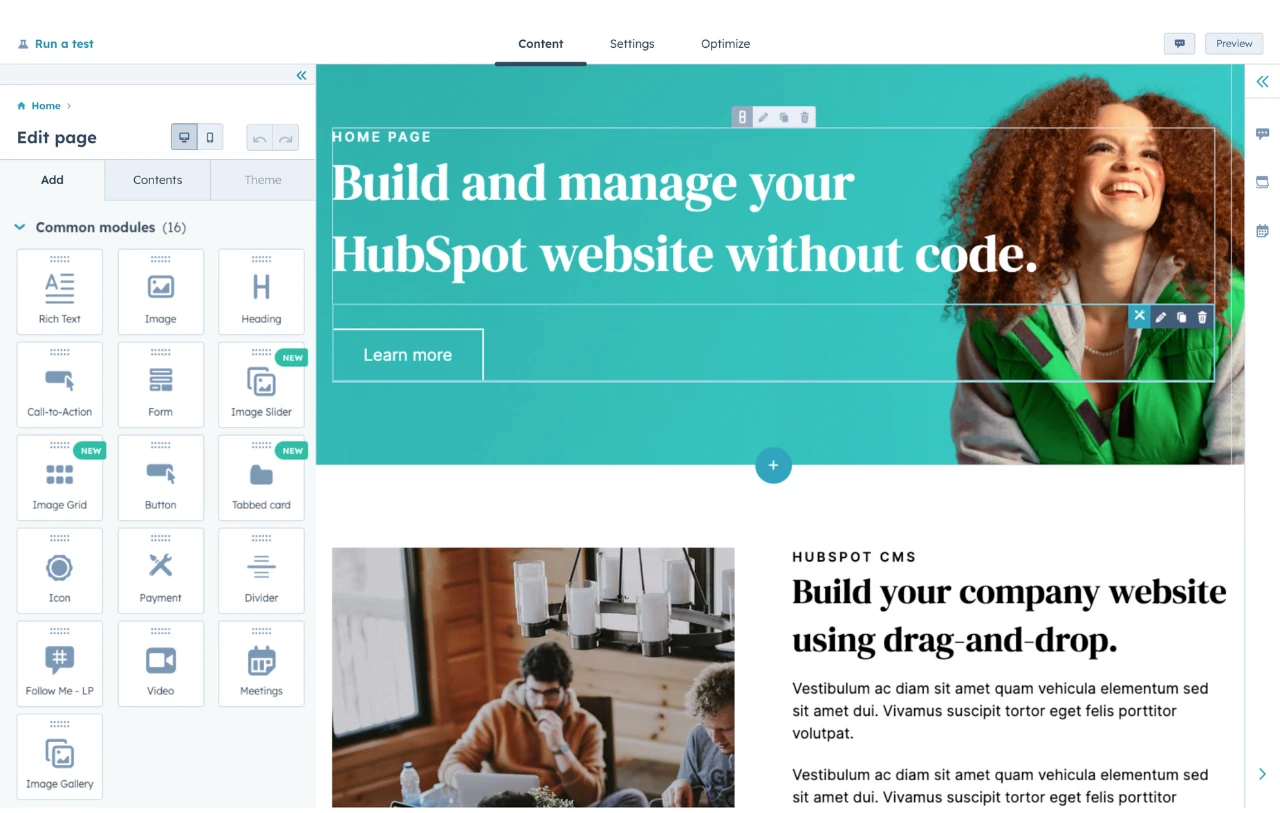
HubSpot's Free Website Builder
Create and customize your own business website with an easy drag-and-drop website builder.
- Build a website without any coding skills.
- Pre-built themes and templates.
- Built-in marketing tools and features.
- And more!
What is a content collaboration platform?
A content collaboration platform is a tool designed to help teams plan, create, review, and publish content together, either in real-time or asynchronously. Instead of juggling disconnected tools and communication channels, the entire content process lives in a single, organized workspace designed for content workflows.
To achieve these goals, content collaboration platforms typically include features like annotations, content version control, and task management.
At a basic level, collaboration platforms allow multiple contributors to work on the same piece of content with comments, version history, and clear ownership. But for growing marketing teams, it can go much further than that.
A true content collaboration platform helps content teams manage deadlines, assign roles, track approvals, control permissions, and create structured workflows so nothing falls through the cracks.
Features to Look for in a Content Collaboration Platform
While every organization will have its own unique needs, there are some high-level features that are important in any content collaboration platform.
1. Structured Workflow Management
At scale, content typically goes through multiple stages, rather than the simpler “draft to published” approach that many smaller teams use. A quality content collaboration platform should let teams build custom workflows with defined steps like ideation, drafting, editing, SEO review, legal approval, and publishing.
Content teams should also be able to assign owners, set due dates, and automate status changes so work moves forward without constant check-ins.
A tool that offers more configurable workflow management will be able to more easily adapt to the publishing workflows of different content teams.
2. Role-Based Permissions and Governance
As more contributors get involved, access control becomes critical. There could be a mix of employees working on different parts of the process, along with external contractors or freelancers.
Most content teams need role-based permissions that clearly define who can edit, comment, approve, publish, or view content. This is especially important for enterprise teams managing compliance, brand consistency, or regulated industries.
Audit trails and version history are equally important. When something changes, teams should be able to see who made the update and when.
3. Real-Time Collaboration and Version Control
Basic collaboration (comments, suggestions, inline edits) is the bare minimum in any platform. What separates strong platforms from others is how cleanly they manage version control, without requiring hacks like filenames (e.g. “Final_v3_REAL_FINAL.docx”).
Everyone working on a piece of content should be able to easily see which version is current and what stage it’s at.
4. AI-Powered Content Assistance
AI is quickly becoming a core feature in modern content platforms. Look for built-in AI tools that support outlining, drafting, rewriting, summarizing, SEO optimization, or metadata generation.
When implemented properly, AI features improve content creation speed, quality, and governance.
However, AI should enhance a content team’s workflow, rather than completely replace it. The best platforms integrate AI in ways that support human review, brand voice guidelines, and approval processes.
5. Integration With Your Existing Tech Stack
A content collaboration platform shouldn’t live in isolation. It should integrate with an organization’s existing CMS, CRM, marketing automation tools, analytics platforms, and communication tools.
When integrations are seamless, teams can eliminate manual handoffs. Content can move directly from draft to published asset, and performance data can feed back into the team’s planning process.
While third-party integrations can help get the job done, an all-in-one platform usually offers the most seamless connection between collaboration and other areas.
6. Visibility and Reporting
For larger teams, leaders need actual insight, rather than just a list of tasks. Look for dashboards that show pipeline volume, production velocity, bottlenecks, and workload distribution.
Without visibility, decision-makers can’t accurately forecast future budgets and headcount, and it’s difficult to connect content publishing to real business goals.
Best Content Collaboration Platforms
1.
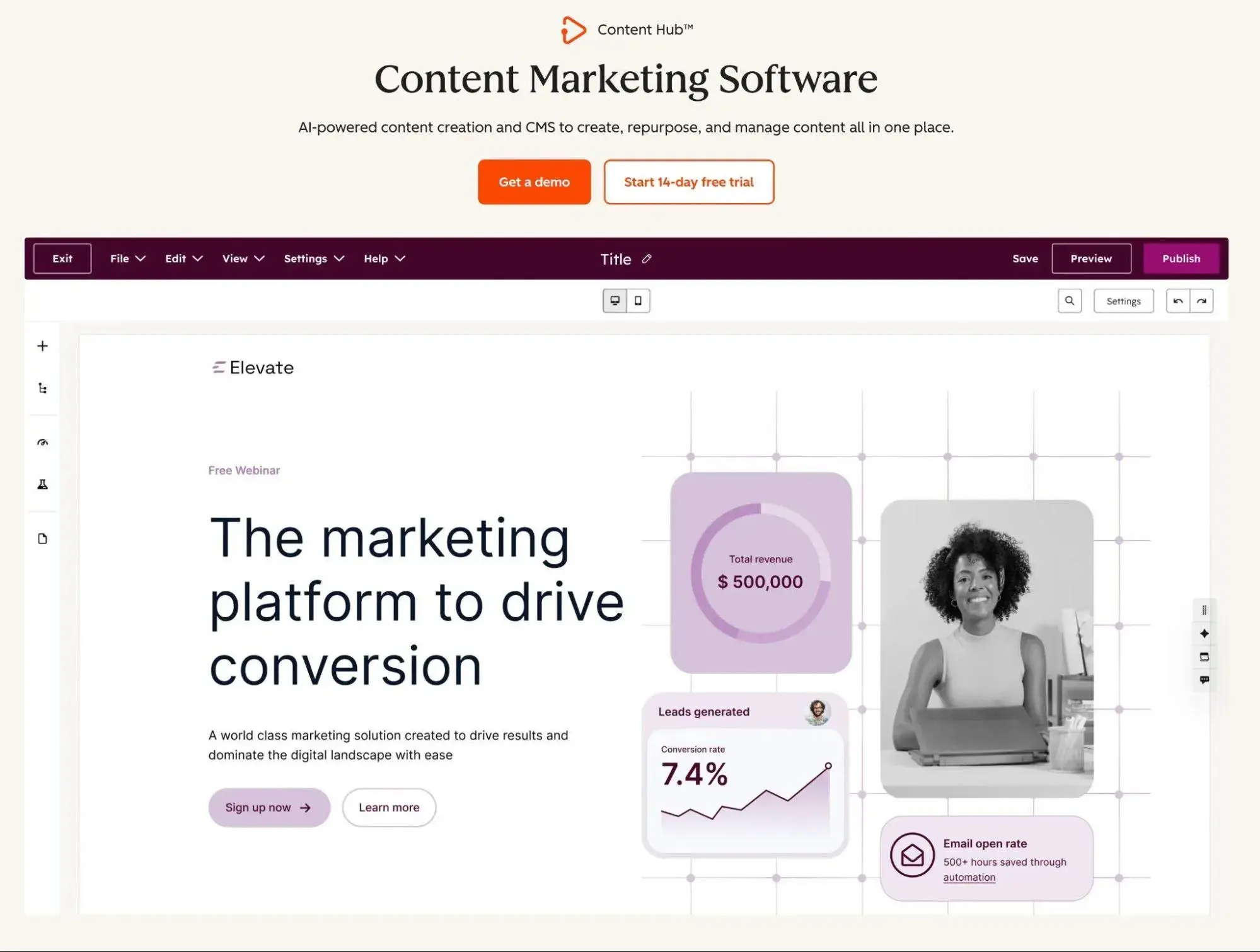
HubSpot Content Hub is an all-in-one platform that includes content collaboration tools along with a CMS, CRM, marketing tools, and other functionality.
This all-in-one approach makes a great option for teams looking for a content collaboration platform that natively connects content publishing, CRM data, marketing automation, and performance reporting in one unified system.
Content Collaboration Tools
HubSpot Content Hub offers collaboration, approvals, publishing, and AI features in one platform.
Because collaboration tools are built into HubSpot Content Hub’s content management system, content teams can without involving a third-party tool.
Here are some of the key content collaboration tools in HubSpot Content Hub:
- Real-time collaborative editing for website pages and blog posts.
- Custom content workflows, such as defining different content statuses (rather than just draft to publish).
- Built-in workflow automation and approval processes.
- Role-based permissions and governance controls.
- Detailed version history, including the ability to easily rollback to an earlier version of content.
- Flexible digital asset management. While Content Hub does not have a full-service DAM, its File Manager can work fine for storing most brand assets.
- , repurposing, and optimization tools. Teams can also use AI to enforce brand style and tone guidelines, thereby improving consistency when collaborating with diverse contributors.
- Content performance reporting tied to contacts and revenue, which can help teams collaborate on content optimization.
All-In-One Platform
In addition to helping teams collaborate on website content, HubSpot Content Hub also integrates directly with the and its many marketing tools.
For example, teams can go straight from publishing a new blog post to sending an email blast promoting it, without switching between tools.
Here’s a very brief list of some of the most notable features included in HubSpot’s all-in-one platform:
- Content management system (CMS). HubSpot includes its own , which means teams can go straight from collaborating to publishing content on a live website.
- Integrated CRM. Everything automatically syncs to . In addition to accessing marketing and sales tools, teams can use this to tie content performance directly to contact, revenue, and pipeline data.
- Flexible AI tools. can help teams use AI to not just collaborate on content, but also help with many other business functions.
Pricing
HubSpot Content Hub has a free plan that lets smaller content teams get started at no cost.
For the paid Content Hub plans, there are three plans:
- Starter from $9 per seat per month.
- Professional from $450 per month.
- Enterprise from $1,500 per month.
Another option is to access Content Hub as part of the , which is a unified solution that offers additional tools for marketing, sales, service, and data.
Best for: HubSpot Content Hub is the best option for real-time collaboration on website content. Content Hub’s native all-in-one approach also helps content teams more easily leverage CRM data, marketing automation, and performance reporting, further improving and optimizing performance.
2.
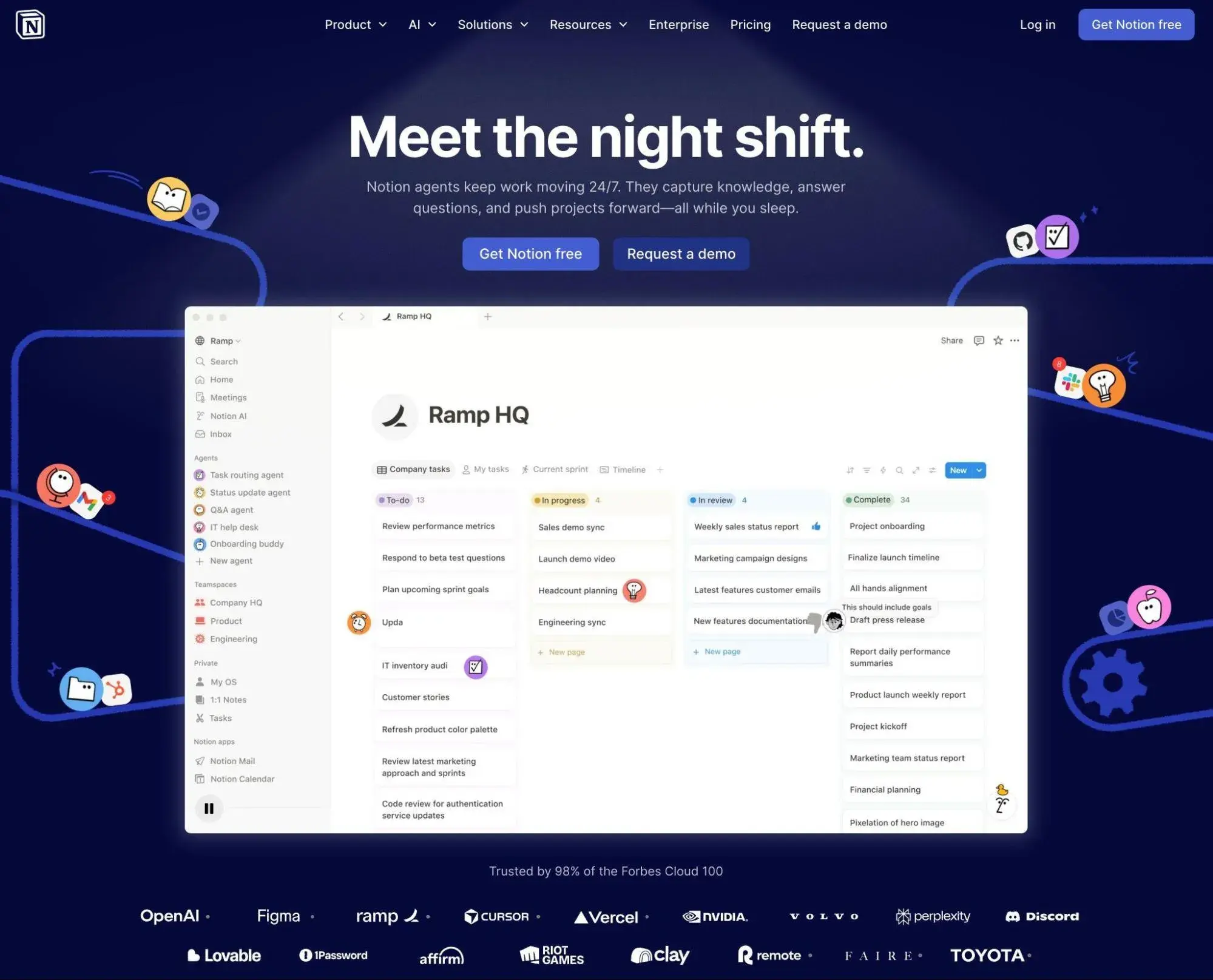
Notion is a flexible workspace that combines documents, databases, and lightweight project management into one customizable platform. Many content teams use it as a central hub for briefs, editorial calendars, brand guidelines, and knowledge management.
Its strength lies in flexibility — marketers can build their content system exactly how they want, though properly setting it up might require a little work.
Key Features
- Real-time collaboration in a built-in document editor.
- Custom databases for editorial calendars.
- Commenting and inline feedback.
- Permission controls at page and workspace levels.
- AI writing and summarization tools.
- Integrations with third-party tools using direct integrations, automation platforms like Zapier, or custom API connections. These integrations include and the .
- A large marketplace of pre-made templates, which includes multiple templates to help teams quickly get up and running with content collaboration.
Pricing
Notion offers a free plan for individuals and small teams. Paid plans add advanced permissions, version history, admin controls, and security features.
The pricing is based on the number of team members who need access to Notion:
- Plus from $10 per user per month.
- Business from $20 per user per month.
Organizations with more unique needs can also chat with Notion’s sales team about the customizable Enterprise plan.
Best for: Teams that want a customizable content hub for planning, documentation, and collaboration. Because it’s so flexible, setting up a Notion workspace can feel a bit daunting. However, there are pre-made templates for content collaboration that can help teams launch faster.
3.
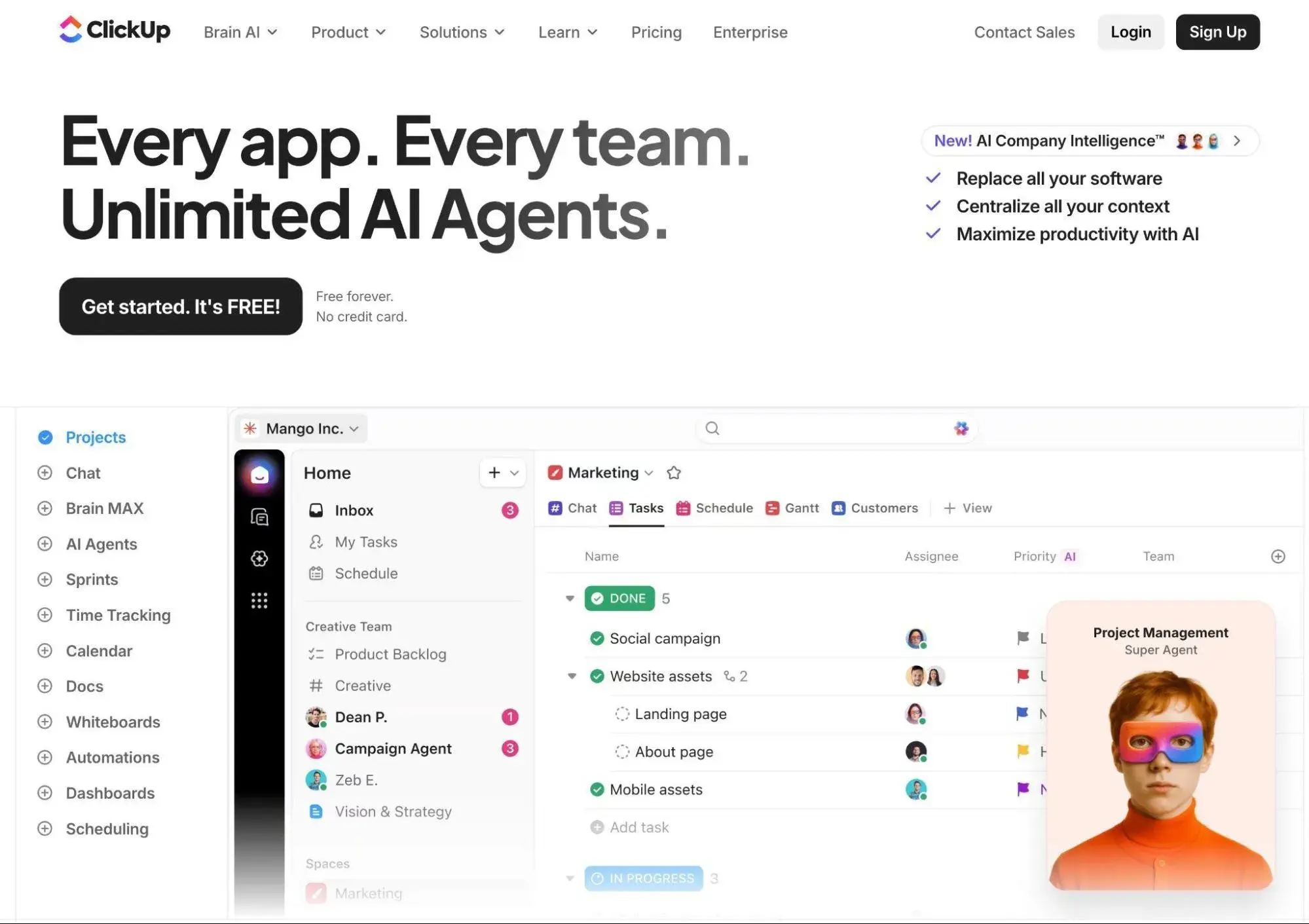
ClickUp positions itself as an all-in-one productivity platform that combines task management, documents, dashboards, and automation. For content teams, it handles everything from planning and briefs to drafting and approvals in one workspace.
It’s especially appealing to smaller organizations that need to collaborate on more than just content and want to consolidate multiple tools into a single platform.
Key Features
- Whiteboard functionality to help with topic brainstorming and content outlining.
- Task management with custom statuses and workflows.
- Built-in document collaboration.
- Automation rules for content approvals.
- Dashboards for reporting and workload visibility.
- AI-powered writing assistance.
- Integration with HubSpot and other marketing tools. ClickUp offers that helps teams automate in 20+ different ways.
HubSpot's Free Website Builder
Create and customize your own business website with an easy drag-and-drop website builder.
- Build a website without any coding skills.
- Pre-built themes and templates.
- Built-in marketing tools and features.
- And more!
Pricing
ClickUp offers a free plan with core functionality that might work for very small teams, but most organizations will need to go with a paid plan.
The paid plans scale based on the number of users:
- Unlimited from $7 per user per month.
- Business from $12 per user per month.
There’s also a customizable Enterprise plan for organizations with more unique needs.
Best for: ClickUp can be a good option for growing teams that want an all-in-one workspace combining documents, workflows, dashboards, and automation — without needing separate tools for each function.
Teams can easily integrate with or other website builders to publish finished content.
4.
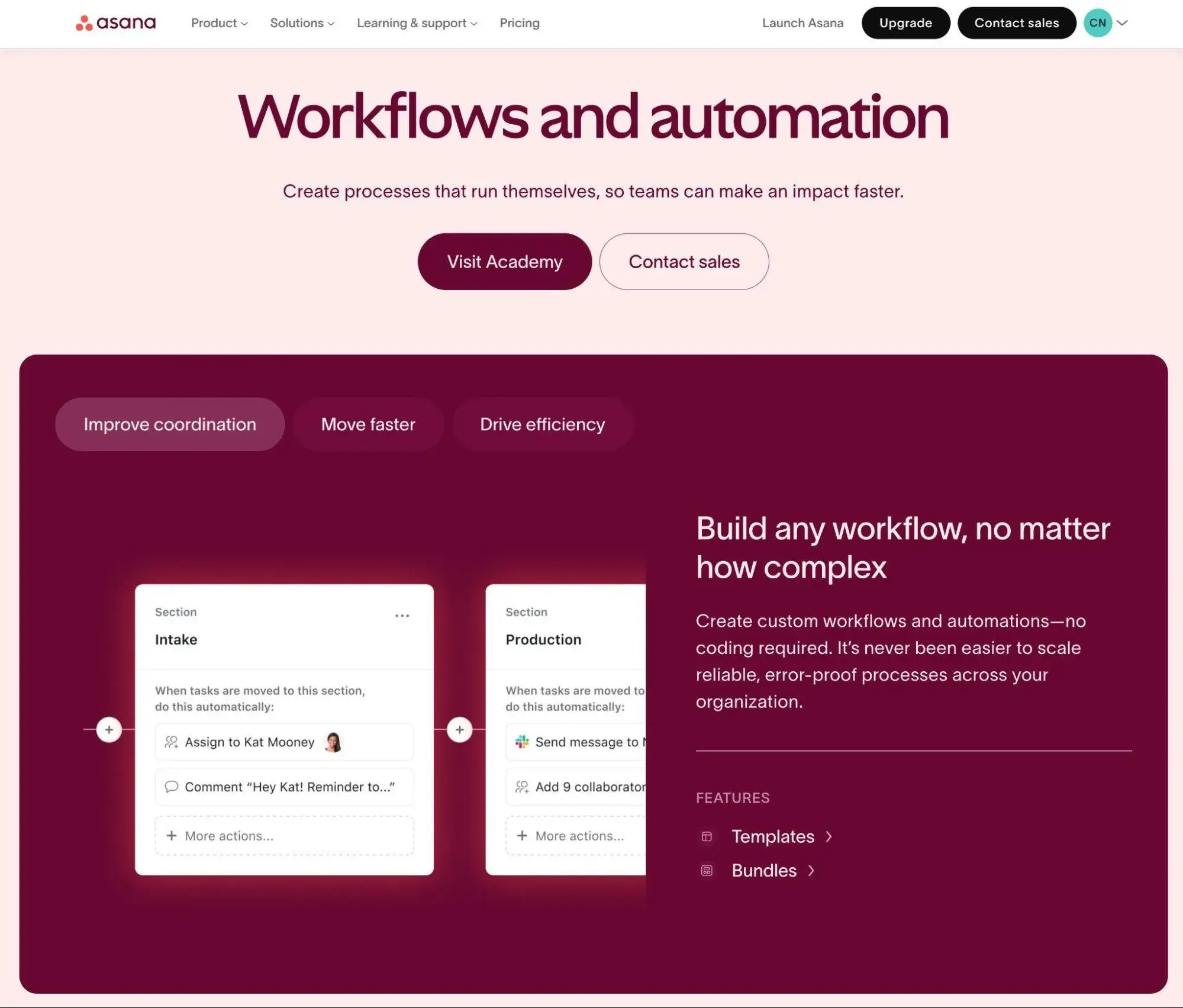
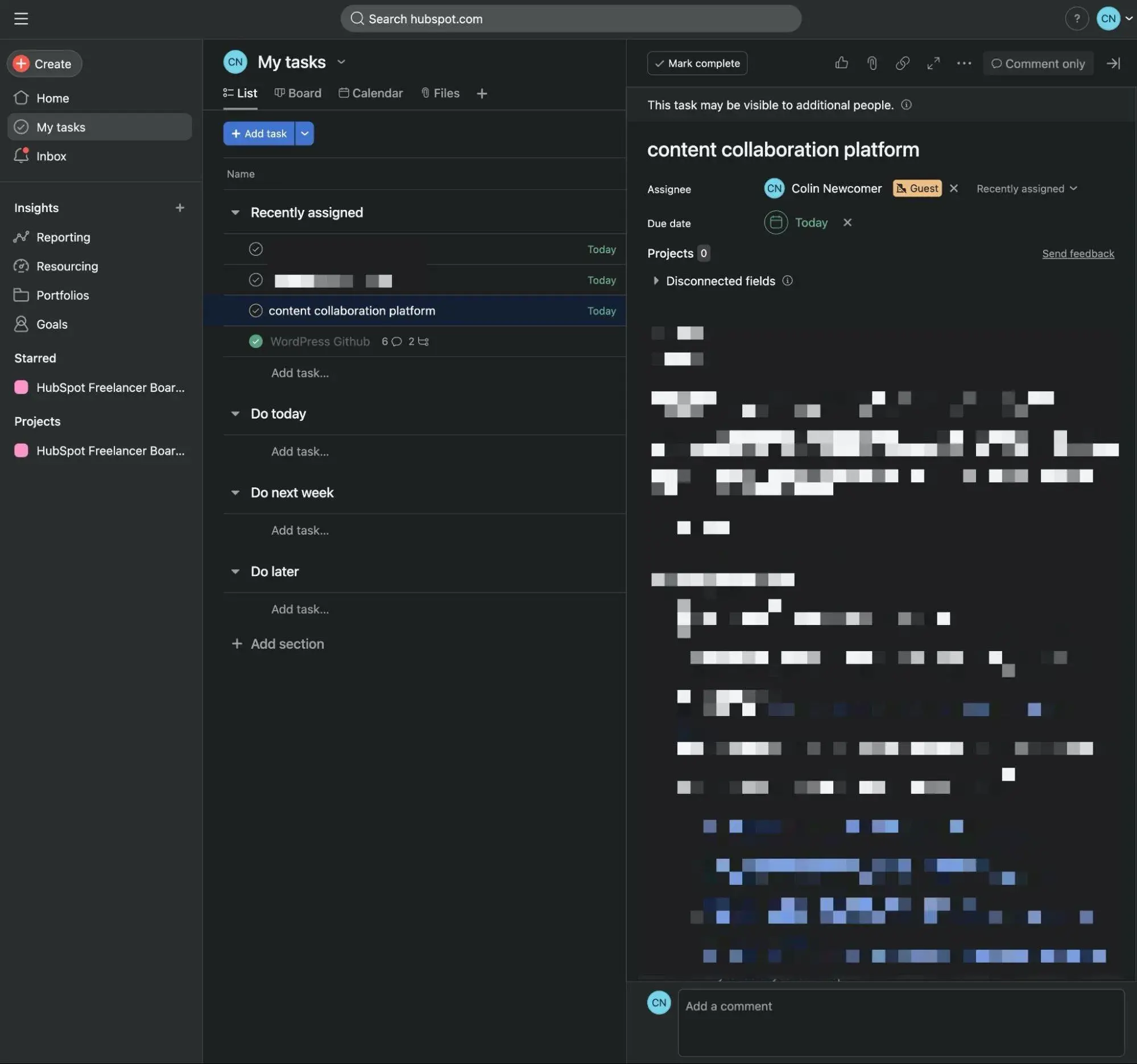
Asana is a work management platform that helps teams organize projects and coordinate workflows across departments. While it’s not a CMS, it’s widely used by marketing teams to manage editorial calendars, content pipelines, and approval processes.
It serves as the operational backbone for content production, providing teams with structure and visibility across campaigns. However, teams might need separate tools for document editing and commenting, which could be a potential drawback for teams looking for an all-in-one tool. For this reason, many teams combine it with something like Google Docs.
Asana is also the actual content collaboration platform that we use here at HubSpot.
Key Features
- Custom workflows and task stages.
- Editorial calendars and timeline views.
- Task assignments, due dates, and dependencies.
- Automation rules for status updates and approvals.
- Integration with CRM and marketing tools, including HubSpot.
- Reporting dashboards for workload and progress tracking.
Pricing
Asana offers a free plan for small teams.
Paid plans unlock advanced automation, reporting, and workflow customization. Pricing is typically per user, per month:
- Starter from around $11 per user per month.
- Advanced from around $25 per user per month.
- Enterprise clients should contact Asana’s sales team for a quote.
Best for: Teams that need strong planning and workflow management around content production. Asana works well as the operational layer that supports a CMS like HubSpot .
However, Asana lacks a built-in document editor for easy content editing and in-document comments. For this reason, it works best as an accessory rather than a truly standalone content collaboration platform.
5.

Box is a cloud content management and file collaboration platform built with security and enterprise governance in mind. While it’s not a traditional content marketing tool, many organizations use Box as the secure foundation for storing, reviewing, and collaborating on content assets across teams and external partners.
Box’s strength lies in controlled collaboration. If an organization works with agencies, freelancers, legal teams, or regulated data, Box provides structured file sharing with enterprise-grade compliance and audit capabilities.
Key Features
- Secure file sharing with granular, role-based permissions.
- Version history and detailed audit trails.
- Workflow automation for reviews and approval. It also includes an e-signature feature, which can be useful for teams requiring more robust legal sign-off on content.
- Built-in commenting and annotations on documents.
- Integration with CRM, marketing, and project management tools (including HubSpot). For example, the can help teams integrate Box with HubSpot.
- AI tools for content creation and summarization.
- Enterprise-grade security, compliance, and data governance controls.
Pricing
Box offers a free plan for individuals, but teams must choose a paid plan. All of the team plans are billed based on the number of users, with a minimum of three:
- Business Starter from $5.80 per user per month.
- Business from $17.30 per user per month.
- Business Plus from $28.70 per user per month.
- Enterprise from $40.30 per user per month.
- Enterprise Plus from $57.50 per user per month.
Best for: Box can be a good option for organizations that prioritize a secure content collaboration platform with robust asset governance — especially those working across departments or with external partners. Box works well as a secure content layer that integrates with tools like HubSpot Content Hub, project management systems, and marketing platforms.
How a Content Collaboration Platform Should Integrate With Your Stack
A quality content collaboration platform shouldn’t operate in a silo. If teams are copying links between tools, manually updating statuses, or exporting data just to see performance metrics, there’s a lot of unnecessary friction that can offset some of the productivity gains that collaboration platforms offer.
To avoid that friction, the right collaboration platform should connect directly to other related tools, including marketing, sales, and operations workflows.
Here are some key integration areas that teams should consider.
CRM Integration
Content should connect to customer data, rather than “living” separately from it. When a company’s collaboration platform integrates with its CRM, marketing, and sales, leaders can see how specific assets influence pipeline, revenue, and lifecycle stages.
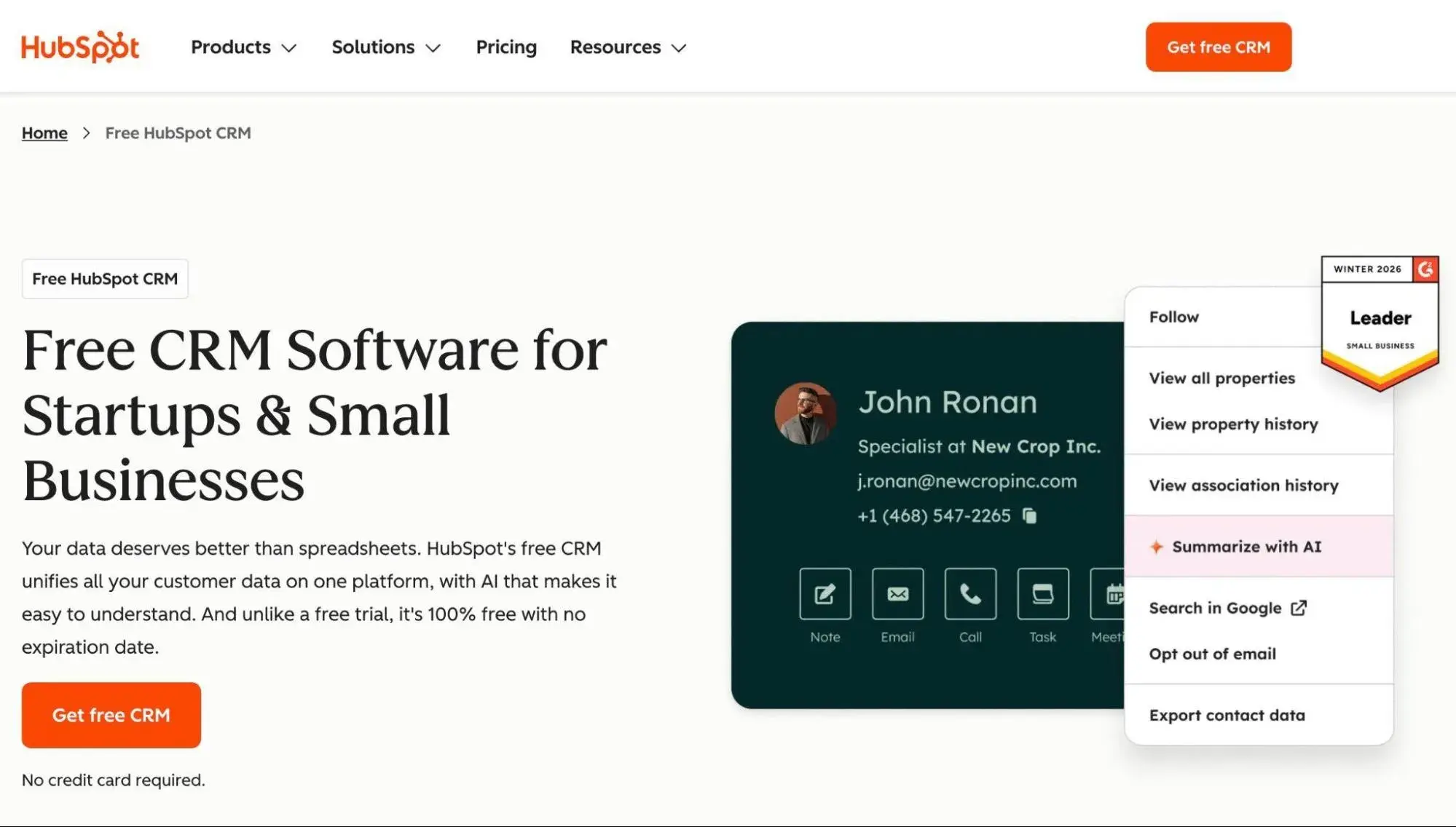
integrates natively with , automatically tying website pages, blog posts, and gated content to contact records and deal data.
糖心Vlog Automation Integration
The content process doesn’t stop when the status changes to “published.” It should flow directly into email campaigns, nurturing workflows, paid campaigns, and social distribution. Integration with marketing automation tools ensures assets move seamlessly from production to promotion.
When collaboration platforms connect to tools like HubSpot 糖心Vlog Hub, campaign tracking, performance analytics, and personalization become part of the same ecosystem. That alignment reduces friction and improves reporting accuracy.
Digital Asset Libraries (DAM)
If managing brand assets, creative files, or large media libraries, a collaboration platform should integrate with the digital asset management system (DAM). This ensures writers, designers, and editors are always pulling from approved, up-to-date assets.
Instead of downloading and re-uploading files across platforms, integrations keep assets centralized while still making them accessible within the content workflow.
For smaller teams, a basic file manager like the one in might be enough.
Project Management Tools
Not every organization runs entirely on marketing projects. If content work intersects with product launches, partnerships, or company-wide initiatives, integration with other project management tools helps keep everyone on the same page.
Developer and Technical Tools
For teams that publish complex website experiences or product-led content, integration with developer tools matters. This can include version control systems, staging environments, API access, and custom workflows that support technical publishing requirements.
Strong APIs and extensibility ensure a collaboration platform can grow with a company’s tech stack, even if it might require some custom development at points.
HubSpot's Free Website Builder
Create and customize your own business website with an easy drag-and-drop website builder.
- Build a website without any coding skills.
- Pre-built themes and templates.
- Built-in marketing tools and features.
- And more!
How to Choose a Content Collaboration Platform That Scales With Your Team
When choosing a content collaboration platform, don’t just focus on what works now. Also consider whether the tool can grow and scale with your team.
Here are some important factors that teams should consider when choosing a content collaboration platform.
1. Workflow Flexibility (Not Just Task Lists)
Early-stage teams can get by with simple task boards. Scaling teams might not be able to. Look for customizable workflows with defined stages, conditional approvals, automation, and clear ownership rules.
As content teams grow, their needs can also evolve. Some of the additional tasks could include adding:
- Compliance reviews.
- Localization steps.
- Multi-brand governance.
Ensure the platform can adapt without requiring workarounds for every new requirement.
2. Governance and Permission Controls
As a content team’s contributor count grows, so does risk. To account for this, content teams need granular, role-based permissions that control who can draft, edit, approve, publish, or access specific content types.
Enterprise-ready platforms should also offer audit trails, version history, and approval logs. In addition to enhancing security, these features can also help maintain quality and provide accountability for content.
3. Integration Depth (Not Just “Integrates With”)
Many collaboration platforms will try to feature as many integrations as possible in their marketing copy. However, “integration” is more than just a checkbox, and the actual depth of the integration matters. Does it offer true two-way sync with your CRM? Does campaign data flow automatically? Are performance metrics visible inside the platform?
A platform like integrates natively with CRM and marketing tools, eliminating manual syncing. That kind of tight integration becomes increasingly important as reporting and attribution become more complex.
4. AI (That Actually Improves Content Production)
AI features are everywhere right now because every content platform wants to prove it’s staying current with the AI boom. However, not all AI is created equal.
Look for AI that supports real production needs:
- Outlining.
- Summarizing.
- Repurposing.
- SEO recommendations.
- Metadata generation.
- Workflow automation.
Don’t stop at asking “Does it have AI?”
Instead, ask questions like “Does the AI meaningfully reduce production time while maintaining quality?”
5. Visibility and Reporting for Leadership
As content operations grow, leadership will expect forecasting and measurable impact.
Look for a tool that can help provide this visibility and reporting without the need for hacked-together reports and spreadsheets.
Gaining insights such as bottlenecks in the content production pipeline, time-to-publish, and content performance can give leadership clear insights into content performance and ROI.
6. Usability and Adoption Across Roles
Adoption friction can be a hidden risk for content teams looking to scale their operations. The best content collaboration platform in the world will still struggle if people don’t want to use it, so usability is also important for driving adoption and promoting team collaboration.
Writers, editors, designers, SEO specialists, legal reviewers, and executives all need different views and capabilities. Look for a system that offers the necessary functionality for key stakeholders while still maintaining a usable interface.
7. Cost Structure That Supports Growth
Finally, consider the tool’s pricing model closely, rather than just focusing on a single pricing tier. Some pricing models can become expensive quickly as teams add freelancers, agencies, and other stakeholders.
It doesn’t matter how scalable a tool’s functionality is if the pricing model puts higher-tier plans out of reach.
Frequently Asked Questions About Content Collaboration Platforms
How is a content collaboration platform different from a CMS?
A CMS (content management system) is primarily designed to publish and manage content on your website. It handles things like page templates, SEO settings, content storage, and publishing workflows. A content collaboration platform, on the other hand, focuses on how content gets created — including planning, drafting, reviewing, approvals, and internal coordination.
Some of the best content management systems combine both. For example, HubSpot Content Hub brings collaboration and CMS functionality into one system. But, traditionally, a CMS helps teams publish content, while a collaboration platform helps them produce it efficiently and consistently.
Do I still need a DAM with a content collaboration platform?
It depends on how content-heavy your organization is. A DAM (Digital Asset Management system) is purpose-built to store, organize, tag, and distribute large volumes of images, videos, brand assets, and design files. If your team produces high volumes of visual content — especially across regions or brands — a dedicated DAM often makes sense.
Some collaboration platforms include lightweight asset libraries, but they’re not always robust enough for enterprise-level asset governance. For growing teams, integrating a collaboration platform with a DAM gives you the best of both worlds: structured content workflows plus centralized asset control.
Can a content collaboration platform replace my project management tool?
Yes, but not always. Many content collaboration platforms include task management, editorial calendars, and workflow automation that can handle content-specific projects extremely well. If most of the project work revolves around content production, teams may not need a separate tool.
However, if an organization manages cross-functional initiatives beyond marketing (product launches, engineering sprints, operations projects), a dedicated project management platform might still be necessary. In that case, integration is key. Content workflows should connect seamlessly with broader company initiatives.
How do I collaborate securely with agencies and freelancers?
Start with role-based permissions. The right platform should allow users to grant limited access. For example, letting freelancers draft and comment without giving them publishing rights or access to sensitive data. This keeps collaboration smooth while protecting internal systems.
Look for audit trails, version history, and approval workflows. These features create accountability and reduce risk when multiple external contributors are involved. Clear processes plus controlled access are what make external collaboration scalable.
Start collaborating more effectively today.
As content teams grow, the content production process becomes more complex. Without structured workflows, governance, integration, and visibility, content production can become inefficient and bottlenecked. The right content collaboration platform can help teams avoid these issues while also making it easier to scale and optimize content creation.
For many organizations, HubSpot Content Hub stands out because it doesn’t just help teams collaborate. It also connects that collaboration directly to CRM data, marketing automation, publishing, and performance reporting in one unified system. This can help content and marketing teams move faster, while also giving leaders deeper insights into content performance.
HubSpot's Free Website Builder
Create and customize your own business website with an easy drag-and-drop website builder.
- Build a website without any coding skills.
- Pre-built themes and templates.
- Built-in marketing tools and features.
- And more!
Content Tools