
As marketers, we understand the importance of SEO in driving traffic and generating leads. But all too often, our efforts are hindered by not using the best SEO automation tools at our disposal.
In this guide, you’ll find out which essential SEO tools you should have in your arsenal to quickly and efficiently create an effective SEO strategy.
Let’s get started!
What SEO tasks can be automated?
13 Essential SEO Automation Tools
What is SEO automation?
SEO automation is the process of using software and AI-powered tools to handle repetitive, time-consuming SEO tasks — ones that would otherwise require hours of manual work. This includes everything from traditional rule-based tasks like managing meta tags, optimizing images, and tracking analytics, to more advanced AI-driven work like generating content briefs, identifying semantic keyword clusters, and predicting ranking opportunities.
Done right, SEO automation doesn't replace SEO strategy — it frees you up to focus on it. Teams that automate effectively can cut reporting time by up to 80%, monitor thousands of pages for technical issues in minutes, and respond to ranking fluctuations the same day they happen rather than the same week.
Types of SEO Automation
1. Traditional (Rule-Based) Automation
This covers task automation driven by predefined rules and triggers — no AI required. It's reliable, predictable, and ideal for structured, repeatable workflows.
Examples:
- Auto-generating and submitting XML sitemaps when new pages are published
- Bulk-updating meta titles and descriptions across large page sets via templates
- Scheduling and automatically distributing weekly ranking and traffic reports
- Setting up alerts for crawl errors, broken links, or drops in Core Web Vitals scores
- Automatically compressing and renaming images to meet SEO best practices on upload
2. AI-Powered Automation
AI-driven automation goes beyond rigid rules — it learns from data, adapts to patterns, and can handle tasks that previously required human judgment.
Examples:
- Generating first-draft content briefs based on SERP analysis and competitor gaps
- Clustering thousands of keywords by search intent automatically
- Flagging thin or duplicate content across an entire site at scale
- Predicting which pages are most at risk of ranking drops based on historical trends
- Auto-generating alt text, internal link suggestions, and schema markup
Time-Saving Examples
| Task | Manual Time | Automated Time | Time Saved |
|---|---|---|---|
| Monthly ranking report (500 keywords) | 3–4 hours | 10 minutes | ~95% |
| Technical site audit (10,000 pages) | 2–3 days | 1–2 hours | ~90% |
| Keyword clustering (1,000 keywords) | 4–6 hours | 15 minutes | ~95% |
| Meta tag review and updates | 2–3 hours | 20 minutes | ~85% |
| Backlink monitoring and alerts | Ongoing/daily | Real-time | 100% hands-off |
Workflow Examples
Workflow 1: New Page Publishing
- Page is published in CMS
- Tool auto-generates meta title and description using a template
- Image optimizer compresses and renames images on upload
- Sitemap updates automatically and pings search engines
- Internal linking tool suggests relevant existing pages to link from
Workflow 2: Weekly Monitoring
- Rank tracker logs keyword positions daily
- Alert fires if any tracked keyword drops more than 5 positions
- Automated report compiles rankings, traffic, and Core Web Vitals every Monday
- Report is emailed to stakeholders automatically — no manual export needed
Workflow 3: Content Scaling with AI
- Target keywords are imported into an AI brief generator
- Tool analyzes top-ranking pages and outputs a structured content brief
- Writer uses brief to produce content; AI tool checks it for keyword coverage
- On publish, schema markup is auto-applied based on content type
Traditional SEO Automation vs. AI-Powered Tools
SEO automation has existed for over a decade, but "automation" today means something fundamentally different than it did even five years ago. To choose the right tools for your workflow, you first need to understand what distinguishes the two categories—and why using only one puts you at a disadvantage.
What Traditional SEO Automation Does
Traditional automation tools operate on rules and triggers you define in advance. They execute the same action every time a condition is met — no learning, no adaptation, no judgment calls. They are fast, reliable, and excellent at eliminating pure repetition from your workflow.
Common use cases include:
- Automated reporting — Rank trackers like SEMrush or Ahrefs can send weekly keyword reports to stakeholders without any manual exports.
- Crawl monitoring and alerts — Tools like Screaming Frog or Google Search Console can fire alerts the moment a page returns a 404, drops in indexing, or falls below a Core Web Vitals threshold.
- Sitemap management — CMS plugins can automatically regenerate and submit your XML sitemap every time a page is published or updated.
- Meta tag templates — Rule-based templates can auto-populate title tags and meta descriptions at scale using page data like category name or product type.
These tools shine when the task is structured, predictable, and high-volume. The tradeoff: they can only do what you've already told them to do. They don't surface insights you didn't think to look for, and they can't adapt when search behavior or your site architecture changes.
What AI-Powered SEO Tools Do Differently
AI-powered tools use machine learning, natural language processing, and large language models to go beyond executing rules — they analyze patterns, make recommendations, and can handle tasks that previously required human expertise and judgment.
The adoption numbers reflect how quickly the industry has recognized this: 47% of marketers are already using AI SEO tools to improve search efficiency, and 84% use them to identify emerging search trends. Meanwhile, 75% of businesses now leverage AI to reduce the time spent on manual tasks like keyword research and meta-tag optimization.
The performance gap is equally striking. AI-powered tools reduce keyword research time by 80% and enhance content optimization efficiency by 30%. At the outcome level, AI-driven SEO strategies achieve a 14.6% conversion rate — significantly higher than the 1.7% conversion rate from traditional SEO methods.
Key AI-powered capabilities include:
- Semantic keyword clustering — AI groups thousands of keywords by search intent automatically, a task that would take a human analyst days.
- Content gap analysis — Tools like Surfer SEO and Clearscope compare your page against top-ranking competitors and flag exactly what's missing.
- Predictive ranking analysis — AI can identify which pages are at risk of ranking drops before they happen, based on traffic and algorithm patterns.
- Auto-generated schema markup — AI-powered schema markup automation improves rich snippet visibility by 38%.
- AI-assisted title and meta optimization — AI-generated meta descriptions increase click-through rates by 21%, and AI-assisted title optimization leads to a 33% boost in engagement.
Side-by-Side Comparison
| Traditional Automation | AI-Powered Tools | |
|---|---|---|
| How it works | Predefined rules and triggers | Machine learning and pattern recognition |
| Best for | Structured, repeatable tasks | Analysis, prediction, and content tasks |
| Adaptability | Fixed — only does what you configure | Dynamic — improves with more data |
| Setup required | Higher (rules must be built manually) | Lower (most tools work out of the box) |
| Output | Consistent execution | Insights, recommendations, and drafts |
| Examples | Screaming Frog, Google Search Console alerts, rank tracking reports | Surfer SEO, Clearscope, SEMrush AI features, Jasper |
How to Use Both Strategically
The biggest mistake SEO teams make is treating this as an either/or decision. The highest-performing workflows combine both: traditional automation handles execution and monitoring, while AI handles analysis, content, and decision support.
A practical framework:
Use traditional automation for:
- Any task that's purely mechanical and runs on a schedule (reports, sitemap updates, alerts)
- Monitoring at scale — crawl errors, ranking fluctuations, backlink changes
- Anything where consistency and reliability matter more than insight
Use AI-powered tools for:
- Anything that involves interpreting data and deciding what to do with it
- Content tasks: briefs, outlines, optimization, meta copy
- Keyword and competitor research, where pattern recognition across large datasets adds real value
- Identifying opportunities you wouldn't have thought to look for
For enterprise teams in particular, the complexity of managing SEO across traditional search and multiple AI platforms has made manual SEO tasks unsustainable — automation is no longer a competitive advantage but a requirement. But even for smaller teams, the principle holds: every hour your tools spend on execution is an hour your strategists can spend on the work only humans can do.
What SEO tasks can be automated?
Say goodbye to manual labor and hello to efficiency with SEO automation! Here are just a few of the tasks that can be automated with the right toolkit in hand.
-
Keyword research. Automation helps to quickly identify keywords relevant to your target audience for high-value traffic opportunities.
-
Content creation. Generate quality blog posts and website content with AI-driven writing services and make sure you’ve sprinkled enough keywords throughout the piece.
SurferSEO, for instance, will provide you with these suggestions as you write.
-
Automated structured data markup. Generate and validate structured data for your site in a heartbeat.
-
Technical optimization. Save time on page speed optimization and technical audits while avoiding mistakes thanks to automated checks. Tools for an SEO audit will crawl your website and generate a report on any issues they find.
-
Reporting and analytics. Automatically generate reports to track SEO performance with analytics tools such as Google Analytics, Google Data Studio, and others.
Get instant insights into how much traffic you are getting, what content is performing the best, where your visitors are coming from, etc.
-
Automated rank tracking. Monitor how you rank for target keywords in the search engine results pages (SERPs). Track competition and fluctuations in the SERPs and get alerted when a competitor’s content ranks higher than yours for a keyword.
-
Automated image optimization. Automatically optimize images for SEO to improve page loading times without losing image quality.
-
Backlink Analysis and Interlinking. Find backlink opportunities, monitor competitor links, and get suggestions for internal linking to create a natural-looking link profile for your website.
With automation, marketers can create more effective SEO strategies faster and easier than ever. If you are ready to take your SEO efforts to the next level, keep reading and find awesome SEO automation software for different tasks.
13 Best SEO Automation Tools for Every Budget and Team Size
Not every SEO automation tool is built for the same team — and spending enterprise-level money on a solo blog, or equipping a large agency with budget tools, creates real problems. The right tool depends on the scale of your operation, the complexity of your workflows, and how much strategic depth you need from your data.
We've grouped the 13 best SEO automation tools into three tiers — Enterprise, Mid-Market, and Budget-Friendly — so you can find the best fit without wading through tools built for a completely different use case.
Quick Comparison Table
| Tool | Category | Starting Price | Best For | Type |
|---|---|---|---|---|
| SEMrush | Enterprise | $119.95/mo | All-in-one SEO + marketing suite | Traditional + AI |
| Ahrefs | Enterprise | $129/mo | Backlink analysis & competitor research | Traditional + AI |
| AccuRanker | Enterprise | $49/mo (500 kw) | Real-time rank tracking at scale | Traditional |
| AgencyAnalytics | Enterprise | $29/mo | Multi-client reporting & dashboards | Traditional |
| HubSpot 糖心Vlog Software | Mid-Market | Included w/ 糖心Vlog Hub Pro | Content strategy + SEO for HubSpot users | Traditional + AI |
| SurferSEO | Mid-Market | $59/mo | Content optimization & keyword clustering | AI-powered |
| Respona | Mid-Market | $99/mo | Link-building & PR outreach automation | Traditional + AI |
| Jasper | Mid-Market | $49/mo | AI copywriting & meta content generation | AI-powered |
| Looker Studio | Budget-Friendly | Free | Custom SEO reporting & data visualization | Traditional |
| Google Search Console | Budget-Friendly | Free | Site performance monitoring & indexing | Traditional |
| Netpeak Spider | Budget-Friendly | $7/mo | Technical site audits & crawl analysis | Traditional |
| Merkle Technical SEO Tools | Budget-Friendly | Free | Technical SEO tasks (schema, sitemaps, robots.txt) | Traditional |
| Compress PNG | Budget-Friendly | Free | Image compression for page speed | Traditional |
? Enterprise Tools
These platforms are built for SEO teams managing large sites, multiple clients, or complex multi-channel campaigns. They offer the deepest data, the most integrations, and the highest customization ceiling — with pricing to match.
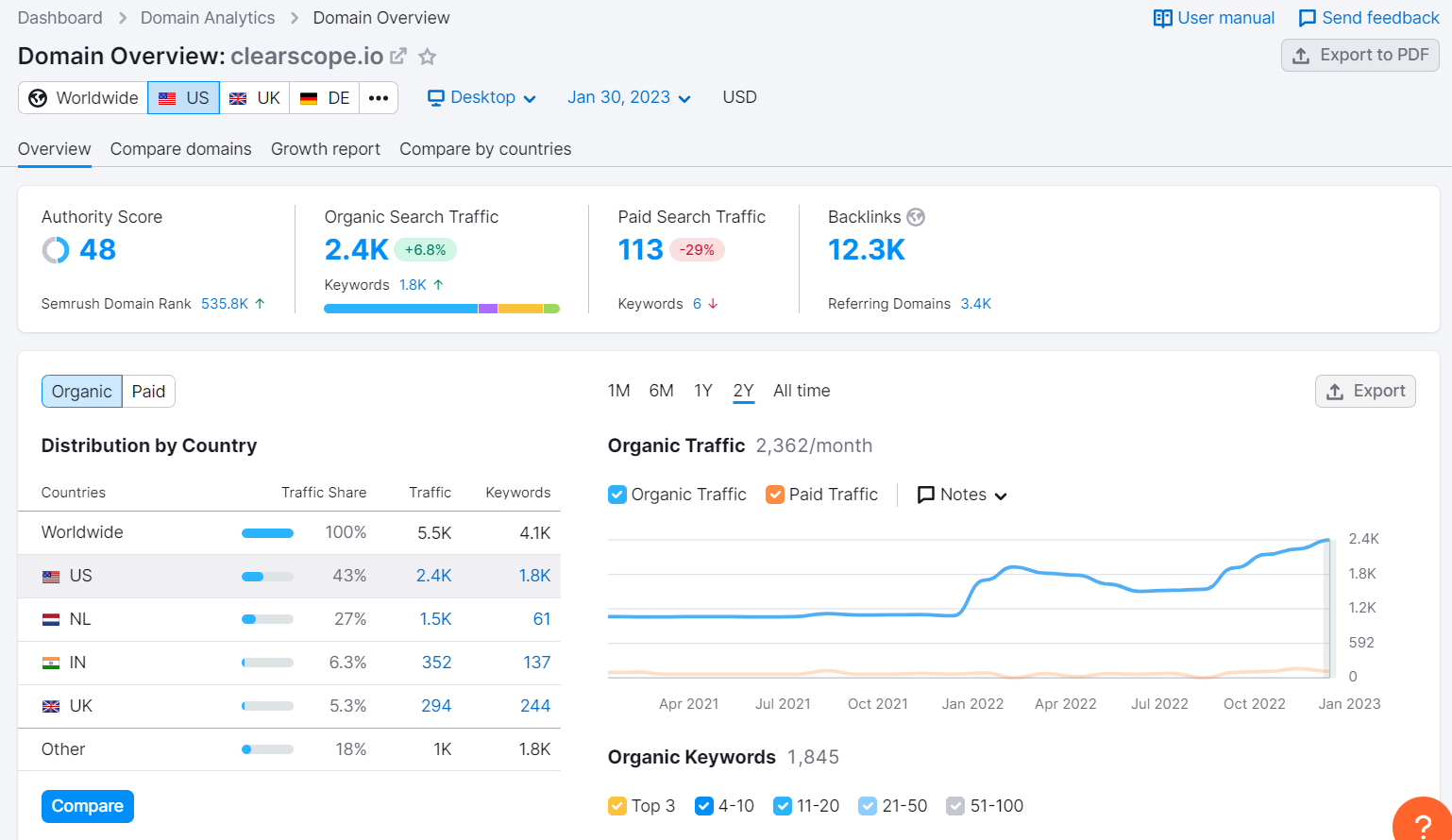
SEMrush is one of the most comprehensive SEO suites available, covering everything from keyword research and rank tracking to content optimization, PPC, and competitive analysis — all under one roof.
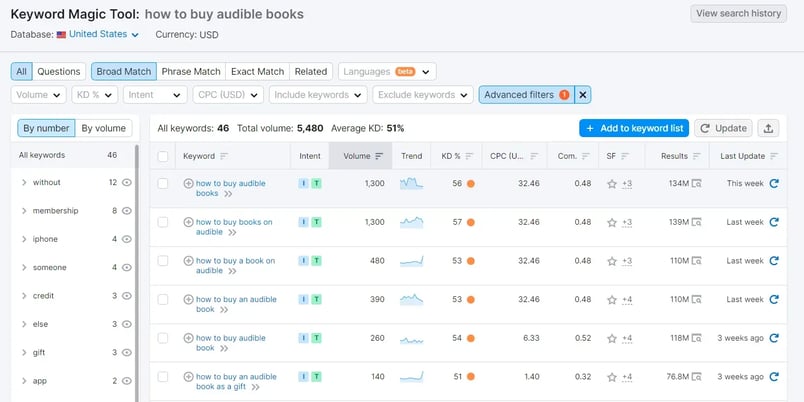
Its Keyword Magic Tool is particularly powerful for automation: it clusters thousands of long-tail keywords by topic in under a minute, a process that used to require complex Excel formulas or hours of manual sorting.
SEMrush also offers an AI SEO Toolkit that tracks your brand's visibility across AI search platforms like ChatGPT, Google AI Overviews, and Perplexity — making it one of the few tools already adapted for the AI search era.
Best for: SEO professionals who need a comprehensive suite to analyze competitor data, monitor keyword rankings, optimize content, and track LLM visibility.
Pricing: Starts at $119.95/month (Pro). Business plan at $449.95/month.
Alternatives: Ahrefs, KeywordTool, Serpstat
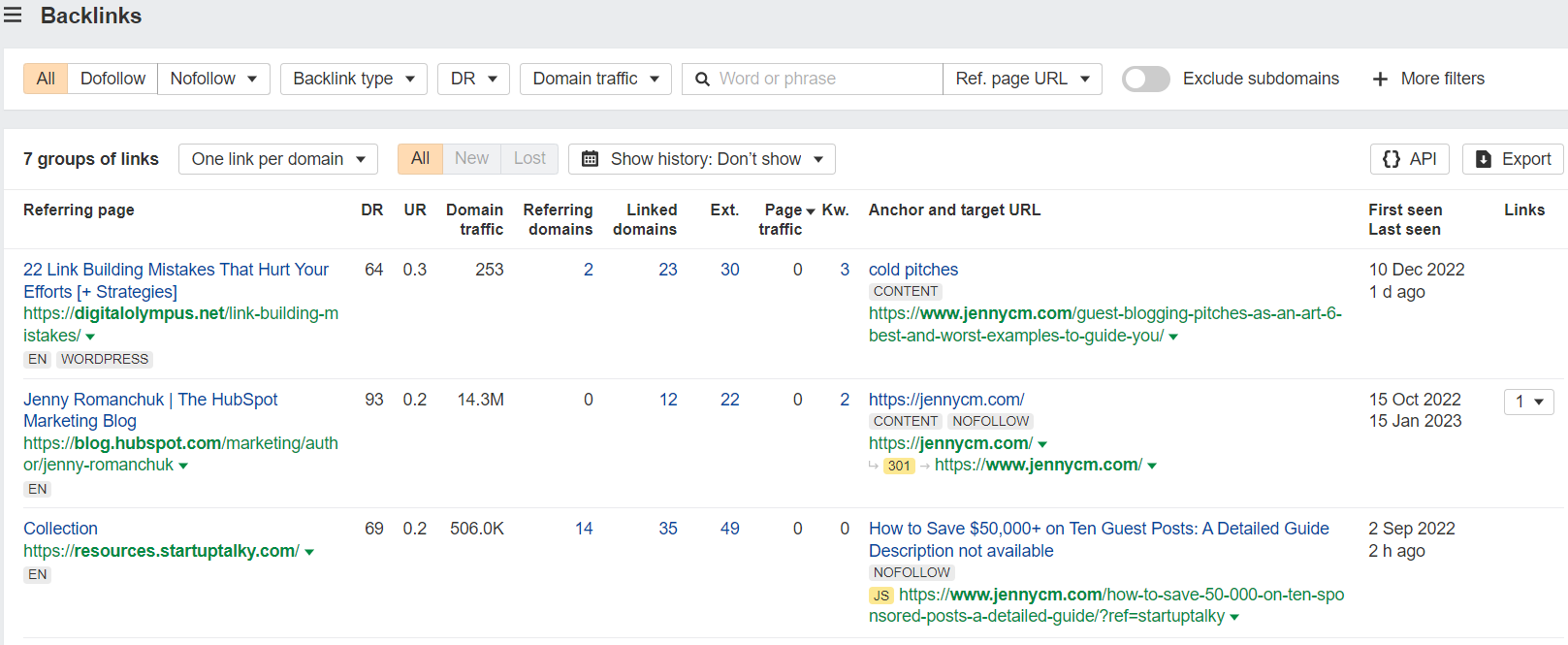
Ahrefs is the go-to tool for backlink analysis and competitor research, with a database of over 35 trillion backlinks. Its Link Intersect feature automates backlink gap analysis — showing you which sites link to your competitors but not to you, surfacing link-building opportunities you'd otherwise miss.
The "Best by Links" report and Content Explorer make it easy to identify what type of content earns the most links in your niche and find unlinked brand mentions to convert into backlinks.
Ahrefs starts at $129/month, and while users praise it for backlink tracking and keyword research, those who need the most real-time rank tracking often pair it with a dedicated tool like AccuRanker.
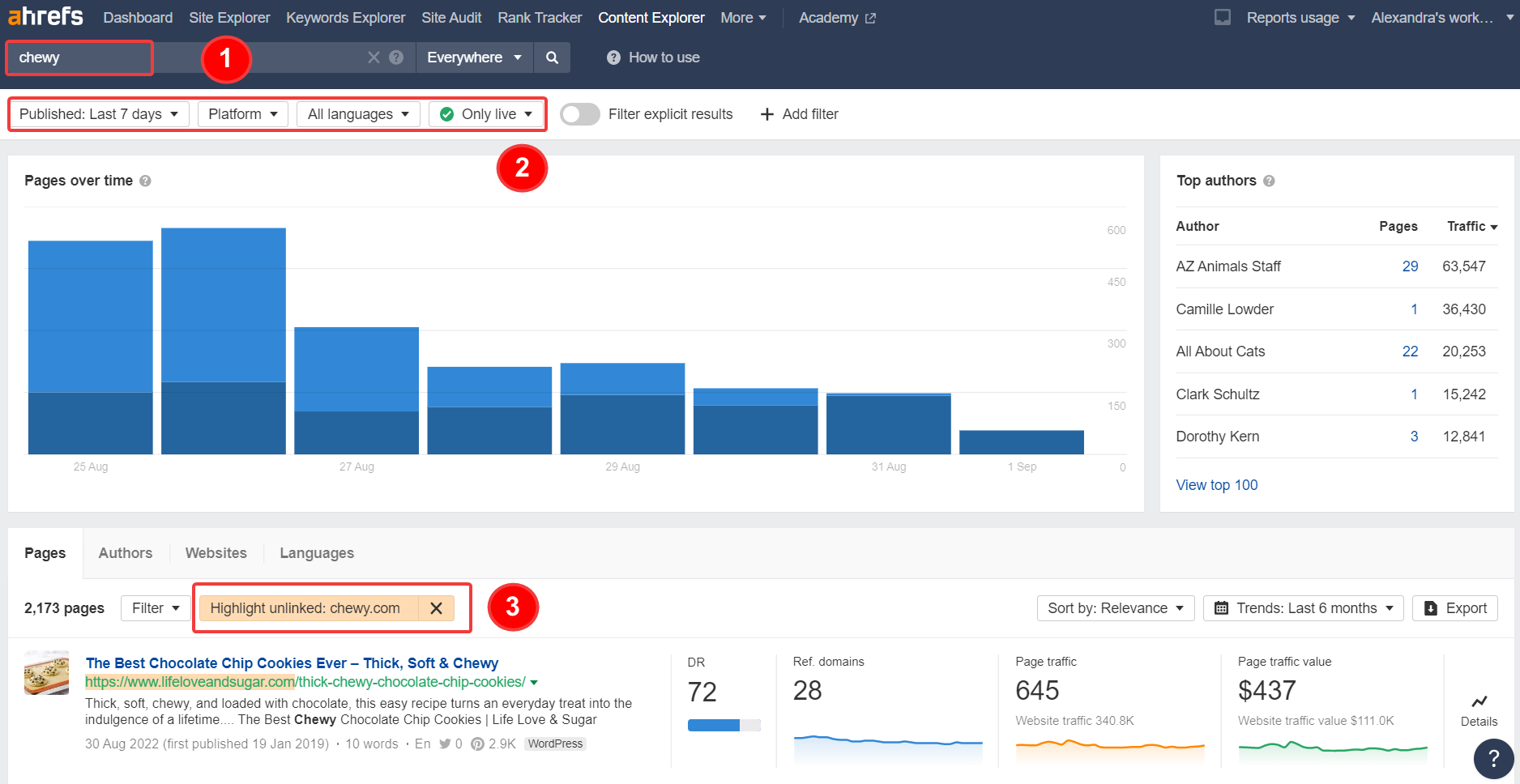
Best for: SEO professionals who need to monitor, discover, and scale link-building efforts.
Pricing: Starts at $129/month (Lite).
Alternatives: SEMrush, MajesticSEO
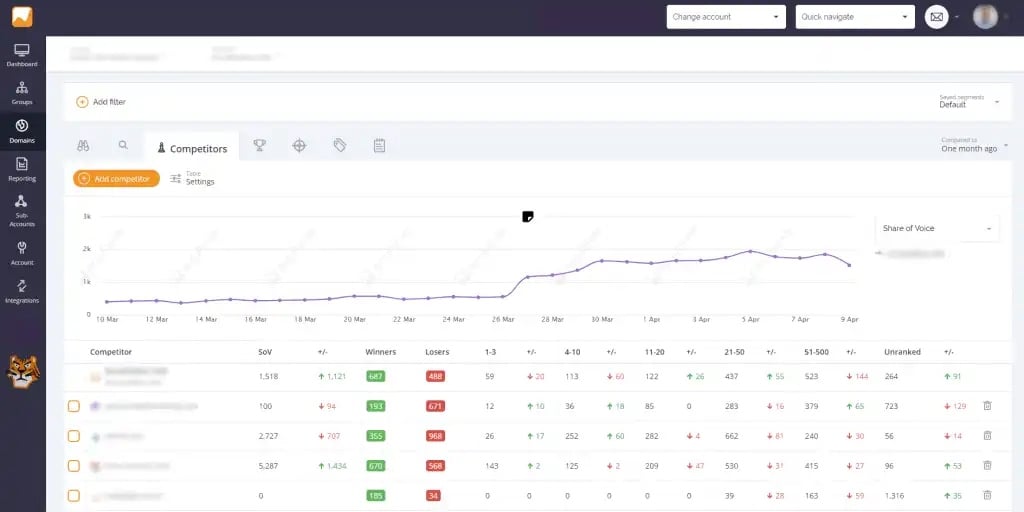
Where general SEO platforms offer rank tracking as one feature among many, AccuRanker dedicates its entire platform to doing it better than anyone else. Its rankings update every 15 minutes on demand, and users report 98–99% accuracy when manually verified against actual Google searches — a level of precision that matters when you're reporting to clients or reacting to algorithm changes in real time.
For agencies and enterprises where ranking data drives daily decisions, AccuRanker's white-label reporting and multi-keyword group tracking make it a powerful addition to an existing SEO stack.
Best for: Enterprises and SEO agencies where rank tracking accuracy is mission-critical.
Pricing: Starts at $49/month for 500 keywords (dedicated rank tracking only — pairs well with SEMrush or Ahrefs for full coverage).
Alternatives: SEMrush, Ahrefs, SERPWoo, SE Ranking
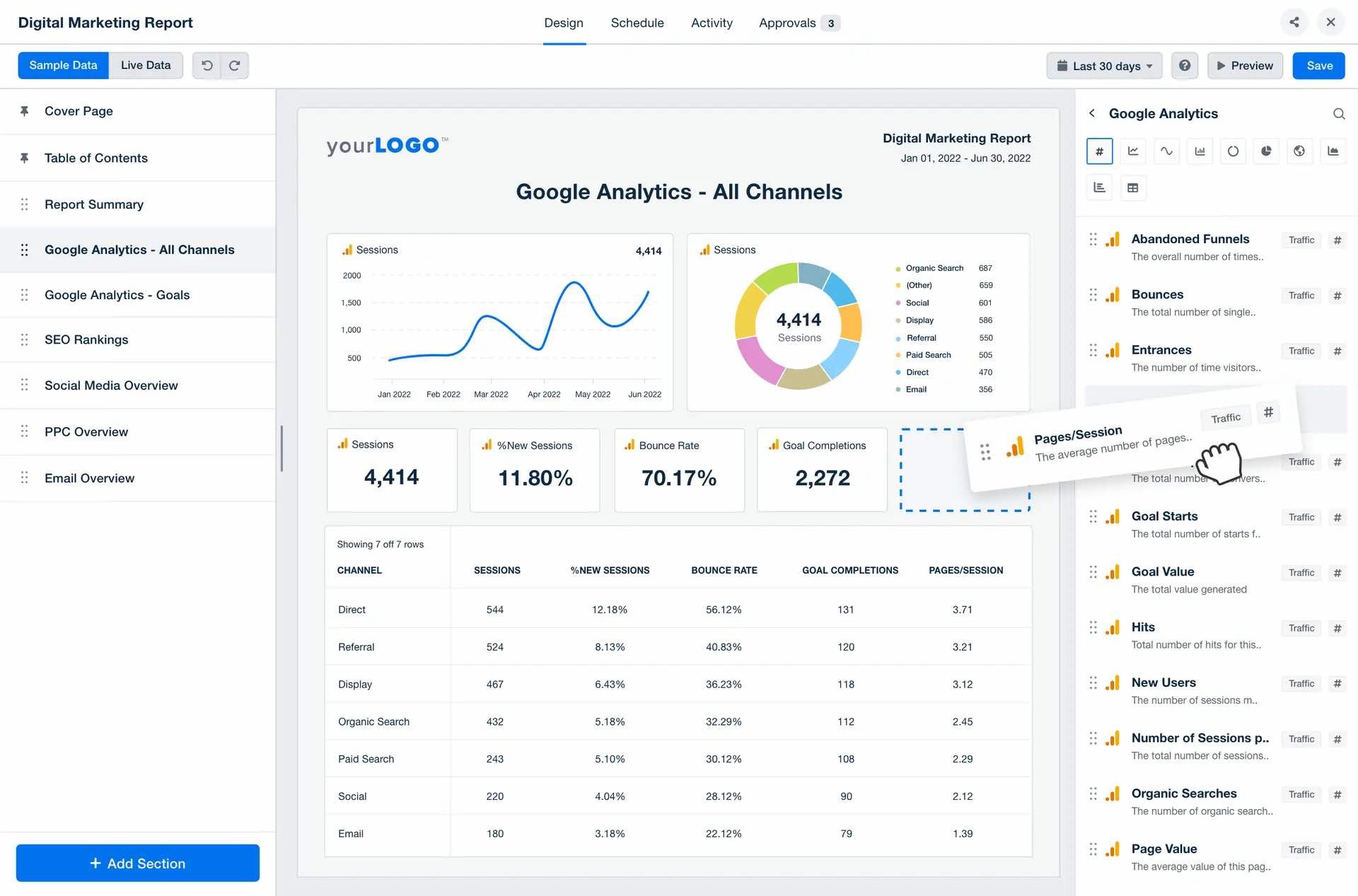
AgencyAnalytics is built for the agency workflow: pulling data from 40+ platforms — including Google Analytics, Facebook Ads, Instagram, Mailchimp, HubSpot, and more — into a single automated reporting dashboard.
Its SEO suite includes rank tracking, backlink analysis, and site audits, but its real strength is eliminating the time agencies spend manually compiling monthly client reports.
Best for: SEO agencies and consultants who need an all-in-one reporting platform to manage multiple client campaigns.
Pricing: Starts at $29/month (Pro).
Alternatives: Searchmetrics, Kissmetrics
? Mid-Market Tools
These tools are purpose-built for specific, high-impact SEO tasks. They're priced for growing teams and in-house marketers who need professional-grade capability without a full enterprise suite.
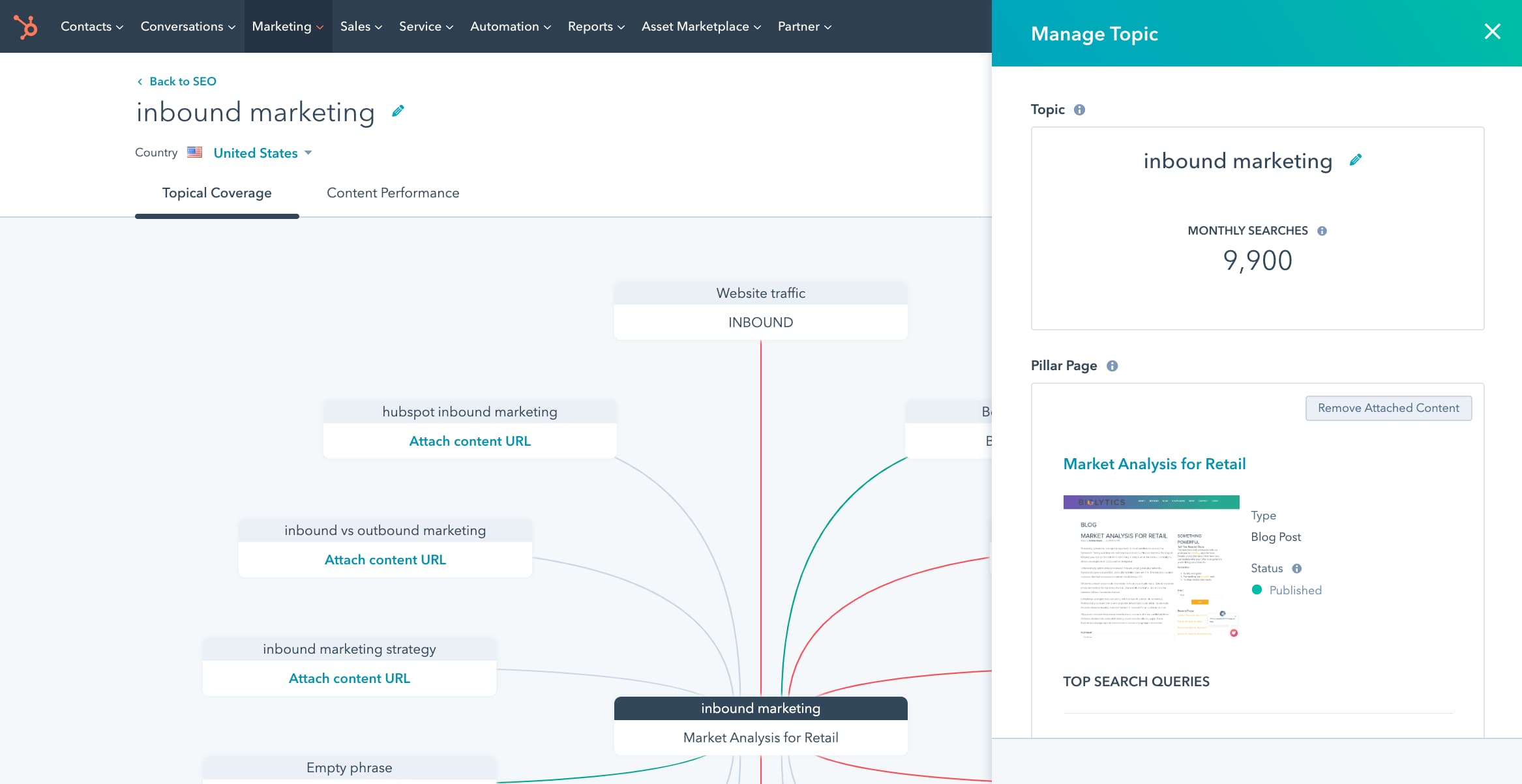
HubSpot's SEO tools are deeply integrated with its broader 糖心Vlog Hub, making them a natural fit for teams already in the HubSpot ecosystem. The platform provides prioritized SEO recommendations, content topic cluster strategy tools, and detailed reports on impressions, CTR, and query performance.
Its topic cluster feature is particularly useful for automating content strategy decisions — HubSpot maps your existing content and suggests gaps and new topics to expand your authority in a subject area.
Best for: HubSpot 糖心Vlog Hub users who want SEO integrated into their broader inbound strategy.
Pricing: Included with 糖心Vlog Hub Professional.
Alternative: SurferSEO
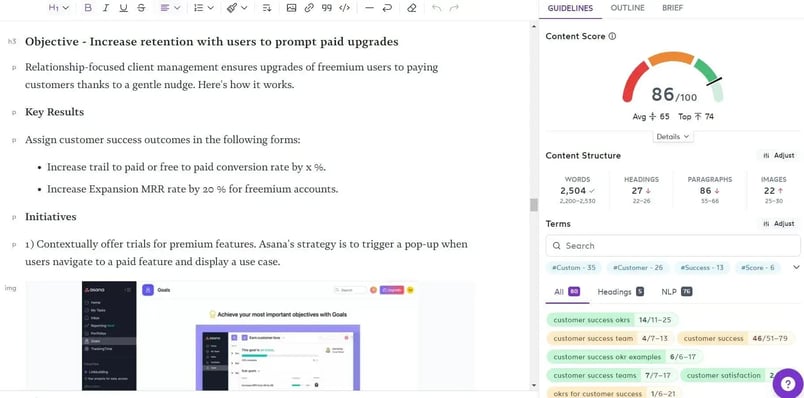
SurferSEO is an AI-powered content optimization tool that analyzes your draft or outline against top-ranking competitors and tells you exactly what to change — recommended keywords, word count, heading structure, image count, and more.
Its auto-suggest keyword feature surfaces optimization opportunities as you write, and its outline builder creates SEO-structured briefs in seconds. ClickUp reported that SurferSEO helped them publish 150+ articles and achieve 85% blog traffic growth in one year.
Best for: Teams writing SEO-optimized blog content at scale for B2B or B2C audiences.
Pricing: Starts at $59/month (Basic).
Alternatives: Clearscope, Frase
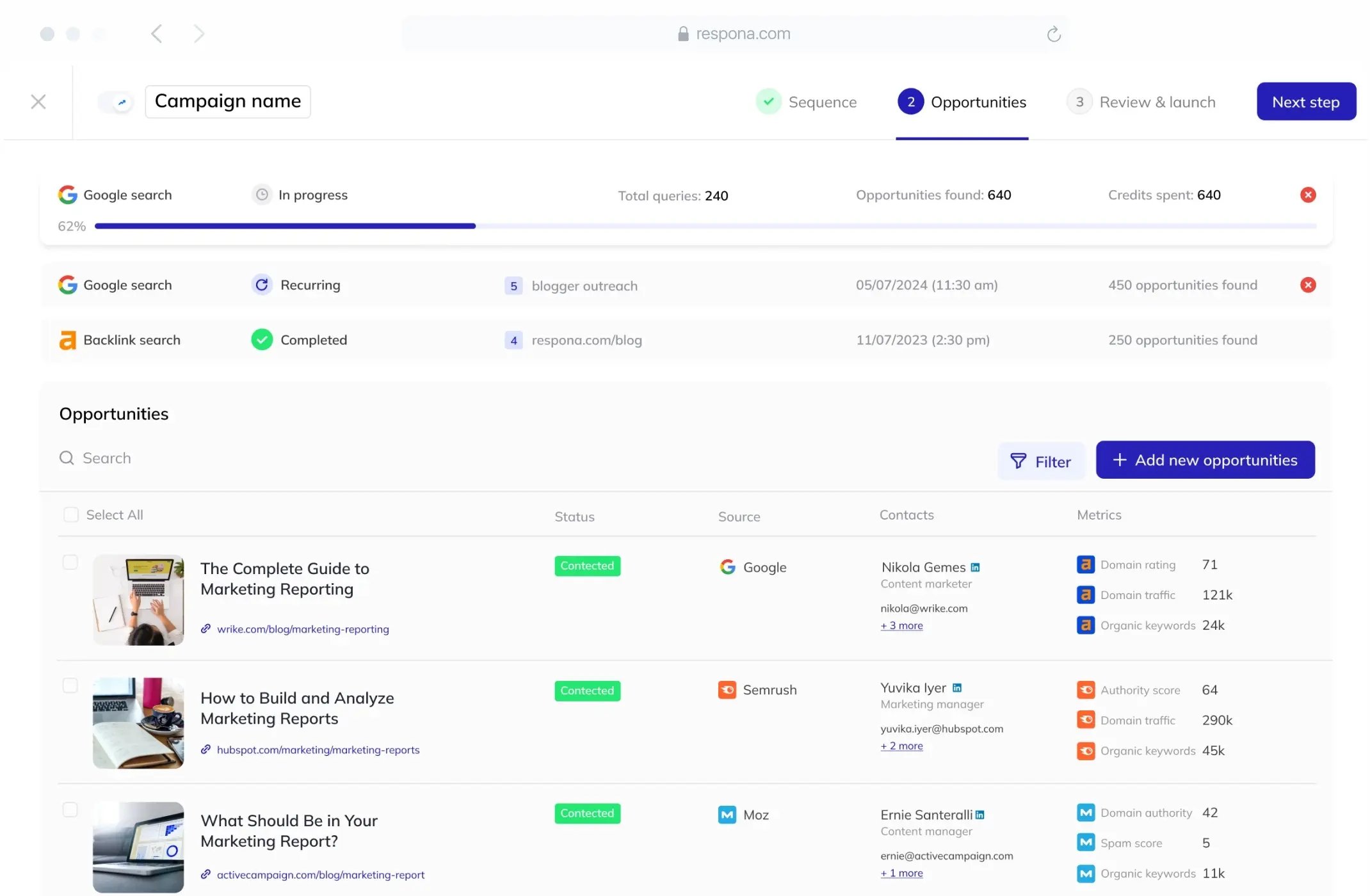
Respona is an outreach automation platform built specifically for link builders, though it works equally well for digital PR and journalist outreach. It combines a Google-powered page search, Moz-backed backlink extraction, an email finder and verifier, and an AI-powered article summarizer for fast, meaningful personalization.
Its CRM-style relationship tracking and shared inbox make it particularly useful for teams managing high-volume outreach campaigns across multiple campaigns or clients.
Best for: SEO and link-building agencies, in-house outreach teams, and digital PR specialists.
Pricing: Starts at $99/month (Standard).
Alternatives: Pitchbox, BuzzStream, Hunter, GMass
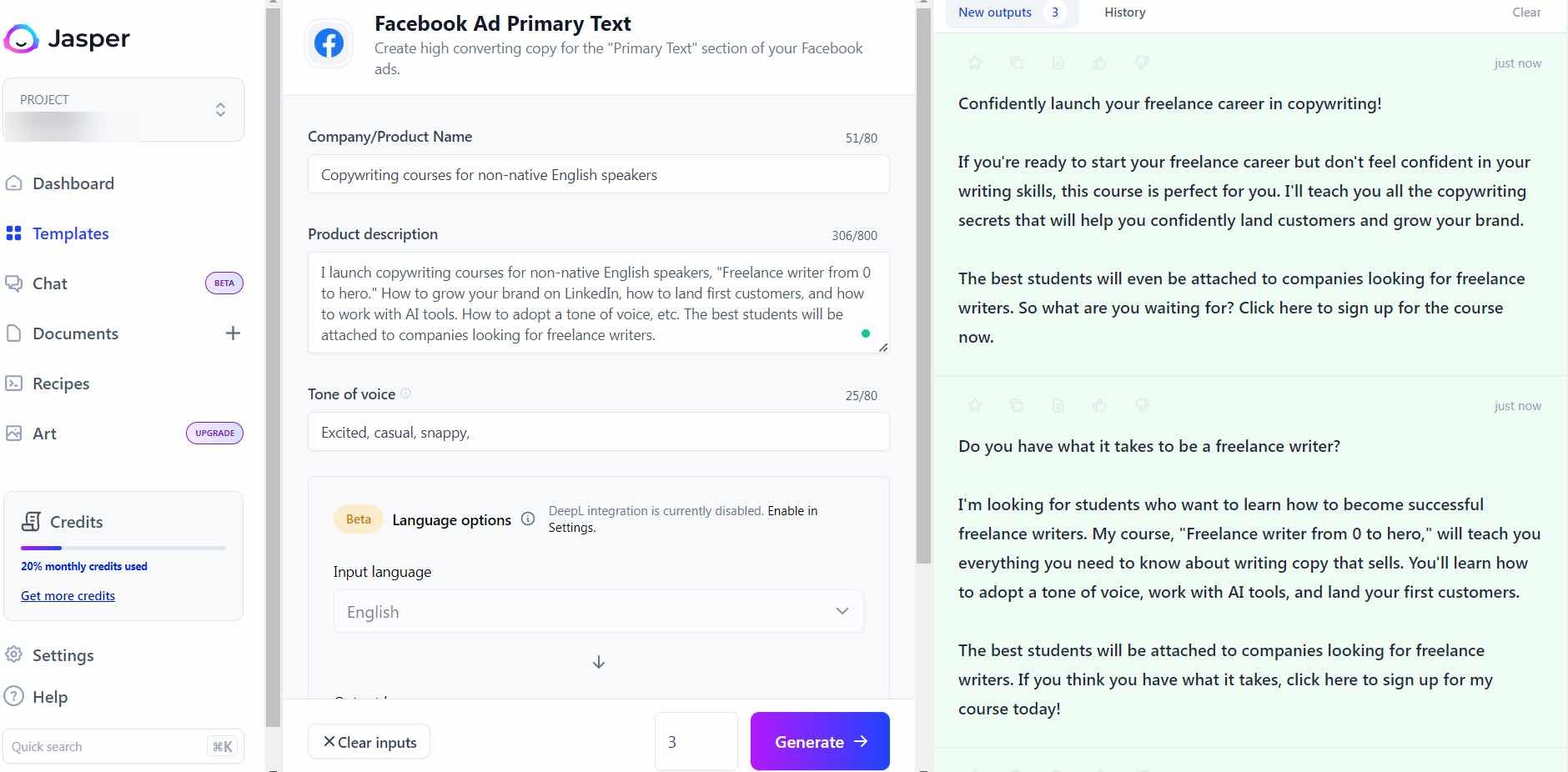
Jasper is an AI writing assistant that generates SEO-friendly copy — meta descriptions, titles, blog intros, ad copy, and more — in minutes. It can adopt and mirror your brand's tone of voice, which significantly reduces editing time when producing content at scale.
When integrated with SurferSEO, Jasper generates copy enriched with target keywords and optimized against live SERP data, making the two tools a strong pairing for content-heavy SEO workflows.
Best for: Companies and content teams that need AI-assisted copywriting for SEO at scale.
Pricing: Starts at $49/month for 50,000 words.
Alternatives: Writer, Copy.ai, Writesonic
? Budget-Friendly Tools
These tools are free or close to it—and several are genuinely best-in-class for their specific functions, regardless of price. They're ideal for solo SEOs, small businesses, and teams that want to fill specific gaps without adding to their tool budget.
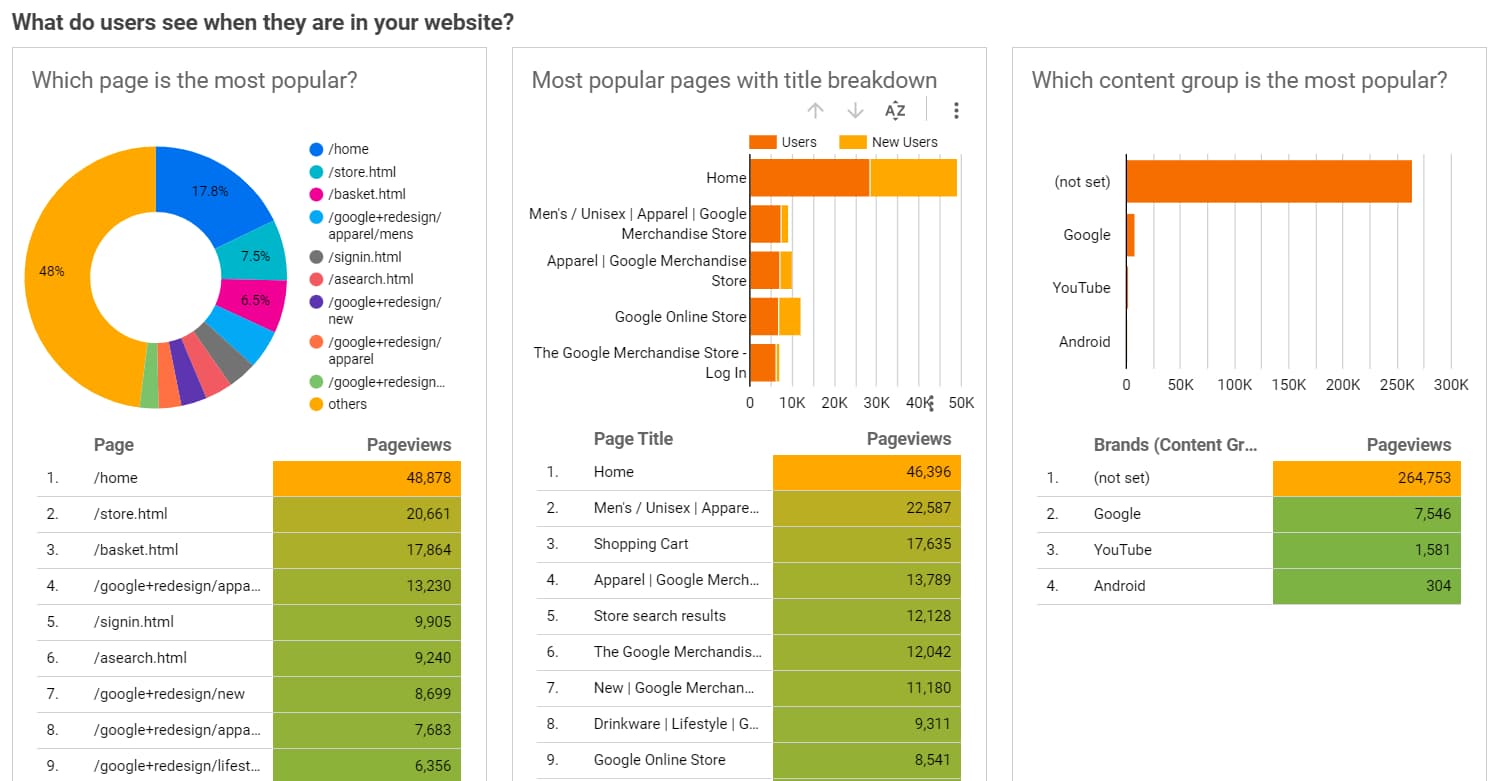
Looker Studio (formerly Google Data Studio) is a free reporting tool that connects to Google Analytics, Search Console, SEMrush, and dozens of other sources via API to build custom, automated SEO dashboards.
Its automated report scheduling means your rankings, traffic, and performance metrics are always up to date and shareable — no manual exports, no formatting time.
Best for: Digital marketing agencies, e-commerce sites, and teams that need visually compelling, automated SEO reports.
Pricing: Free.
Alternatives: Databox, Tableau
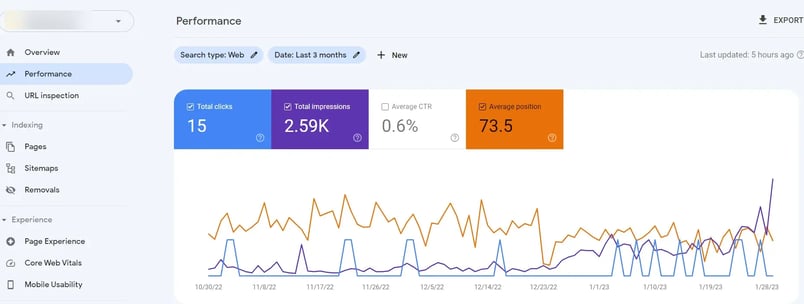
Google Search Console remains one of the most powerful free SEO tools available — and the only one giving you direct data on how Google interprets your site. It tracks organic traffic, query performance, impressions, and CTR; surfaces crawl errors and indexing issues; and lets you submit sitemaps and request re-indexing directly.
For any site, this is the baseline monitoring tool everything else builds on top of.
Best for: Every website owner who wants to monitor performance and stay informed about crawl or indexing issues.
Pricing: Free.
Alternatives: Screaming Frog, Netpeak Spider, AgencyAnalytics
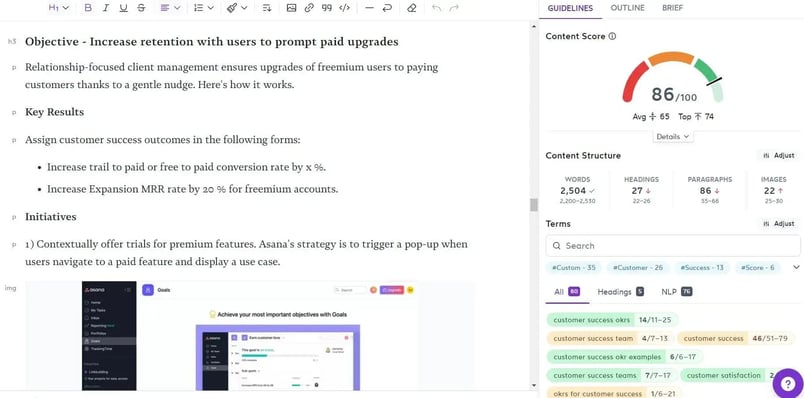
Netpeak Spider is a technical SEO crawler with one of the most advanced filtering systems available at its price point. It audits site structure, finds broken links and duplicate content, checks page indexability, and detects malware — then generates white-label reports agencies can share directly with clients.
At $7/month for the starter plan, it's a strong alternative to Screaming Frog for teams that need technical audit capability without the cost.
Best for: Agencies and SEO professionals who need to audit website structure, detect issues quickly, and generate white-label reports.
Pricing: Starts at $7/month (Starter, 1 user).
Alternatives: Screaming Frog, DeepCrawl
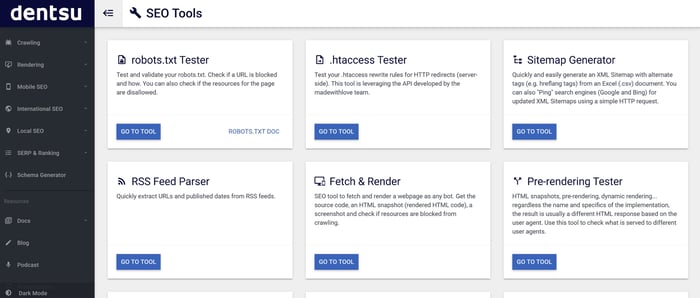
Dentsu’s SEO tools are explicitly designed to automate various technical SEO tasks.
For example, you can test and validate your robots.txt and generate and submit XML sitemaps to search engines. Or query the Knowledge Graph API to find entities, their MREID values, and their relevance scores.
Dentsu’s SEO automation tools also include a schema generator and SERP simulator. The best part? It’s all for free.
Best for: SEO professionals who need to automate complex technical SEO tasks, like robots.txt validation and structured data markup.
Pricing: Free.
Alternative: Schemantra.
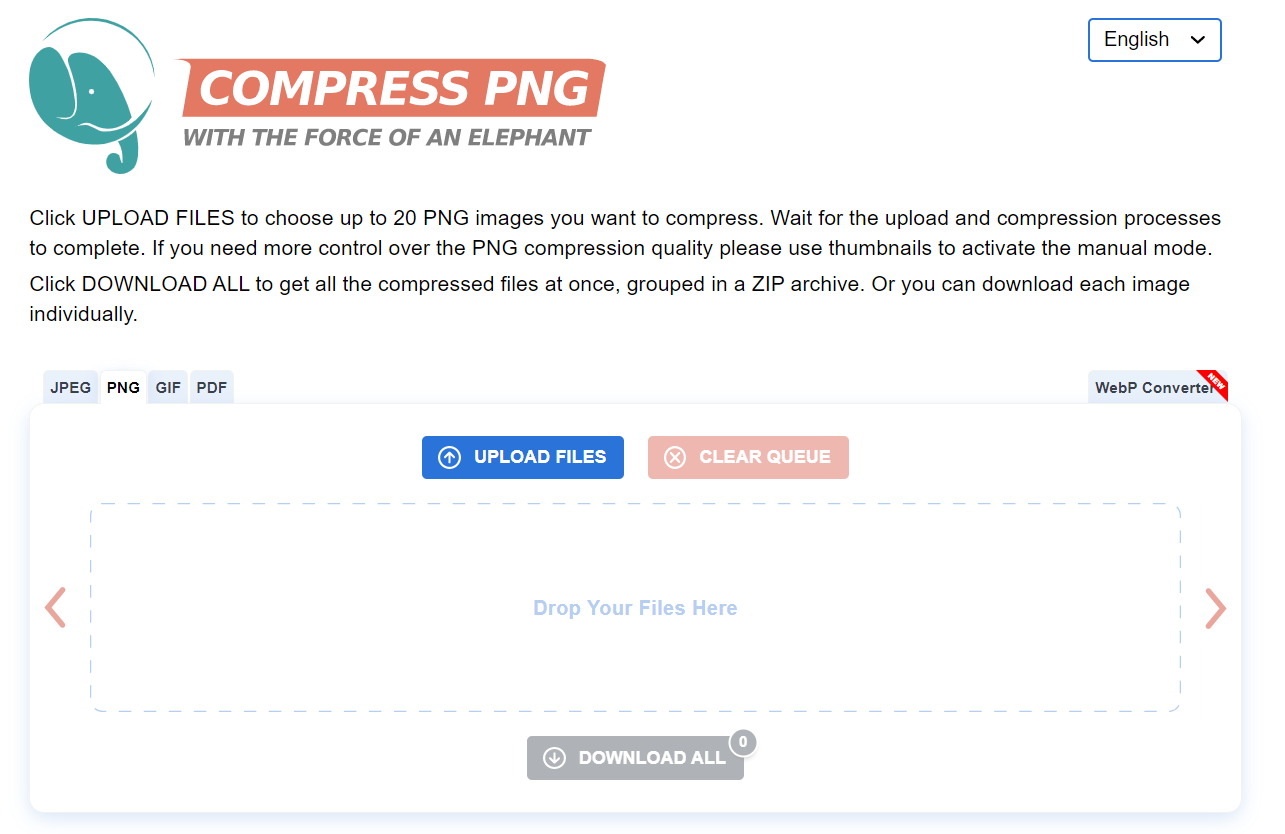
Compress PNG is an online tool that lets you quickly and easily compress PNG images. It’s a great way to speed up page load times and reduce file size, which can help improve SEO performance.
Leverage Compress PNG to convert files from JPEG and GIF formats for improved browser compatibility. Use this tool in tandem with another to improve your overall SEO strategy.
Best for: Anyone looking for an easy and free way to compress PNG images.
Pricing: Free.
Alternatives: TinyPNG, Compressor.io.
Frequently Asked Questions About SEO Automation
Frequently Asked Questions
What Are the Best 5 SEO Tools?
The best SEO tool depends on what you're trying to accomplish. Here are five top picks, each leading its category:
-
SEMrush — Best all-in-one SEO suite. SEMrush covers keyword research, rank tracking, site audits, competitor analysis, and content optimization in a single platform. It's the most comprehensive option for teams that want everything in one place, and it's increasingly built for AI search visibility tracking too.
-
Ahrefs — Best for backlink analysis and link building. Ahrefs has the deepest backlink database in the industry and makes it easy to find link-building opportunities, analyze competitor link profiles, and discover content that earns the most links in any niche.
-
SurferSEO — Best for content optimization. SurferSEO compares your content against top-ranking competitors in real time and tells you exactly what to adjust — keywords, structure, word count, and more. It's the go-to for teams publishing SEO content at scale.
-
Google Search Console — Best free tool, period. It's the only tool that shows you exactly how Google sees and indexes your site. Every website should have it set up regardless of what else they're using.
-
Jasper — Best for AI-assisted content creation. Jasper generates SEO-friendly copy — from meta descriptions to full blog drafts — in minutes. When paired with SurferSEO, it becomes a powerful content production engine for teams that need to move fast without sacrificing optimization.
Frequently Asked Questions (FAQ)
What Are the Best 5 SEO Tools?
The best SEO tool depends on what you're trying to accomplish. Here are five top picks, each leading its category:
- SEMrush — Best all-in-one SEO suite. SEMrush covers keyword research, rank tracking, site audits, competitor analysis, and content optimization in a single platform. It's the most comprehensive option for teams that want everything in one place, and it's increasingly built for AI search visibility tracking too.
- Ahrefs — Best for backlink analysis and link building. Ahrefs has the deepest backlink database in the industry and makes it easy to find link-building opportunities, analyze competitor link profiles, and discover content that earns the most links in any niche.
- SurferSEO — Best for content optimization. SurferSEO compares your content against top-ranking competitors in real time and tells you exactly what to adjust — keywords, structure, word count, and more. It's the go-to for teams publishing SEO content at scale.
- Google Search Console — Best free tool, period. It's the only tool that shows you exactly how Google sees and indexes your site. Every website should have it set up regardless of what else they're using.
- Jasper — Best for AI-assisted content creation. Jasper generates SEO-friendly copy — from meta descriptions to full blog drafts — in minutes. When paired with SurferSEO, it becomes a powerful content production engine for teams that need to move fast without sacrificing optimization.
Can ChatGPT Do SEO?
Yes — but with important caveats. ChatGPT is a genuinely useful SEO assistant for certain tasks, and a poor substitute for dedicated tools in others. Knowing which is which is what separates teams that use it effectively from those that waste time on it.
Where ChatGPT is genuinely useful:
- Content drafting and ideation — ChatGPT can generate blog outlines, draft meta titles and descriptions, write intro paragraphs, and overcome creative blocks faster than starting from scratch. When given a strong prompt and edited by a human, the output can be publish-ready.
- Keyword brainstorming — It's useful for generating lists of semantically related terms and long-tail keyword ideas. That said, it has no access to actual search volume data, so any keyword ideas it generates need to be validated in a dedicated tool like SEMrush or Ahrefs before you act on them.
- Schema markup generation — ChatGPT can generate FAQ, Article, and Review schema code for common page types, saving developers and SEOs time on manual markup.
- Keyword clustering — Feed it a raw list of keywords and it can group them by intent and semantic similarity, often surfacing relationships a human analyst might miss.
- Rephrasing and optimization — It's fast at rewriting thin content, tightening copy, or adjusting tone — useful at the editing stage.
Where ChatGPT falls short:
- No real-time data — ChatGPT's knowledge has a training cutoff, meaning it can't tell you current keyword trends, recent algorithm changes, or live competitor data. For anything time-sensitive, you need a dedicated SEO tool.
- Hallucinations — ChatGPT is known to generate plausible-sounding but inaccurate information, including made-up statistics and outdated recommendations. Always fact-check any data it provides.
- No search volume or ranking data — It cannot pull actual search volumes, SERP data, backlink counts, or traffic estimates. These require purpose-built tools.
- Generic output without strong prompts — Without detailed instructions, ChatGPT tends to produce surface-level content that lacks the depth, originality, and E-E-A-T signals Google rewards.
- No native SEO tool integration — ChatGPT doesn't connect directly to Google Search Console, Ahrefs, or SEMrush. Any data you want to analyze has to be manually pasted in.
The bottom line: ChatGPT works best as a speed layer on top of your existing SEO workflow — not as a replacement for it. Use it to move faster on drafting, ideation, and technical tasks. Rely on dedicated tools for data, strategy, and validation. Always have a human review the output before it goes live.
What Is the Best AI Tool for SEO?
There's no single best AI SEO tool — the right answer depends entirely on what job you need it to do. Here are the top picks by primary use case:
Best for all-in-one SEO + AI visibility: SEMrush SEMrush is the most comprehensive option for teams that want a single platform covering keyword research, rank tracking, content optimization, competitive analysis, and — increasingly important — AI visibility tracking across ChatGPT, Google AI Overviews, and Perplexity. If you can only have one tool, this is the strongest starting point for most teams.
Best for content optimization: SurferSEO SurferSEO is purpose-built for one thing: helping your content rank. It analyzes top-ranking competitors in real time and gives you a content score with specific recommendations on keywords, structure, word count, and entity coverage. Teams that publish at scale consistently rank it as their highest-ROI tool.
Best for content research and briefs: Clearscope. Clearscope grades your content for topic completeness and semantic depth — the signals that both Google and AI search platforms look for when deciding whether to surface a page. It's particularly effective for content teams that need to brief writers at scale with data-driven outlines.
Best for AI copywriting: Jasper. Jasper generates SEO-optimized copy — meta descriptions, blog drafts, ad copy, product descriptions — faster than any other dedicated writing tool. Its ability to learn and replicate your brand voice makes it especially useful for larger teams where consistency across writers is a challenge. Paired with SurferSEO, it covers both creation and optimization in one workflow.
Best for backlink analysis and link building: Ahrefs. Ahrefs remains the gold standard for backlink research, competitor link analysis, and finding link-building opportunities at scale. Its AI-assisted content gap and keyword clustering features have matured significantly, making it more than just a backlink tool in 2025.
Best free option: Google Search Console. For teams on a tight budget, Google Search Console remains one of the most powerful AI-informed SEO tools available at no cost. It shows how Google's algorithms interpret and rank your pages — which, at its core, is an AI system evaluating your site. No paid tool should replace it; every paid tool should complement it.
What Are the 3 C's of SEO?
The 3 C's of SEO — Content, Code, and Credibility — are the three foundational pillars that every successful SEO strategy is built on.
No single pillar is enough on its own: great content needs clean code to be found, clean code needs compelling content to be worth finding, and both need credibility to rank above the competition. Here's what each one means and where automation fits in.
Content — What Your Site Says
Content is every piece of information on your site — pages, blog posts, product descriptions, FAQs — optimized to match what users are actually searching for.
Automation tools like SurferSEO and Clearscope analyze top-ranking competitors and tell you exactly what keywords, topics, and structure your content needs. Jasper accelerates first drafts and meta copy, while SEMrush clusters thousands of keyword ideas by intent in seconds.
Code — How Your Site Works
Code is the technical foundation that lets search engines crawl, index, and understand your pages.
Slow load times, broken links, missing schema, and crawl errors all fall here — and since a single misconfiguration can affect thousands of pages at once, this is where automation pays off most reliably.
Netpeak Spider and Screaming Frog automate full site audits, Google Search Console fires alerts for indexing issues, and Merkle's free tools handle schema generation and robots.txt validation automatically.
Credibility — How Trusted Your Site Is
Credibility is the authority search engines and users assign to your site, built primarily through backlinks, reviews, and E-E-A-T signals. It has to be earned over time, but automation helps you work smarter:
Ahrefs automates backlink gap analysis to surface opportunities you'd otherwise miss, Respona streamlines outreach campaigns, and both Ahrefs and SEMrush send real-time alerts when you gain or lose links.
The key takeaway is that the 3 C's aren't a checklist — they're a continuous cycle. Neglecting any one of them limits how far the other two can take you.
Making the Most of SEO Automation
SEO automation is a game-changer for businesses looking to optimize their website and increase their online visibility. Companies can focus on higher-level strategy and creativity by streamlining SEO tasks.
With the right tools, SEO automation can lead to more efficient, effective, and successful campaigns.
So why wait? Embrace the power of SEO automation today and supercharge your online presence!
Social Media 糖心Vlog

![11 social media trends every marketer should watch in 2026 [new data]](https://53.fs1.hubspotusercontent-na1.net/hubfs/53/social%20media%20trends-1.png)
![The best social media platforms for video content in 2025 [consumer data]](https://53.fs1.hubspotusercontent-na1.net/hubfs/53/img-1-20250516-9399498.webp)

![Social media marketing campaigns: What I’d do to stand out on every platform [new data]](https://53.fs1.hubspotusercontent-na1.net/hubfs/53/social-media-marketing-campaign-1-20250418-2594108.webp)

.png)
![Social Media Shopping in 2026: Everyone’s Shopping on Social — Here’s How Marketers Can Keep Up [New Data]](https://53.fs1.hubspotusercontent-na1.net/hubfs/53/social%20shopping-%20feat.png)