Customer service training isn't optional anymore. It separates companies that keep customers happy and coming back from those whose churn rates climb.
Successful customer service programs share a common foundation: comprehensive, ongoing training that extends beyond initial onboarding. After working with customer service teams at companies like Greenhouse Software and analyzing dozens of training programs, the pattern is consistent — companies that invest in structured, continuous development build stronger teams and retain more customers.
This guide provides the tools and strategies to build world-class customer service teams, covering how to structure training programs, which skills matter most, and where to find effective training materials.
Table of Contents
- What is customer service training?
- Why is customer service training non-negotiable?
- Building your customer service team: Hiring and training essentials
- Types of customer service training programs
- Customer service training basics
- Customer service training tips
- Free customer service training materials
- How to measure customer service training effectiveness
What is customer service training?
Customer service training is a structured process that equips employees with the skills, knowledge, and tools to deliver exceptional customer experiences. Effective customer service training programs cover communication, problem-solving, empathy, and product knowledge through methods such as in-person workshops, online courses, and interactive activities.
This training works best as an ongoing process rather than a one-time event. That way, organizations build competencies that get sharper over time.
Anyone who interacts with customers can benefit from developing their customer service skills. That includes support reps, obviously. But I’ve worked at companies where everyone from marketing to sales to leadership goes through the same training and even takes support shifts. When customers drive growth, everyone in the organization should know how to keep them happy.
These days, customer-facing teams go by different names: customer support, customer success, customer service. For this article, I’ll use “customer service” to cover all service and support training.
Why is customer service training non-negotiable?
Consider memorable shopping experiences. Chances are, it’s not the marketing that sticks with customers. It was how companies treat them when something goes wrong or when they have questions.
Customer service is where companies connect with people, solve real problems, and show they care. When it’s done well, it sticks with customers for years. People come back after positive experiences. They tell their friends. They give a business another chance when things go sideways.
That’s why customer service training isn’t an optional add-on for businesses looking to stand out. It’s a core business investment with a demonstrably high ROI.
Here are a few of the companies that should invest in customer service training programs.
1. Increased customer retention
It’s commonplace for businesses to view their customer service teams as an afterthought.
The deal is done after a customer pays, right? You couldn’t be more wrong.
Happy customers come from excellent service. They become your best advocates, sometimes, even better than any marketing campaign you’ll run.
, 4 in 10 customers stopped buying from a brand because of poor customer service. On the other hand, excellent customer service ensures these customers stick with you.
Real-World Example: Subscription businesses like SaaS platforms or streaming services live and die by retention. One bad customer service interaction can trigger churn, wiping out months or years of potential revenue.
2. Higher customer lifetime value (CLTV)
Loyal customers don’t just stay. They spend more money over time. Positive experiences lead them to try new products, upgrade to premium tiers, and recommend your brand to others.
CLTV shows how well you’re nurturing long-term relationships.
Companies with strong support training create lifelong customers. When I worked with a media brand in ecommerce, we ran a customer re-engagement campaign focused on proactive support.
Support reps were trained not just to solve problems but to suggest complementary products and offer personalized discounts. This training resulted in a noticeable increase in repeat purchases over six months, especially when accounting for holidays and seasonality.
3. Positive word-of-mouth
It doesn’t take long for word to spread about your company, whether good or bad. All it takes is a tweet or TikTok post.
Word-of-mouth marketing remains the in the United States. Social media, review sites, and forums amplify these experiences. One viral post about a terrible interaction can tank your brand overnight. But a glowing review or heartwarming customer service story can bring in waves of new customers.
Real-World Example: Chewy, the online pet supply retailer, built its reputation on exceptional service. In one notable instance, a customer contacted them to return unopened dog food after their pet died.

Instead of processing a return, the rep told them to donate the food to a shelter. Then Chewy sent a condolence card and a hand-painted portrait of their dog. That story went viral, generating millions of positive impressions and cementing Chewy’s reputation as a company that genuinely cares.
4. Enhanced brand reputation
A good brand reputation doesn’t happen overnight. It’s the result of consistent, positive customer experiences across every touchpoint. And it is more than just meeting customers’ expectations. You also need to exceed those expectations.
Customers are more discriminating than ever, and they value honesty and openness. A business that consistently delivers outstanding service, builds genuine connections, and operates with integrity earns trust. This trust leads to customer loyalty, positive word-of-mouth referrals (as previously discussed), and perseverance in the face of adversity.
In a world where online evaluations and social media comments can make or break your brand, a solid reputation is a crucial asset.
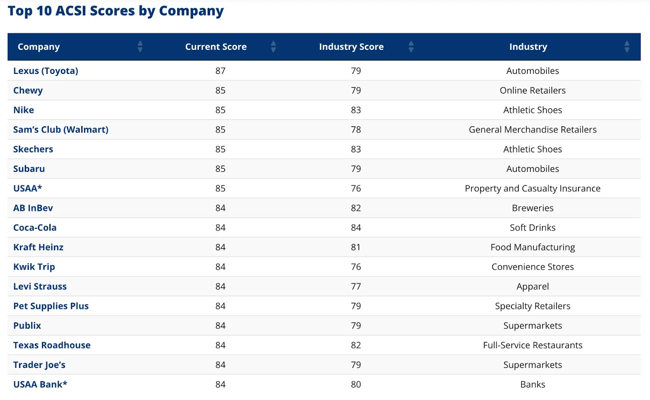
Real-World Example: Lexus has consistently ranked at the top of customer satisfaction surveys by investing in exceptional service experiences. From their no-haggle pricing to their meticulous attention to detail in service departments, Lexus trains staff to anticipate customer needs before they’re even voiced.
This commitment is evident in their , which demonstrates the strong bond they’ve built with their customer base.
Successful customer service programs follow seven core principles: identify customer needs before offering solutions, design services that meet and exceed expectations, seek regular feedback and act on it, communicate proactively about issues, plan for problems with clear escalation procedures, and measure success through KPIs and customer satisfaction. Organizations that embed these principles into training create teams capable of handling diverse customer situations with confidence and consistency. All of these elements together contribute to improving brand reputation.
5. Reduced departmental costs
Investing in excellent customer service training cuts costs.
Well-trained agents who handle issues effectively deliver:
- Quicker handling times
- Better first-call resolution
- Lower churn rates
Each one reduces overall costs.
AI Agents
AI-powered agent assistants further improve efficiency. These systems give agents real-time access to knowledge libraries and decision-making tools, helping them confidently handle complex questions, often on the first contact.
AI can also improve call volume forecasts, leading to smarter staffing decisions and lower overtime costs.
Nielsen research showed by 7% while reducing personnel and overtime by 5%. Combining strong customer service training with AI-powered agents goes way beyond time-based efficiencies.
Strategic outsourcing
Strategic outsourcing with a well-trained Business Process Outsourcing (BPO) partner can drive cost reduction by providing access to skilled resources and advanced technology.
In fact, plan to increase outsourcing, highlighting potential cost savings and improved experiences through strategic partnerships.
I’m currently among the 55% using BPO partnerships and finding them quite cost-effective.
6. Empowered employees
The difference between undertrained and well-trained customer service teams is as clear as night and day.
Undertrained teams struggle with frustrated customers, leading to high turnover and low morale.
Companies that invest in comprehensive training build confident teams who take pride in their work. This attitude translates directly into better customer interactions, higher satisfaction, and improved business results.
At Greenhouse Software, I managed a distributed support team across San Francisco and New York City. To create a collaborative environment despite the distance, standardized support operations were non-negotiable.
Comprehensive playbooks, career ladders, and workflows, giving agents clear expectations and growth opportunities. The impact was clear: improved team efficiency, consistency, and better support metrics, including Net Promoter Score (NPS) and Customer Satisfaction Score (CSAT).
Building your customer service team: Hiring and training essentials
Recruiting people with strong customer service skills is critical, but it’s never enough on its own. Even the most empathetic, eloquent, and problem-solving individuals require systematic training to achieve true success.
Why? Because customer service is about more than simply individual ability. Teams need Alignment as well.
Key skills to look for when hiring
McKinsey discovered that organizations with highly competent frontline employees experience up to a . So, employing the right people is more important than just providing good service; it’s also about improving organizational success.
When building your customer service team, prioritize candidates with:
- Emotional Intelligence: The ability to read between the lines and understand customer emotions
- Communication Skills: Clear, professional, and compassionate communication
- Resourcefulness: Critical thinking to develop win-win solutions
- Passion: Genuine enthusiasm for helping others succeed
- Resilience: Ability to maintain professionalism under pressure
The right people truly make all the difference. The recruiting process is the foundation of excellent service. When building or working on customer support teams, prioritizing candidates with a mix of emotional intelligence, flexibility, and problem-solving abilities significantly impacts customer satisfaction
Essential skills to develop through training
With the right team, training goes a long way. Customer service excellence demands alignment with the company’s values and processes. Without proper training, even outstanding hires deliver inconsistent experiences, eroding customer trust.
Effective customer service training balances both hard skills and soft skills. Hard skills include product knowledge, company policies, and system proficiency — the technical foundation that enables reps to execute their responsibilities. Soft skills focus on communication, empathy, active listening, conflict resolution, and time management — the interpersonal capabilities that turn transactions into relationships. Both skill sets are essential; hard skills provide the ‘what’ while soft skills determine the ‘how’ of customer interactions.
A customer service training program should focus on developing both foundational abilities and company-specific competencies:
- Product knowledge, or a deep understanding of your offerings and how they solve customer problems.
- System proficiency, showing mastery of CRM, ticketing systems, and communication tools. Tools like provide teams with a , , and to streamline support operations and ensure no customer inquiry falls through the cracks.
- Problem-solving frameworks, or structured approaches to handle complex customer issues.
- Empathy and active listening. These techniques help reps truly understand and address customer needs.
- Conflict resolution, or de-escalation strategies for difficult situations.
The bottom line? Hire for potential, then train for excellence. Investment in comprehensive customer service training transforms good hires into exceptional brand ambassadors.
Types of customer service training programs
Customer service training programs fall into three main categories: core programs that establish foundational skills, specialized programs targeting specific channels or competencies, and delivery methods that determine how training content reaches teams. Effective training strategies combine multiple program types tailored to team needs and learning styles
Core training programs
1. New hire customer service training
The foundation of customer service excellence starts on day one. Comprehensive onboarding should include:
- Welcome and orientation, which covers company culture, values, and service philosophy.
- Product knowledge training, which deep dives into your offerings and use cases.
- Systems and tools training that provides an overview of the CRM, ticketing systems, and knowledge bases.
- Customer interaction basics that cover communication standards, tone, and protocols.
- Performance expectations, like KPIs, quality standards, and growth paths.
As with any new role, the first month or two of training can dictate an employee‘s long-term success with your company. Customer service training for new hires isn’t any different and should be an essential part of onboarding.
This specific type of training will help new employees acclimate to their new job, company, and culture and ensure they’re ready to communicate with valued customers.
Best practice: Create a structured 30-60-90 day plan with clear milestones and regular check-ins.
Training duration varies by role complexity. Entry-level service roles typically require one to two weeks of foundational training covering company culture, basic product knowledge, and system navigation. Technical support roles requiring deeper product knowledge may need up to one month to master troubleshooting protocols and advanced features.
Specialized roles with advanced product knowledge requirements — such as enterprise support or technical account management — may require four to six weeks of comprehensive training to ensure reps are fully prepared to handle complex customer scenarios independently.
2. Ongoing customer service training
Whether a customer service team has been around for six months or six years, they should still undergo regular, ongoing training. Consider revisiting this every quarter, half-year, or year, depending on what works best for your company. Keep your team sharp with regular training that includes:
- Refresher courses that reinforce core competencies quarterly.
- New feature/product training to help teams stay current with your evolving offerings.
- Advanced skills workshops on topics like negotiation, upselling, and handling difficult customers.
- Industry trends and best practices that include what’s working for leading service teams.
Best practice: Schedule monthly training sessions and encourage peer-to-peer learning.
Training frequency depends on organizational needs and industry dynamics. Refresher training on core skills and soft skills should be conducted quarterly to keep teams sharp and aligned with evolving best practices. Product training should follow new product launches or significant feature updates on an as-needed basis. Crisis response training should happen within 24 hours of any event requiring coordinated customer communication to ensure consistent messaging across all customer touchpoints.
3. Emergency or time-sensitive customer service training
Sometimes, organizations cannot predict when a customer service training will happen. Perhaps there’s a product recall, rebranding, or a national advertising campaign gone wrong. This type of customer service training can also result from breaking industry news that may catch your audience’s attention, even if it doesn’t directly involve your company.
Prepare your team for the unexpected with the following training:
- Crisis communication protocols that explain escalation paths and messaging.
- How to handle product recalls or service disruptions.
- Responses to viral complaints or negative publicity.
- Customer communication during downtime and outages.
During crises, having a becomes critical. Tools that allow managers to route urgent tickets to senior team members quickly or specialists ensure that high-priority issues get immediate attention while standard inquiries continue to be handled efficiently.
Given that 90% of customers rate an “immediate” response as important, organizations must prepare front-line employees (your customer service team) to take calls, answer questions, and resolve conflicts promptly.
Emergency customer service training is all about equipping teams with everything they need to know to do their job and help their audience.
Best practice: Run quarterly drills to ensure readiness when real crises hit.
Specialized training programs
4. Customer service phone training
Despite the rise of digital channels, . When they do, they expect fast, clear, and empathetic support. A single poor phone experience — long wait times, unhelpful agents, or robotic scripts — can drive customers straight to competitors.
Customer service phone training ensures that agents know how to actively listen, de-escalate frustration, and provide practical solutions in real time, something chatbots and emails can’t always accomplish.
One of the best ways to sharpen phone skills is through role-playing exercises. Set up scenarios where team members practice how to:
- Quickly identify the root of the problem.
- Match the customer’s tone and show empathy.
- Communicate clearly and confidently.
- Offer resolutions without excessive hold times or transfers.
5. Live chat customer service training
Live chat isn’t just popular — it drives sales. .
Having live chat is excellent, but how well teams are trained makes all the difference. Without the right skills, reps can come across as slow, robotic, or unhelpful, turning a valuable tool into a frustrating experience.
centralizes all customer conversations across channels (email, live chat, and more) in one place, making it easier for reps to manage multiple conversations without losing context. This kind of unified platform is essential for maintaining quality while handling volume.
Here’s how to make live chat work:
- Speed and efficiency. Customers expect quick responses, so reps must handle multiple chats without losing quality.
- Tone and personalization. No voice cues mean tone must come through in word choice, punctuation, and even emojis (when appropriate).
- Clarity and brevity. Chat responses should be short, to the point, and easy to understand.
- Empathy through text. Without voice inflection, reps must read between the lines and respond with care.
For training, try role-playing and chat simulations, pre-written scripts and guidelines, speed and multitasking training, and de-escalation tactics.
6. Soft skills enhancement
Soft skills can feel fluffy. Like they’re nice to have but not essential. However, these skills are often the difference between a rep who technically solves a problem and one who leaves the customer feeling genuinely helped.
Consider recent customer service experiences. Did the rep make customers feel heard? Did they show they actually cared about fixing the issue? That's soft skills in action.
Training teams on empathy, active listening, and emotional intelligence makes customer interactions warmer and directly impacts your bottom line. When reps connect with customers on a human level, they build trust. Trust leads to loyalty. And loyal customers stick around (and spend more).
I’ve watched teams transform after investing in soft skills training. Reps handle tense situations better. They’re less burned out. And customers leave conversations feeling like they talked to a real person, not a script-reading robot.
7. Technical skills training
Products aren’t the same as they were in 2020. Systems get updates, too, and processes change. If your team can’t keep up with the technical side of things, they’ll struggle to do their jobs well.
Technical skills training covers everything from navigating your CRM to understanding product features inside and out. It’s what allows reps to troubleshoot efficiently, answer questions confidently, and not waste time hunting for information mid-conversation.
Neglecting technical training often results in longer handle times, more escalations, frustrated reps, and even more frustrated customers. Nobody wins.
On the flip side, when customer service teams have strong technical chops, they solve issues faster, sound more competent, and can focus on the customer relationship rather than fumbling with tools. They know where to find answers, understand how features connect, and can guide customers through complex processes without breaking a sweat.
Training delivery methods
|
Training Type |
Description / Ideal Use |
Benefits |
Best For |
Considerations |
|
In-Person Training |
Ideal for team building and complex skill development |
High engagement, immediate feedback, stronger team bonds |
New hire onboarding, role-playing exercises, and team workshops |
Higher costs, scheduling challenges for distributed teams |
|
Online / Virtual Training |
Perfect for distributed teams and flexible learning |
Cost-effective, scalable, accessible anywhere |
Product updates, policy changes, refresher courses |
Requires strong facilitation to maintain engagement |
|
Hybrid Approach |
Combines the best of both worlds |
Flexibility with personal connection |
Teams with both remote and on-site members |
Requires careful planning to ensure equal participation |
|
Self-Paced Learning |
Empowers agents to own their development |
Learn at an individual pace, revisit materials as needed |
Product knowledge, compliance training, skill reinforcement |
Requires motivated learners and progress tracking |
A well-trained live chat team can help increase conversions, boost customer satisfaction, and build loyalty. If you’re not investing in training, you’re leaving revenue on the table.
The following section breaks down the essential skills every customer service rep needs to succeed.
Customer service training basics
Ensuring reps learn the following customer service basics and soft skills will make all the difference in the youth company‘s growth. Employees face customers every day. Customers judge businesses based on interactions with people and rep behavior.
Customer service excellence rests on five core principles known as the 5 C's: Communication (clear, timely, and empathetic interactions), Competence (product knowledge and problem-solving skills), Courtesy (respectful, professional behavior at all times), Credibility (building trust through reliable service), and Consistency (delivering the same high standard every time). The following skills help customer service teams embody these principles in daily interactions
1. Interpersonal skills
Excellent customer service starts with strong interpersonal skills. Reps need to build trust, create positive interactions, and make customers feel heard.
- Positivity: A simple shift in language makes a huge difference. Instead of “I’m afraid we can’t do that,” train reps to say, “I’d love to help; let’s find a solution.”
- Empathy: Customers want to feel understood. Being genuine goes a long way. Encourage reps to recall their own frustrating customer experiences to build genuine empathy.
Try These Training Exercises:
- Rewrite negative customer service responses into positive ones.
- Role-play difficult conversations, focusing on using empathetic language.
- Review anonymized chat transcripts to spot and improve tone.
2. Clear communication
Reps need to explain solutions quickly and clearly. Confusing explanations can frustrate customers and lengthen resolution times.
- Keep it simple. Customers don’t need technical jargon. Use clear, straightforward language.
- Be concise. Long-winded responses waste time. Aim for clarity in as few words as possible.
Try This Training Exercise:
- Challenge reps to explain a product feature in five minutes or less, like they would to a first-time customer. You can do this during standup meetings, similar to a pop quiz.
3. Assertiveness and directness
Customers expect confident, knowledgeable support. Wishy-washy responses create doubt.
- Be direct. Get to the point and provide actionable solutions.
- Establish authority. Customers should feel like they’re in good hands.
Try This Training Exercise:
- Role-play a scenario where a rep must calmly take control of a tense customer conversation and guide them to a resolution.
4. Product knowledge
Reps need a deep understanding of your product to troubleshoot efficiently and educate customers. Customers lose confidence in a company when a support rep struggles to answer basic questions or gives incorrect information.
Try These Training Exercises:
- Mentorship program. Pair new reps with experienced employees from different departments to give them a well-rounded view of the company.
- Job shadowing. Have reps observe different teams, from product development to marketing, to better understand how the product works and how it’s positioned.
- Knowledge base challenge. Have reps contribute to the by writing FAQs, guides, or troubleshooting tips to reinforce their understanding and create valuable resources for the team. makes it easy to create and customize knowledge base articles that both team members and customers can access.
5. Crisis management skills
According to research, . Training representatives to manage high-pressure situations can transform complaints into loyalty. These are, personally, some of my favorite customer interactions. Difficult at first, but very rewarding in the end.
Pro tip: Use our to plan your crisis communication.
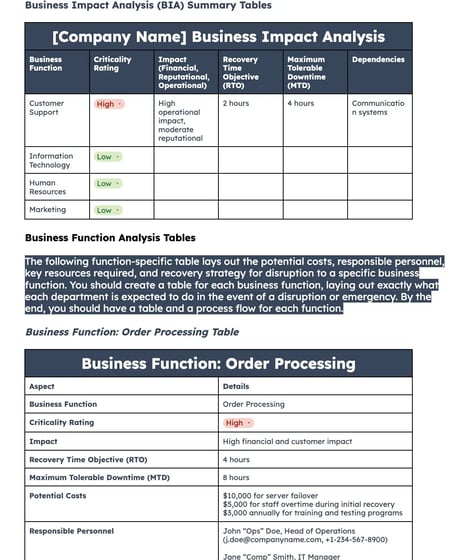
Well-handled crises not only resolve the issue but also strengthen customer trust.
- Stay calm under pressure. Reps should be trained to de-escalate tense situations rather than reacting emotionally.
- Focus on solutions. Customers don’t want excuses; they want to know what’s being done to fix the issue. Proactive problem-solving is key.
Try These Training Exercises:
- Conduct mock calls where reps practice handling angry customers, focusing on keeping the conversation productive.
- Teach the LAST method (Listen, Acknowledge, Solve, Thank) as a structured approach to navigating difficult interactions.
6. Team camaraderie and resilience
Customer service can be mentally draining, and burnout is real. A strong, supportive team culture improves performance, morale, and retention. When reps feel supported by their team, they handle difficult customer interactions more effectively.
Yes, it can be your occasional pizza party, but I’ve personally liked sending updates to the entire organization as to what’s going on in customer service. I’ve found that a collaborative and transparent, cross-departmental work environment can really enhance this level of camaraderie and support.
Try These Training Exercises:
- Encourage meditation apps like to help manage stress. Even five-minute mindfulness exercises can reset a tough day.
- Organize team outings or virtual team-building games to strengthen relationships and create a positive work environment. Just make sure they’re fun and engaging, else they’ll feel forced.
- Use leaderboards or friendly competition to boost motivation and celebrate top performers in ways that encourage growth rather than unwanted pressure. Taking a pulse from the team on this approach helps ensure it's motivating rather than stressful.
7. Customer advocacy
Satisfied customers can become brand advocates if reps go the extra mile. Customer service, while surely about fixing problems, is also about building long-term relationships that turn customers into promoters of your brand.
- Use positive, team-oriented language. Instead of “I can’t do that,” say “Let’s see what we can do together.” Small phrasing shifts create a more collaborative experience.
- Encourage feedback. Collect regularly and use it to improve service and refine customer service training. Customers feel valued when they see their feedback in action.
Establishing clear customer service standards helps ensure every team member knows what’s expected and can consistently deliver experiences that turn customers into advocates.
Try These Training Exercises:
- Create a “Say This, Not That” guide to refine how reps communicate, ensuring they align with the company’s customer-first approach.
- Set up gamified challenges to reward reps who go above and beyond to turn satisfied customers into brand advocates.
8. Conflict resolution skills
Handling customer complaints is part of the job, and reps need to stay calm under pressure. Conflict resolution skills prevent issues from escalating and ensure customers feel heard and respected.
- Acknowledge the frustration. Even if a rep can’t provide the solution the customer wants, validating their feelings can de-escalate tension.
- Stay professional. Heated conversations can be challenging, but it’s crucial for reps to remain calm and not take things personally.
Try These Training Exercises:
- Teach your team to use active listening and “I” statements to shift conversations toward solutions rather than arguments.
- Have reps practice resolving conflicts without placing blame, focusing instead on finding a mutually beneficial resolution.
The best teams continuously refine their skills, adapt to changing customer expectations, and stay up to date on their latest products (or services).
Next, let’s look at some training tips to kickstart your revamped customer service training program.
Customer service training tips
At its core, effective customer service training is about effective tactics that produce tangible results. I’ve worked with several teams to improve training processes, and I’ve seen how effective ongoing training can be in significantly improving service delivery.
Here are practical, no-nonsense tips for planning and conducting a customer service training program.
1. Evaluate training needs
Before beginning training, organizations must first assess their team’s current situation. Building an effective program requires knowing what the team actually needs. A multifaceted method works best for analyzing training needs.
- Surveys. Directly asking team members for input provides excellent insight into areas where they believe they require additional support.
- Interviews. Speaking one-on-one with your team can disclose unique pain concerns and skill shortages that surveys may overlook.
- Observations. Consider how your team interacts with customers. Are there any common issues? Are there any recurring frustrations that can be addressed through training?
Starting with a detailed needs assessment allows organizations to develop a tailored training roadmap that is both relevant and impactful.
2. Set clear objectives
Similar to planning for a new destination, it’s essential to define clear, quantifiable objectives from the beginning to ensure that everyone understands the desired outcome.
For example, training goals may focus on improving:
- Response time
- Problem-solving ability
- Upselling or cross-selling skills
- Empathy and emotional intelligence
Each goal should be specific and measurable.
For example, a goal might be: “Reduce customer complaint escalation rates by 20% in the next six months.” This makes it clear what success looks like for both your team and the customers they serve.
3. Choose the right training methods
Using a range of training modalities is critical to maintaining engagement and effectiveness. This is what I recommend:
- Online courses. They are flexible and appropriate for both basic and complex studies. Platforms like Udemy and LinkedIn Learning help teams learn new software or communication skills.
- In-person workshops. These are ideal for interactive learning, particularly when you want to stimulate teamwork or go deeply into difficult customer service situations.
- Role-playing exercises. Reps should practice real-world examples. Set up scenarios to help them deal with difficult consumers, increasing their confidence in real-world situations.
- Simulations. Simulation-based training tools that replicate actual customer interactions offer hands-on experience with low risk.
- On-the-job training. Allow your team to learn via experience, with mentors or senior representatives providing assistance and guidance where needed.
The goal is to develop a dynamic training environment that caters to various learning styles — visual, auditory, and even kinesthetic — while maintaining team engagement and investment.
4. Provide ongoing support
Customer service training cannot be a one-time affair. As mentioned throughout this guide, ongoing assistance is the secret sauce that keeps the team going. Here’s a simple recipe I use to keep training current and relevant:
- Regular check-ins. Bi-weekly or monthly check-ins allow teams to review progress, ask questions, and clarify any challenges they’ve experienced in the field.
- Feedback loops. Training is a continuous process. Regularly request input from the team to identify areas where they need additional resources or guidance.
- Resource libraries. Create a library of training assets, like articles, videos, FAQs, or even scripts, for team members to use as needed. This becomes a live resource that allows them to constantly expand their knowledge.
- Embedded Workflow Support. Use a to provide real-time, in-app guidance and process reinforcement for support reps. With contextual walkthroughs, tooltips, and self-help widgets embedded directly into your support software, reps get on-the-job training in the flow of work — reducing ramp-up time and minimizing errors.
Training should be a continual journey rather than a final goal. Ongoing support ensures that customer service representatives continually develop and adjust to their customers’ needs.
5. Measure and evaluate
Here’s where the rubber hits the road. To ensure efforts succeed, organizations must track progress. Data and analytics assess the efficacy of training programs. Here's how:
- Customer satisfaction scores. Monitor how customers evaluate their interactions with reps. If the training is effective, organizations should notice an improvement in these results.
- Employee performance metrics. Use ticket systems to monitor key performance indicators, including first-response time, resolution time, and the number of resolved tickets. To assess improvement, compare the results before and after training.
- Team feedback. Remember to check in with your team. How comfortable are they with the abilities they’ve learned? Do they feel more prepared to handle customer interactions? This input might help identify training shortages or new areas for improvement.
Scheduling regular evaluation intervals, such as quarterly evaluations, helps keep training goals on track. And if something’s not working? It’s an opportunity to adjust the approach to make it even more effective.
Free customer service training materials
A lot goes into customer service training, and it can be a daunting process to manage alone. Thankfully, there are plenty of customer service training materials available online.
Below are recommended resources for customer service teams.
1. Customer service training manual [ ]
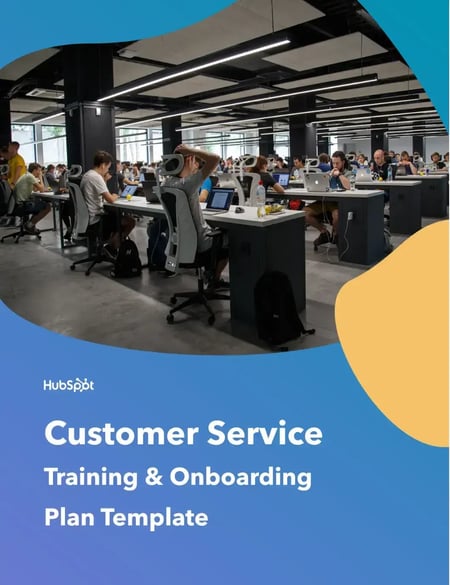
Aligning teams with universal training documentation is an assured way to inform new hires of their roles, goals, and expectations.
Use to build a customizable business manual.
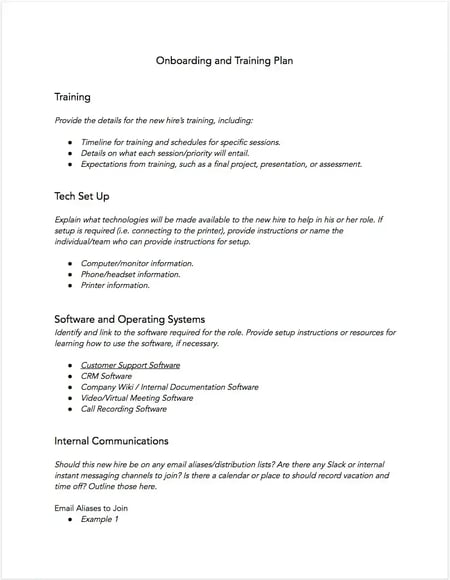
In this template, organizations get:
- New hire guide. This part of the template allows you to welcome your new customer service reps and give them an overview of the team. Customer service reps are one of the roles with the , so you want to get them started on the right foot.
- Training timeline. This short, flexible section allows you to give ballpark dates for when certain parts of the training will start and end.
- Tech and software setup. Your reps will need to leverage many tools to get their job done efficiently, but you don’t want them to feel overwhelmed. Use this section to outline where they can get a monitor and headset, which and CRM they’ll use, and how to access and set up each tool.
- People to meet. Remember that camaraderie discussed earlier? Strive to foster that, starting from the training period. Giving your reps a list of people to schedule “coffee chats” with can help them get acquainted with the team more quickly. This is especially important if your customer service team is remote.
- 100-day goals. A strong 100-day or 30-60-90-day plan can get your rep off to a strong start and provide guidelines for how they should perform by a specific date. Reassure your reps that they’ll be “ramped up” to full performance standards by outlining what will be expected of them over time.
- Feedback and reviews. Providing feedback as you train your customer service rep is essential for ensuring their success. This section lets you set dates for checking in with your new rep. These meetings don’t have to be formal, but you should know how to conduct a performance appraisal before starting one.
- Interacting with customers. In this section of the manual template, you can provide a few guidelines for fostering a positive customer service tone during the call. You might also link to your customer service scripts and/or role-play scenarios.
- Escalation framework. A top-performing customer service rep knows when to escalate a problem to someone who can deal with it more effectively. This part of the manual gives your new reps guidance on when to do just that.
- Product FAQ. While you should hold a dedicated product training session during your new-hire onboarding process, you should still include an easy-to-reference FAQ section about your product.
- Resources for success. Leave the customer service rep with a list of tools to help them get up to speed on the ins and outs of their role. You can include logistical information here and also inspirational materials, such as a video from the CEO.
2. Customer service training courses
Online customer service training courses teaching vital skills can be a great addition to an organization’s training program. As self-led seminars, employees take ownership of their training and are exposed to skills and competencies outside the organization.
Below is a short list of some free for teams.
Course recommendation: by HubSpot
This short course from HubSpot will acquaint your reps with key competencies and tactics for delivering support customers will praise you for.
It’s a quick course — less than an hour long — making it an ideal and convenient addition to busy training schedules. You could even get your entire customer service team in one room and play it for them at once.
The course is split into three sections:
- Understanding customer support competencies. Reps will learn the basic skills they need to deliver excellent support and how to continually improve them.
- Support case framework. Reps will learn how to structure their approach to each case to resolve customer issues more effectively.
- Managing your time as a customer support rep. Time management is the lifeblood of a strong workflow. In this short lesson, reps will learn how to increase their productivity.
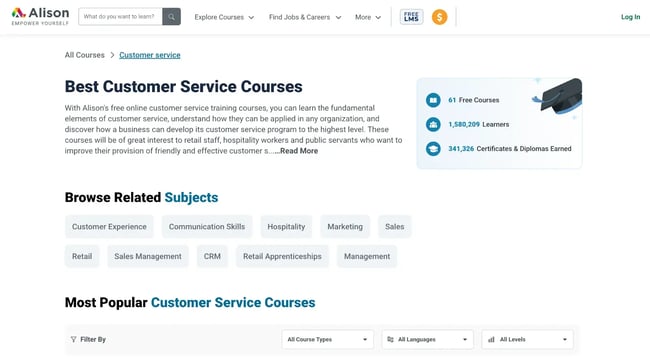
Course recommendation: by Alison
Alison is a digital education hub that offers free courses and paid certifications on various skills. Its customer service training course is geared towards beginners in the field, so it’s a perfect place to start.
This course will give your employees an understanding of essential customer service factors and help them deliver a customer-friendly approach that best meets your business needs.
They‘ll also learn the benefits of providing excellent service and cover a few do’s and don’ts when dealing with customers.
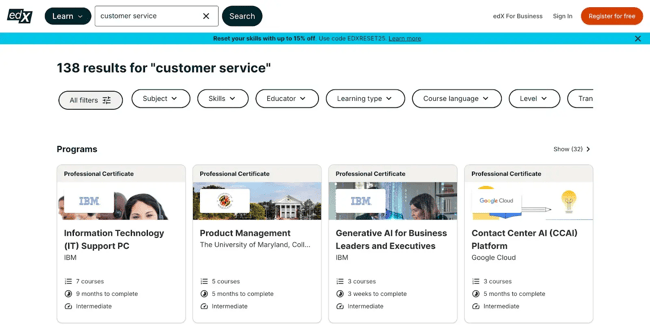
Course recommendation: by edX
Like Alison, edX is another fantastic online learning platform that can be a valuable asset for customer service training. It offers a wide variety of courses on topics such as communication, conflict resolution, and customer experience management — all of which are essential skills for customer service representatives.
Many of the courses on edX are created by leading universities and institutions worldwide, ensuring high-quality content and instruction. The platform also offers self-paced learning, allowing your team to learn at their own pace and convenience.
Course recommendation: by GoSkills
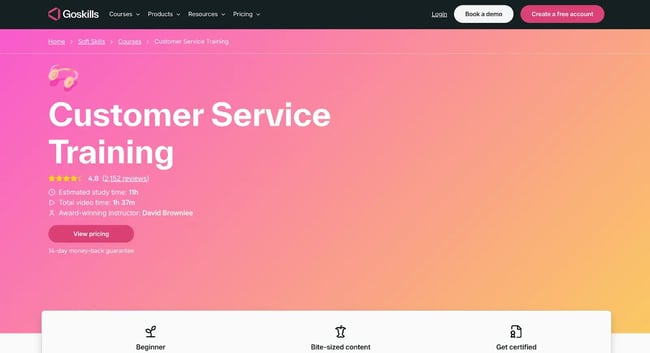
GoSkills, an innovative online learning platform, is dedicated to helping organizations and individuals worldwide acquire essential business skills.
Their customer service training, led by the dynamic David Brownlee, goes beyond generic courses. It offers engaging lessons such as “Psychology of Your Company,” “Verbal and Nonverbal Cues,” and “Anticipate Customer Needs,” among others.
Your team can access this invaluable course through a free trial or via your organization‘s GoSkills Courses or GoSkills Platinum plan. It’s also important to note that all GoSkills courses are CPD-accredited, ensuring the highest standard of professional development.
Course recommendation: by LinkedIn Learning
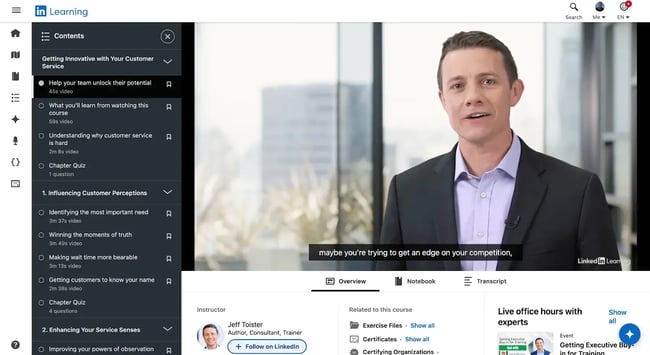
LinkedIn Learning is an award-winning online education platform run by the most popular professional social media platform. It primarily teaches digital and business-related skills.
The Innovative Customer Service Techniques course is created and presented by customer service expert and consists of a short 45-minute video.
Employees can access the course through a seven-day free trial or join LinkedIn Learning’s paid membership.
Course recommendation: by Treehouse
Treehouse is another online course library, but the program requires a paid membership. HubSpot uses Treehouse for our own customer support and service training. Treehouse offers courses on soft skills and others that may contribute to overall customer service education.
3. Customer service training games
Using games and activities can make customer service training much more fun. Whether they require materials like a whiteboard or simply involve your team, games are a way to teach valuable skills while encouraging teamwork and collaboration between your employees.
Check out these free, quick-and-easy games to play during customer support and service training:
- by UserLike
- by BusinessTrainingWorks
4. Customer service training videos
Sometimes, it‘s valuable to incorporate outside insight or perspective during customer service training. Best of all, it’s not something you have to do on your own.
Videos from thought leaders and industry experts are powerful additions to your customer service training programs.
Here’s an example of a well-made, valuable customer service training video (also, check out this post for more videos). In this 12-minute video, business coach and consultant explains the essentials of customer service in friendly, easy-to-understand language. With over 4,000 likes, the value of this video speaks for itself.
How to measure customer service training effectiveness
Measuring training effectiveness is about understanding whether your investment is paying off in better customer experiences, stronger team performance, and improved business outcomes.
Here are the key metrics to track.
Customer satisfaction score (CSAT)
CSAT measures customers’ satisfaction with specific interactions. It’s one of the most direct indicators of whether training is improving the customer experience.
To measure it, send post-interaction surveys asking customers to rate their experience on a scale (typically 1-5 or 1-10). The question is usually straightforward: “How would you rate your experience today?”
Calculate your CSAT score by dividing the number of satisfied customers (those who rated 4-5 on a 5-point scale) by the total number of responses, then multiplying by 100.
What to look for: Track CSAT scores before and after training rollouts. If scores improve by 5-10% within a quarter of implementing new training, that’s a strong signal that the training is working. Compare scores across different team members to identify who might need additional coaching.
First contact resolution (FCR)
FCR tracks the percentage of customer issues resolved in the first interaction, without escalations or follow-ups. It’s a clear indicator of whether reps have the knowledge and skills to solve problems efficiently.
How to measure it: Use your ticketing system or CRM to track how many tickets are closed after the first interaction versus those requiring multiple touches. Calculate FCR by dividing resolved-on-first-contact tickets by total tickets, then multiplying by 100.
What to look for: Industry benchmarks for FCR typically range from 70-75%. After comprehensive training, teams should see FCR rates improve by 10-15%. If FCR isn’t improving, it might indicate gaps in product knowledge training or unclear escalation protocols.
Average handle time (AHT)
AHT measures how long it takes reps to resolve customer issues, including talk time, hold time, and after-call work. While speed isn’t everything, efficient resolution often indicates confident, well-trained reps.
How to measure it: Most call center software and CRMs automatically track this. Calculate AHT by adding total talk time, total hold time, and total after-call work time, then dividing by the number of calls handled.
What to look for: Your goal is efficient resolution without sacrificing quality. After training, AHT might initially increase as reps practice new skills, then decrease as they gain confidence. Look for a 10-20% reduction in AHT over 3-6 months while maintaining or improving CSAT scores.
Employee confidence surveys
Employee confidence surveys measure how prepared and capable reps feel in their roles. Confident employees perform better and stay longer.
How to measure it: Survey your team regularly (monthly or quarterly) with questions like:
- “How confident do you feel handling complex customer issues?” (1-10 scale)
- “Do you feel you have the tools and knowledge to do your job effectively?” (Yes/No/Sometimes)
- “How prepared do you feel after recent training sessions?” (1-10 scale)
What to look for: Confidence scores should improve noticeably after training sessions. If confidence scores are low despite training, it might indicate that the training content doesn’t match real-world scenarios or that ongoing support is lacking.
Net promoter score (NPS)
NPS measures customer loyalty by asking how likely customers are to recommend your company to others. It’s a broader indicator of overall experience, influenced heavily by service quality.
How to measure it: Ask customers: “On a scale of 0-10, how likely are you to recommend us to a friend or colleague?”
Promoters (9-10) minus Detractors (0-6) equals your NPS. The score can range from -100 to +100.
What to look for: NPS typically moves slowly, but consistent training should trend it upward over time. A 5-10 point increase over six months signals strong improvement in the customer experience. Track NPS alongside training initiatives to correlate improvements.
Employee retention rate
High turnover disrupts service quality and increases costs. Well-trained, engaged employees stick around longer.
How to measure it: Calculate retention rate by dividing the number of employees who stayed during a period by the number of employees at the start of that period, then multiplying by 100.
Track separately for employees who completed comprehensive training versus those who didn’t.
What to look for: Contact center employees who are satisfied with their job are four times more likely to stay with their company for at least a year. If retention rates improve by 15-20% after implementing structured training programs, your training is working.
Grow better with effective customer service training
Consumers increasingly view customer service as a critical indicator of how much a company values them. With your customer service team on the front lines of service and retention, they need to be properly trained and equipped to handle any challenge that comes their way.
Implementing effective customer service training and support strategies can lead to higher customer satisfaction and loyalty, ultimately driving your business to new heights.
Editor’s note: This post was originally published in June 2018 and has been updated for comprehensiveness.
.png?)
Free Customer Support Training Template
Train and onboard your new customer support hires with this downloadable template.
- Training Timeline
- People to Meet
- 100 Day Goals
- And More!
Download Free
All fields are required.
Form not available
You're all set!
Click this link to access this resource at any time.
Customer Service