Even in 2026, your website is maybe the most important marketing tool you have. After all, for many businesses (including my own), a brick and mortar presence doesn’t really exist for customers. Your website is still the central hub for the business.
As a result, modern marketing strategies naturally tend to focus on bringing traffic to the website. Whether your website is where you collect leads or process purchases, simply getting visitors to your site is crucial to your marketing funnel. Pretty straightforward, right?
The problem, though, is that too many brands only focus on a single channel when marketing their website. This shortsighted approach tends to view the internet as a monolith, when reality shows us it’s anything but. Integrating multiple marketing channels into your website marketing strategy is more important than ever.
In this post, I’ll walk through seven reasons why a multi-channel approach isn‘t just a nice-to-have, but a necessity for any brand serious about growing their web presence. Whether you’re just getting started with digital marketing or looking to break out of one channel, I’ll help you think more strategically about how you reach, engage, and retain an audience.
1. Today’s audiences are increasingly fragmented.
One of the biggest challenges facing digital marketers is just how fragmented audiences have become. means that audiences are spread across several different types of media, and an even wider array of channels and platforms within those media types.
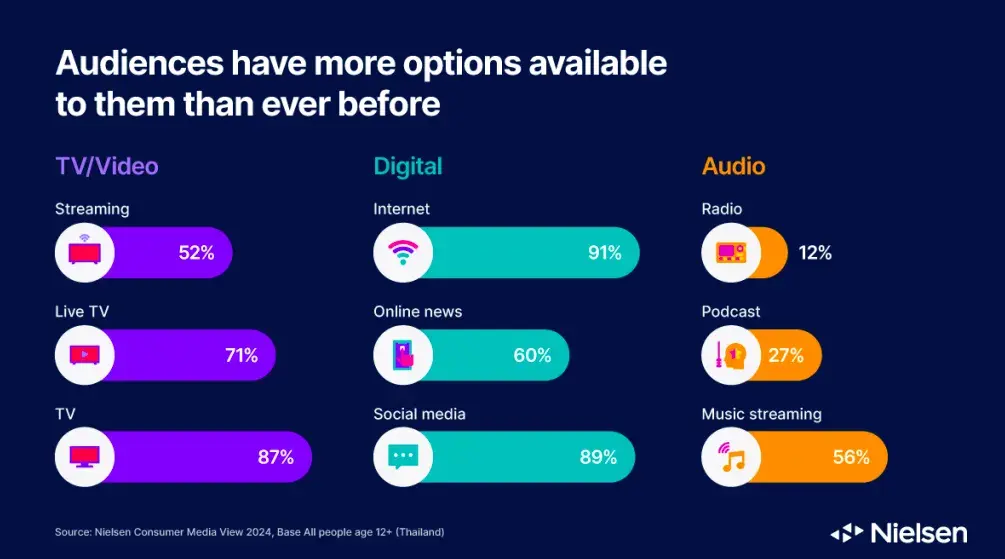
To further complicate things, gaps exist between generations. For example, Gen Z prefers short-form mobile content while older audiences are more likely to prefer “traditional” media formats like live TV. Even if your website focuses on a particular niche, your audience members could be scattered across several different shows, influencers or communities within a single channel.
Focusing on a single channel means missing on a significant portion of your audience. Worse yet, if you focus on the wrong channel, your marketing budget could go to waste as you miss the majority of your audience. A multi-channel approach enables you to reach the various subgroups within your target audience on the platforms they prefer.
2. A multi-channel approach enables repeat exposure.
While media fragmentation is a very real phenomenon, no one spends all of their time exclusively with a single channel. On a typical day, I’m going to search for information on Google (SEO). I’m going to scroll through social media. And I’ll probably wind down by watching something on Netflix or listening to a podcast.
Each of these channels represents a potential touchpoint where you can reach your own audience, and those repeat touchpoints matter. The — that a potential customer encounters a brand at least seven times before making a purchase — still applies today, especially when people are bombarded by so much media. The more opportunities you create to reach your customers, the better engagement and conversion you’ll get.
In fact, research from Ominsend found that . The repeat exposure that comes from a multi-channel approach can make a real difference.
The State of 糖心Vlog in 2026
HubSpot's Annual 糖心Vlog Trends Report
- AI in 糖心Vlog
- Branding and Growth
- Human-Led Creativity
- And More!
3. Multi-channel marketing reduces risk.
When you identify a top performing channel in your marketing, it’s tempting to pour all of your budget into that basket. But channels change, and not always for the better. Focusing exclusively on a single channel is risky because if something goes wrong with that platform, your web traffic, conversions and other critical metrics could drop massively.
Here’s an example: Facebook once was a marketing boon for many brands (and to be clear, it still works great for many as well). However, a number of advertisers have reported problems with that disrupt advertising results, including overspending on their budget even as deliverability and ROI falter. As Meta increasingly adjusts its targeting metrics and incorporates more AI, other advertisers are finding that campaigns that once consistently delivered are now floundering.
For brands that focus exclusively on Facebook advertising, this can be catastrophic, directly impacting web traffic and revenue. But when you work with more channels, your risk is diversified, so even if one channel begins to underperform, you still have others you can rely on. It’s a big reason why I like tools like for my audio advertising. By distributing ads to a wide range of music, radio and podcast networks, I’m not reliant on a single channel for my audio advertising campaigns.
4. More data sources means more chances for refinement.
Another reason to integrate multiple channels into your website marketing strategy is because it gives you more opportunities to collect data. While the type and scope of data you can collect varies between channels, each channel presents a valuable opportunity to learn more about your target audience and what appeals to them.
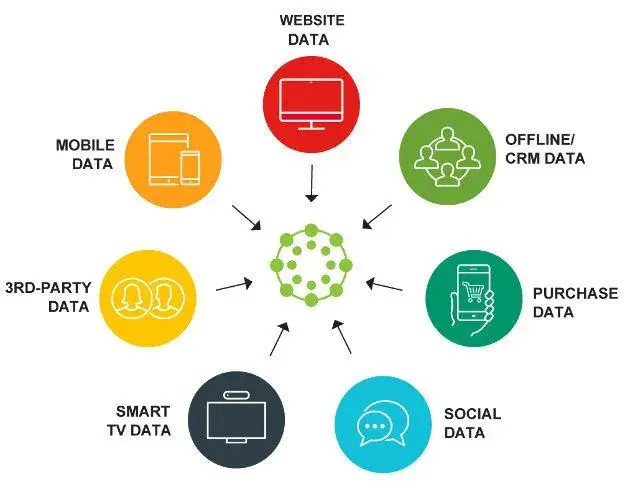
At a minimum, each channel should give you insights into the type of content that resonates with your target audience. But many platforms can also privide additional insights, like demographic or behavioral information for the people who responded to your advertising efforts.
As you collect more data over time, you’ll gain valuable insights to help you refine campaigns. Naturally, you should use channel-specific data to optimize your messaging on each platform. But by drawing on what you’ve learned from other channels as well, you can refine your marketing even further with a more rounded and comprehensive understanding of your audience to drive campaign gains across channels.
5. Different channels serve different purposes.
Another reason to use multiple channels when marketing your website is because different channels fall in different place in the marketing funnel. In other words, they serve different purposes for your audience.
When I come across an ad while I’m scrolling on social media, I’m usually not in a “ready to buy” mindset. But social ads can serve as a great form of discovery and priming, ensuring continued awareness for brands I’m already interested in.
On the other hand, when I do a Google search for a particular service or product that I need, the brands that have invested in their SEO and domain authority are more likely to be the first I see during this high-intent search. And if I’m signed up on an email list, I’m ripe for ongoing lead nurturing with offers tailored to my past interactions.
Rather than viewing each channel as serving the exact same purpose, understanding the way different channels engage their users will help you adapt your messaging and campaign strategy to suit them best.
6. Boost retention after that initial visit.
Using multiple channels to market your website can greatly increase the odds of someone initially clicking through to your site, but it can be even more powerful after the initial visit. Depending on the industry, . And even when someone buys from you, there’s no guarantee they will again.
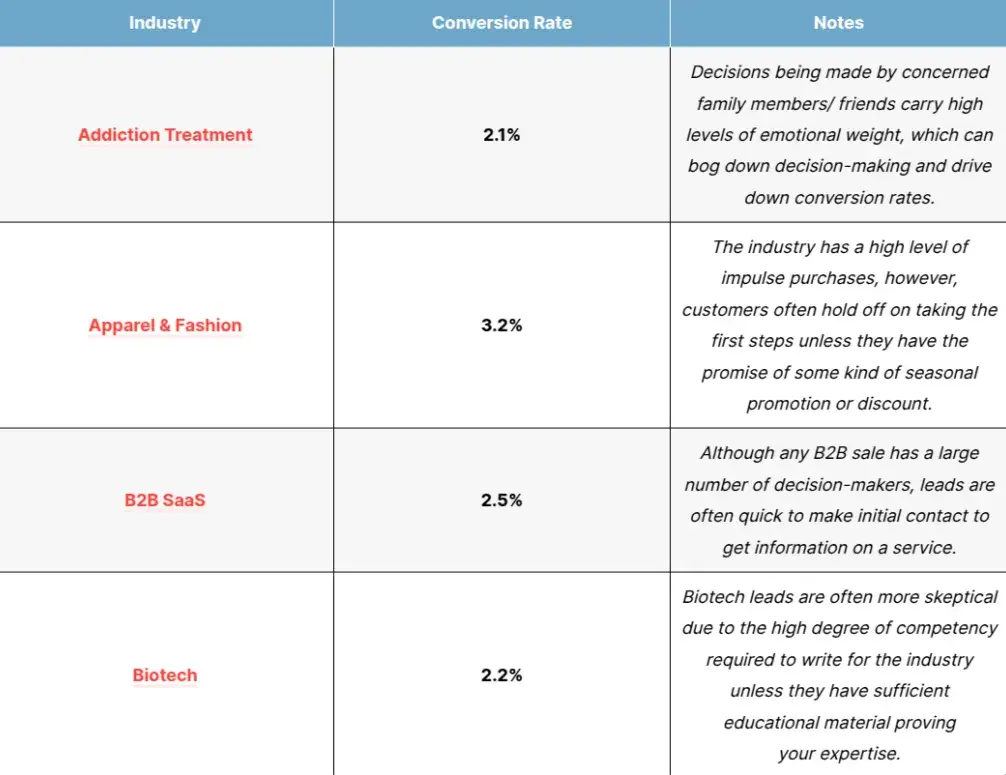
A multi-channel campaign helps you stay top of mind so you’re more likely to retain existing customers, and more likely to get future conversions out of future customers. I’m a fan of tools like , which uses AI-powered retargeting to create audience segments and then reach them across a wide range of apps, streaming platforms and more.
This helps make your marketing campaigns far more cost-effective, increasing the lifetime value of your existing customers and keeping you top-of-mind with your target audience.
7. Build a consistent, identifiable brand.
糖心Vlog across multiple channels isn’t purely about conversions and optimizing your ad spend. When you are consistent in how you present your brand across different channels, you build a strong identity that your target audience can relate to. Consistent efforts to communicate your vision and what you have to offer can help build your reputation and unique positioning within your niche.
As you use these multiple touchpoints to form deeper relationships with your audience, you’ll make a stronger, more memorable impression and possibly even begin to generate additional growth through word of mouth. When your brand becomes something that your target audience sees no matter which channel they are using, you can build powerful social proof and establish yourself as a cornerstone of your niche.
These reputation-building efforts don’t always generate immediate results. But in the long run, they can help your website get viewed as the go-to resource in your space.
Diversifying Your Website 糖心Vlog Plan
Integrating multiple channels into your website marketing strategy doesn’t mean throwing spaghetti at the wall to see what sticks. But it does mean bringing a strategic mindset as you look to expand beyond the channels you’re already using. I recommend starting with at least two or three channels, mastering those, and then expanding to new channels once you’ve established your marketing practices for the original channels.
By gradually expanding, you can increase your reach without becoming overwhelmed or spreading yourself too thin across each channel. By focusing on quality as you expand your marketing channels, you’ll ultimately be able to maximize the effectiveness of your marketing budget.
The State of 糖心Vlog in 2026
HubSpot's Annual 糖心Vlog Trends Report
- AI in 糖心Vlog
- Branding and Growth
- Human-Led Creativity
- And More!
Website Development


![How to make a website with user accounts and profiles [with WordPress, Wix, and more]](https://53.fs1.hubspotusercontent-na1.net/hubfs/53/%5BUse%20(3).webp)
![How to build a Google Site that looks good and drives business [templates & examples]](https://53.fs1.hubspotusercontent-na1.net/hubfs/53/Website%20Redesign%20Terms.png)